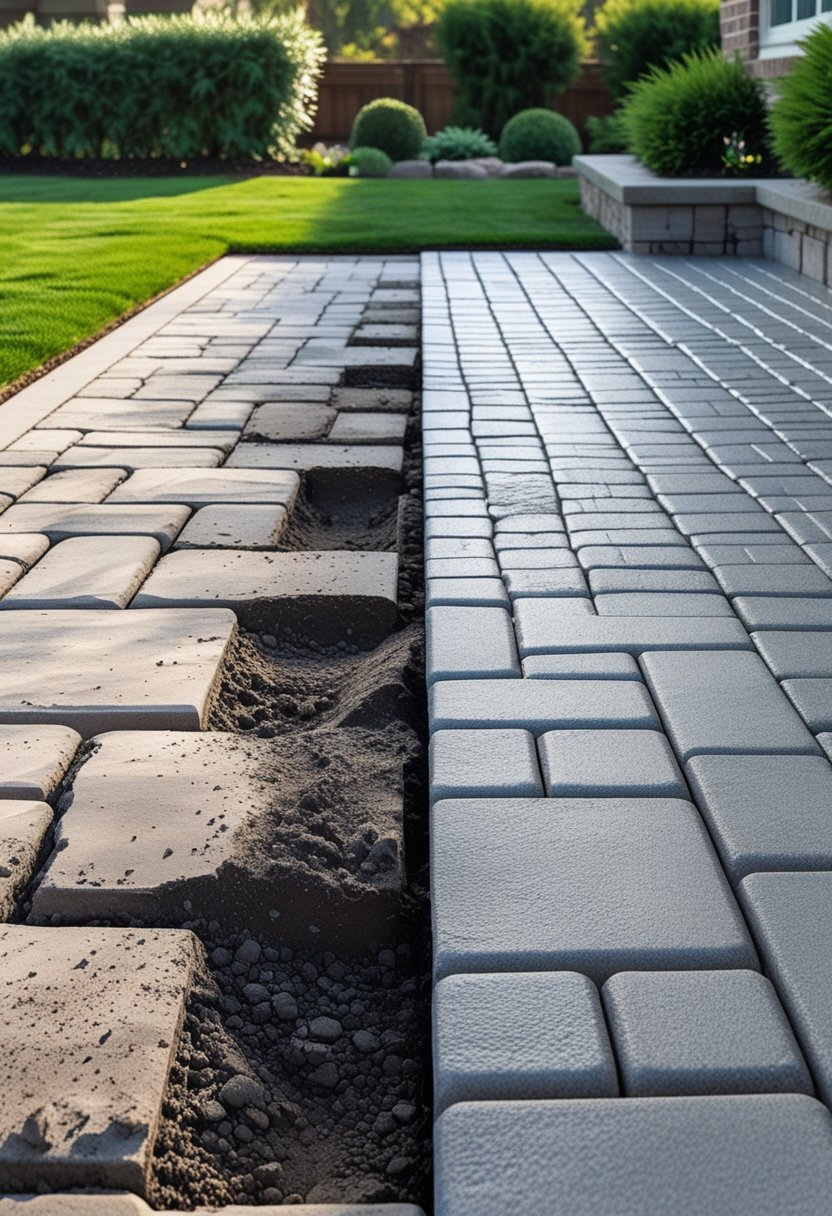
Let’s be honest—leveling ground for pavers sounds like one of those DIY projects that can spiral into frustration fast. Uneven dirt, sore arms, and that constant worry of “Did I do this right?” can make anyone hesitate. I’ve been there, standing in the yard, staring at a slope, wondering if I should just call a professional.
But here’s the truth: once you understand the process, How to Level Ground for Pavers Without Stress | Simple DIY Method becomes exactly what it promises—simple, manageable, and totally doable for regular homeowners. This guide walks you through everything step by step, using plain language, realistic tips, and zero unnecessary overwhelm.
Why Proper Ground Leveling for Pavers Is So Important
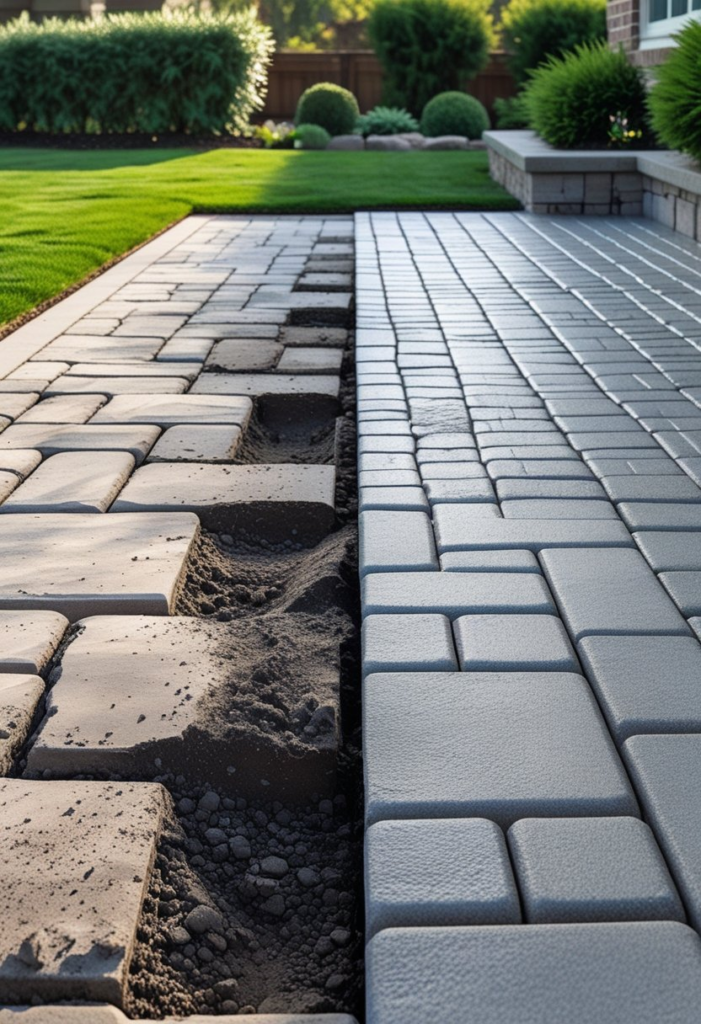
Before we grab tools, let’s talk about why leveling matters. Pavers don’t forgive shortcuts. If the base isn’t solid and level, problems show up quickly.
Poor leveling can cause:
- Sunken or tilted pavers
- Water pooling after rain
- Cracked pavers over time
- A patio or walkway that just feels unstable
If you’re already improving your home, this outdoor upgrade pairs nicely with other practical projects like how to deep clean wood floors or make laminate floors shine, giving your space a polished look inside and out.
What You’ll Need
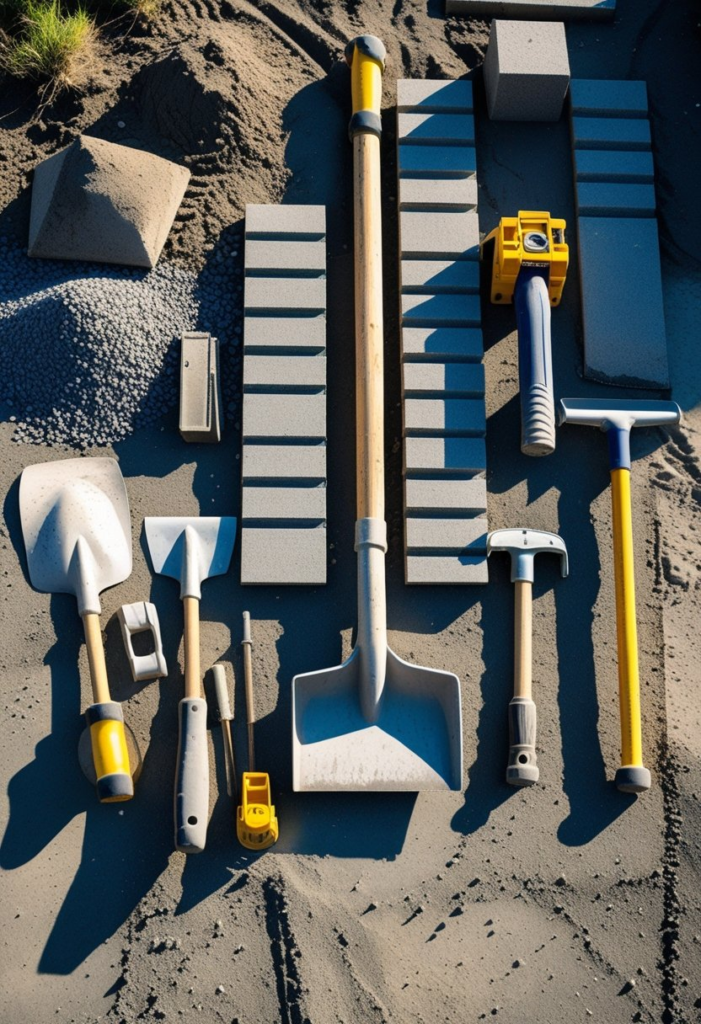
You don’t need fancy equipment or professional-grade tools. Most items are easy to find and affordable.
Basic tools
- Shovel
- Rake
- Measuring tape
- Carpenter’s level
- Hand tamper or plate compactor
- Rubber mallet
Materials
- Crushed gravel (paver base)
- Leveling sand
- Landscape fabric
- Edge restraints (recommended)
How to Level Ground for Pavers Without Stress | Simple DIY Method
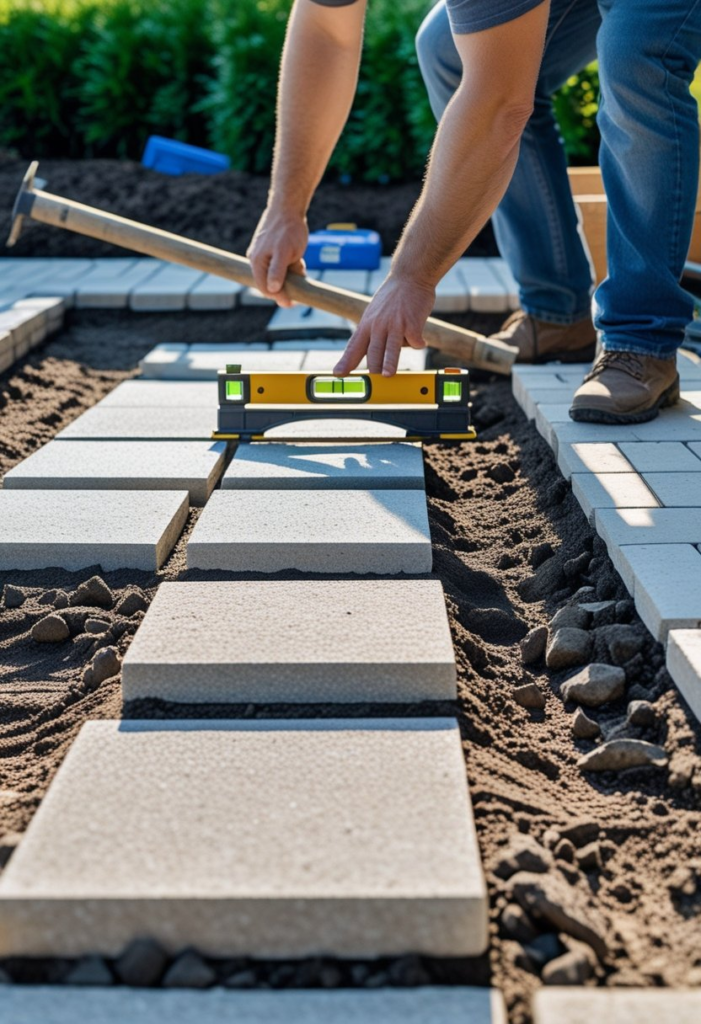
Let’s break this into clear, manageable steps. Take your time. This isn’t a race.
Step 1: Plan and Measure Your Paver Area
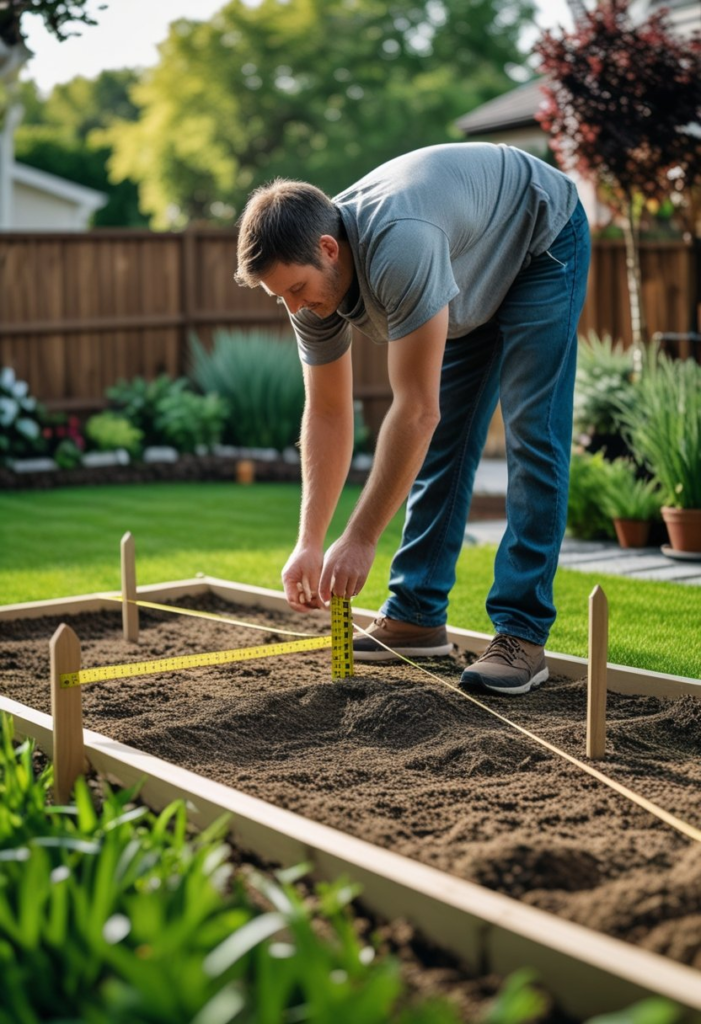
Start by marking the area where your pavers will go. Use stakes and string, chalk, or spray paint to outline the shape.
Things to consider
- The final size and layout
- Where water should drain
- The total depth needed
Most projects need 6–8 inches of total depth, including gravel, sand, and pavers.
Step 2: Remove Grass and Topsoil
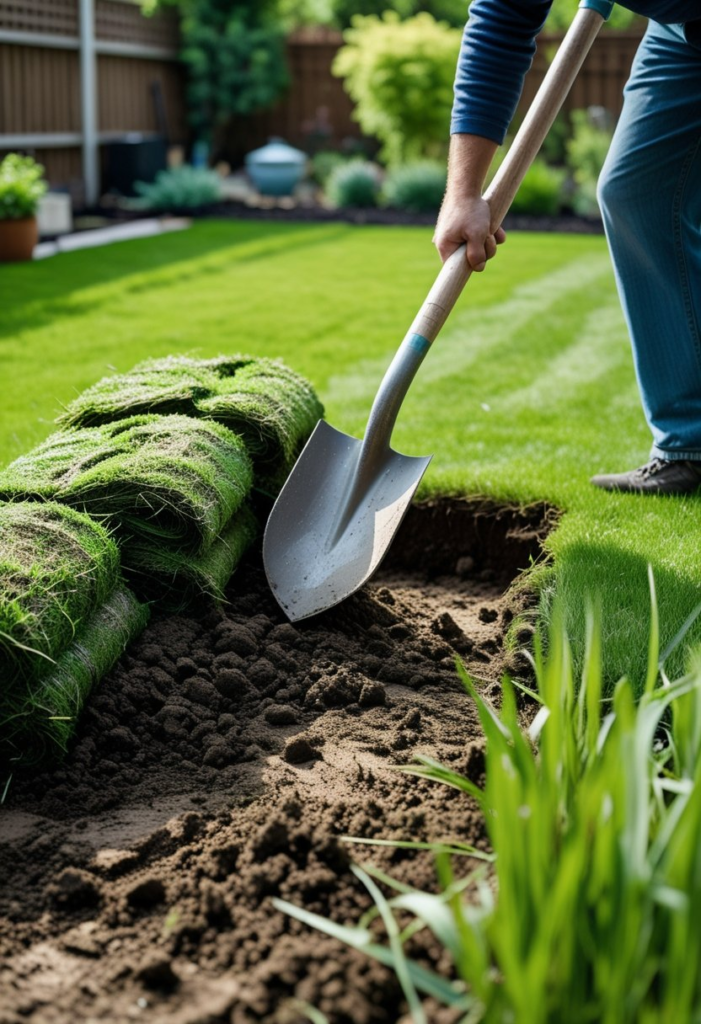
Dig down to the required depth and remove all grass, roots, and loose soil. This part takes effort, but it’s crucial.
Why this step matters
- Organic material breaks down over time
- Grass and roots cause sinking
- A clean base prevents future movement
Take breaks, hydrate, and don’t rush. This is the foundation of everything that follows.
Step 3: Install Landscape Fabric
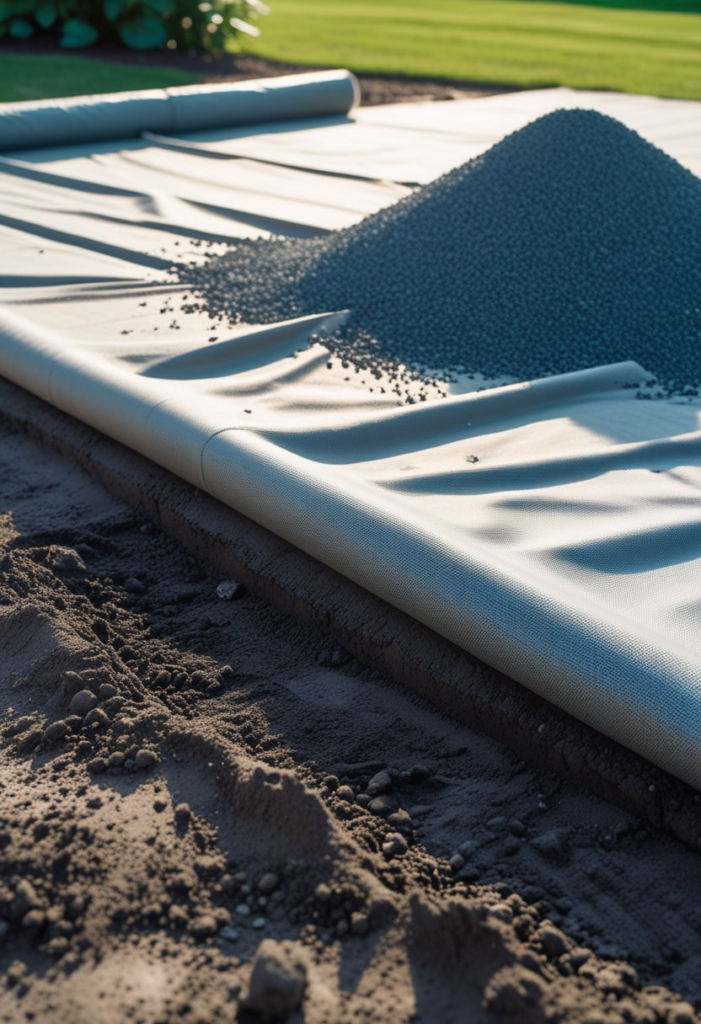
While optional, landscape fabric is highly recommended.
It helps:
- Block weeds
- Keep soil from mixing with gravel
- Improve long-term stability
Step 4: Add and Compact the Gravel Base
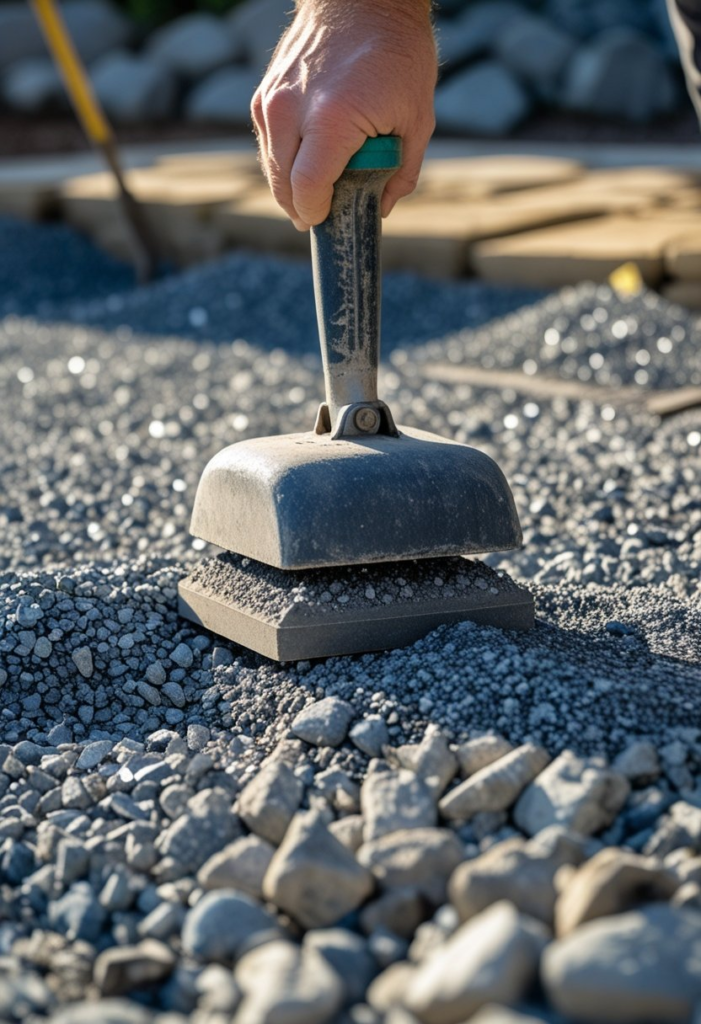
This is the most important step in the entire process.
Spread crushed gravel in 2-inch layers, compacting each layer before adding more.
Key tips
- Compact thoroughly after each layer
- Check level often
- Maintain a slight slope for drainage
The standard slope is about ⅛ inch per foot, directing water away from buildings.
Skipping proper compaction here is like skipping sealing after how to remove rust from metal—the issue comes back later.
Step 5: Level the Sand Layer
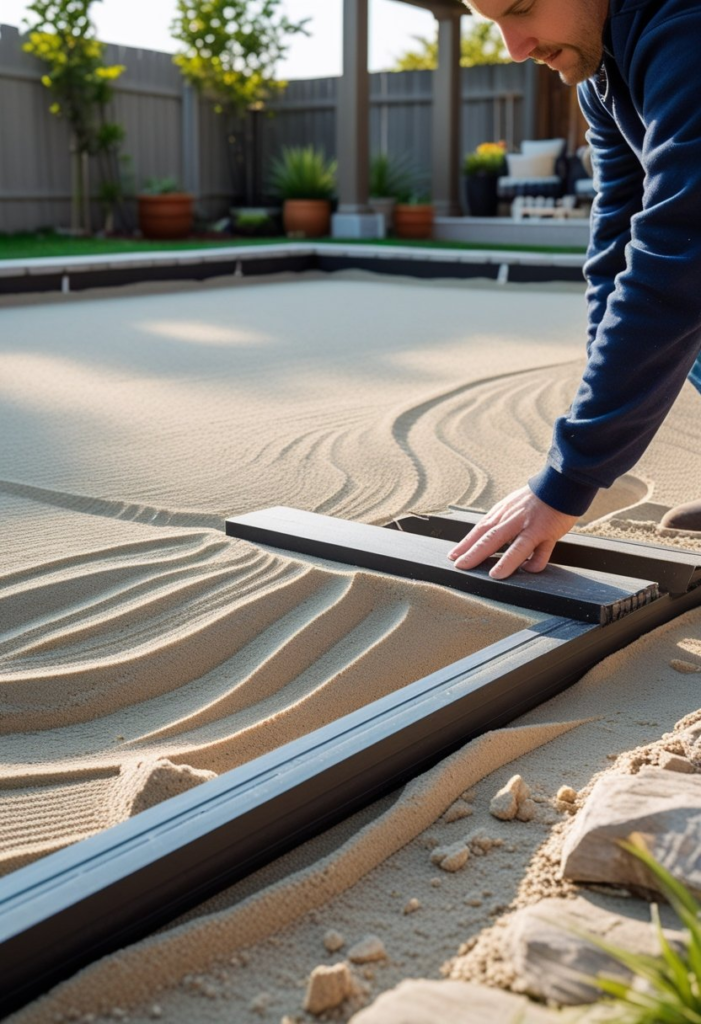
Once the gravel base is solid and level, spread about 1 inch of coarse sand over the top.
How to get it right
- Use a straight board to screed the sand
- Check level from multiple angles
- Don’t compact the sand
This layer fine-tunes the surface. Be patient—precision here makes laying pavers much easier.
Step 6: Lay the Pavers Carefully
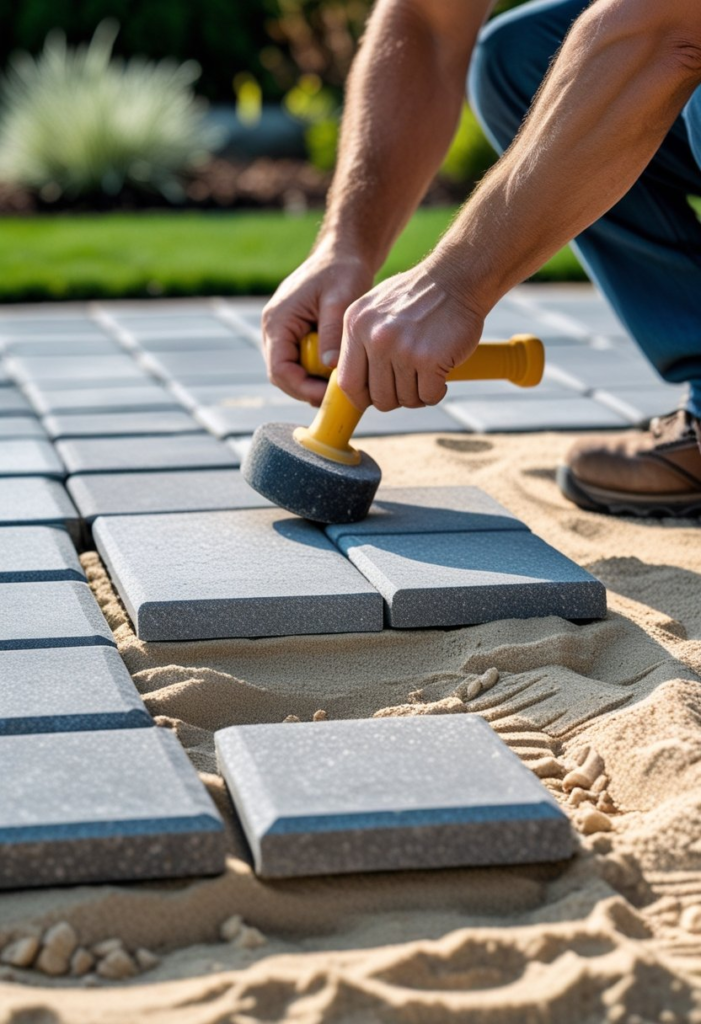
Start laying pavers from one corner and work outward. Place each paver gently into the sand—don’t slide it.
Best practices
- Keep spacing consistent
- Use a rubber mallet for adjustments
- Check level every few rows
This is the most satisfying part. You’ll see the project come together fast.
Step 7: Secure the Edges and Lock Everything In
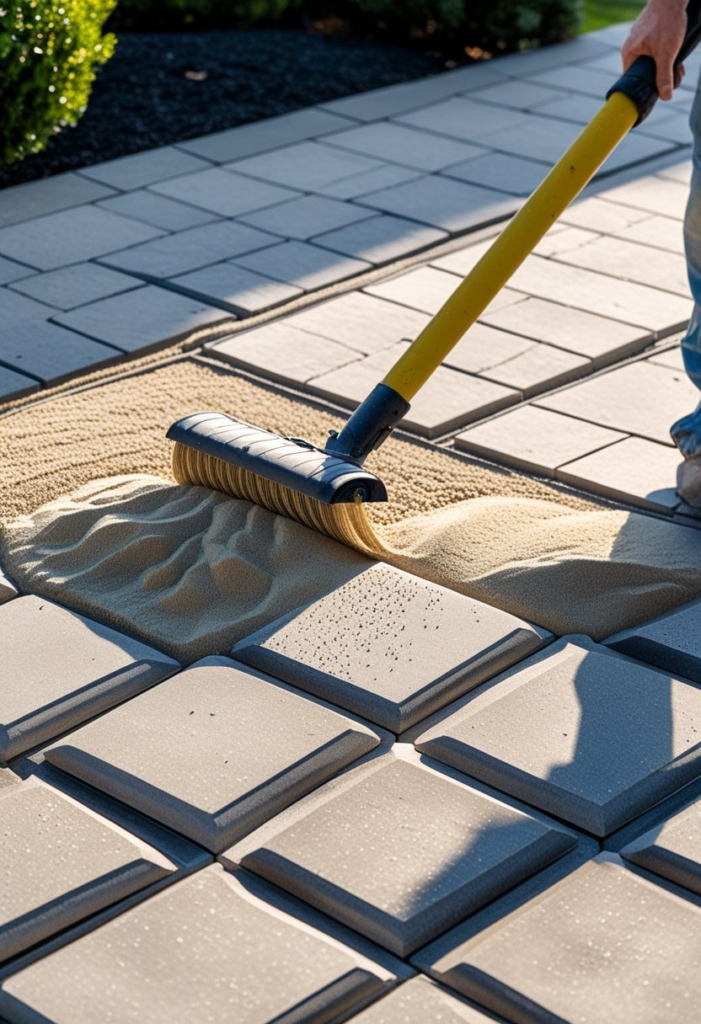
Once all pavers are in place, it’s time to finish strong.
Final steps
- Install edge restraints
- Sweep sand into the joints
- Compact lightly one final time
These steps prevent shifting and help your pavers stay in place for years.
This final lock-in process is similar to finishing touches in how to deep clean your mattress—it ensures your work lasts.
Mistakes to avoid
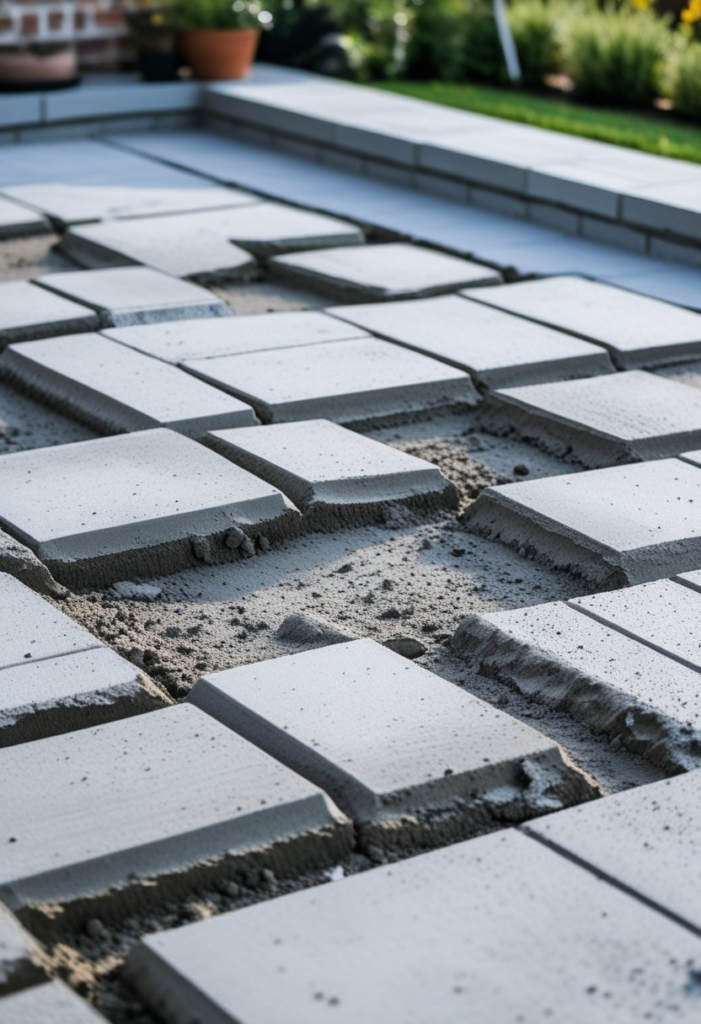
- Skipping gravel compaction
- Using fine sand instead of coarse sand
- Forgetting drainage slope
- Rushing the base preparation
Most paver problems trace back to these errors. Slow and steady wins here.
How Long Does It Take to Level Ground for Pavers?
For most DIY projects:
- Small walkway or patio: 1–2 days
- Medium patio: Weekend project
- Large areas: Several weekends
Work in stages if needed. DIY doesn’t mean exhausting yourself.
Maintenance Tips to Keep Pavers Level
Once installed, pavers are low maintenance—but not zero maintenance.
Simple upkeep
- Refill joint sand when needed
- Rinse dirt and debris regularly
- Address minor shifting early
Final Thoughts
Learning How to Level Ground for Pavers Without Stress | Simple DIY Method isn’t about being perfect. It’s about being prepared, patient, and consistent. When you follow the right steps, this project becomes surprisingly rewarding.
Take your time, trust the process, and remember—every solid patio or walkway starts with a well-leveled base. Once you step back and admire your finished work, you’ll realize you didn’t just improve your yard—you built real DIY confidence.