
Facial moles are extremely common. Some people are born with them, while others develop moles over time due to sun exposure, hormonal changes, or genetics. While most moles are harmless, many people look for safe and effective ways to remove or lighten them for cosmetic reasons.
In this in-depth guide, you’ll learn how to get rid of moles on your face using medical options, natural remedies, and proper skincare practices. We’ll also discuss when not to attempt removal at home and how to care for your skin afterward to avoid scarring.
What Are Facial Moles and Why Do They Appear?
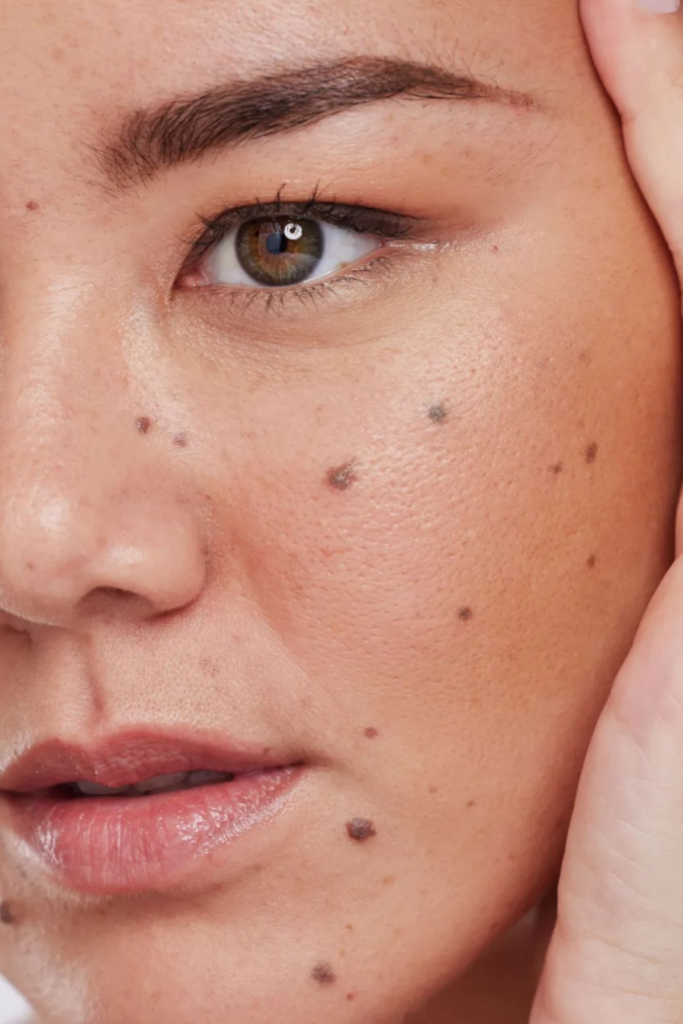
Moles (also called nevi) are clusters of pigmented skin cells. They can be flat or raised, light brown to dark black, and smooth or rough in texture.
Common causes of facial moles include:
- Genetics (family history)
- Sun exposure and UV damage
- Hormonal changes (puberty, pregnancy)
- Aging
- Skin injuries or irritation
Most facial moles are benign, but sudden changes in size, color, or shape should always be checked by a dermatologist.
Types of Moles on the Face
Understanding the type of mole you have helps determine the safest removal option.
Common types include:
- Flat moles: Usually brown or black and sit flush with the skin
- Raised moles: Slightly elevated and flesh-colored or dark
- Congenital moles: Present from birth
- Acquired moles: Develop later in life
Raised and non-pigmented moles are sometimes easier to remove than deeply pigmented ones.
How to Get Rid of Moles on Your Face: Medical Treatments
If you want fast, reliable, and safe results, medical treatments are the most effective option.
1. Laser Removal
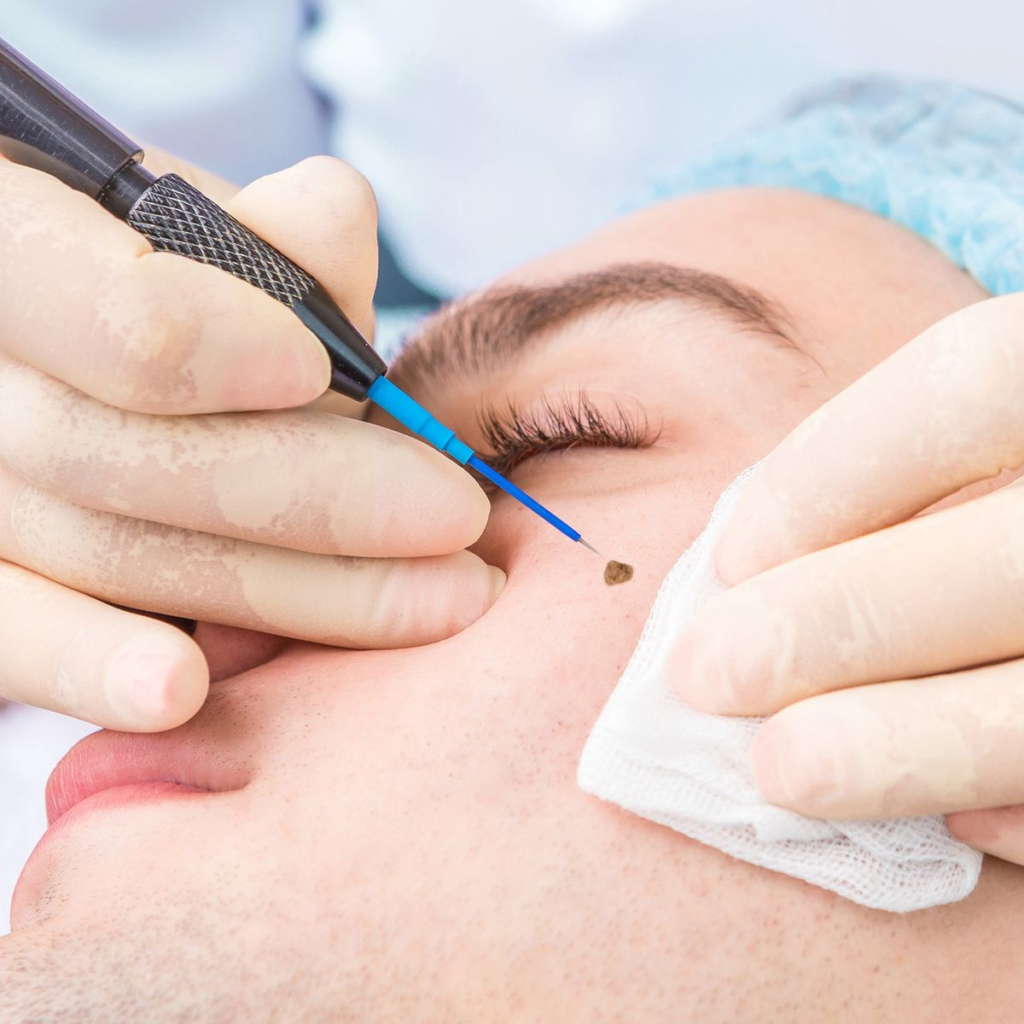
Laser treatment breaks down pigment without cutting the skin. It’s ideal for flat, dark moles and typically requires multiple sessions.
Pros:
- Minimal scarring
- Quick recovery
- Precise targeting
Cons:
- Not suitable for all mole types
- Can be expensive
2. Surgical Excision
A dermatologist numbs the area and removes the mole using a scalpel.
Pros:
- Permanent removal
- Best for raised or suspicious moles
Cons:
- Small risk of scarring
This method is often used when a mole needs testing for medical reasons.
3. Shave Removal
The mole is shaved flat with the skin surface.
Pros:
- Quick procedure
- Minimal downtime
Cons:
- Not ideal for deep moles
- The mole may grow back
How to Get Rid of Moles on Your Face Naturally
Many people prefer natural remedies for mild, non-cancerous moles. While results vary, these methods may help fade or shrink small moles over time.
⚠️ Always patch-test and avoid open wounds or irritated skin.
4. Apple Cider Vinegar (Use with Caution)

Apple cider vinegar contains acetic acid, which may help dry out mole tissue.
How to use:
- Dilute ACV with water (1:1)
- Apply using a cotton swab
- Cover for 15–20 minutes daily
This ingredient is also widely used in other wellness remedies, as explained in the benefits of apple cider vinegar for skin and health.
5. Garlic Paste
Garlic contains enzymes that may break down pigment clusters.
Avoid using garlic on sensitive or broken skin.
How to use:
- Crush fresh garlic into a paste
- Apply only to the mole
- Cover for 30 minutes, then rinse
6. Aloe Vera Gel
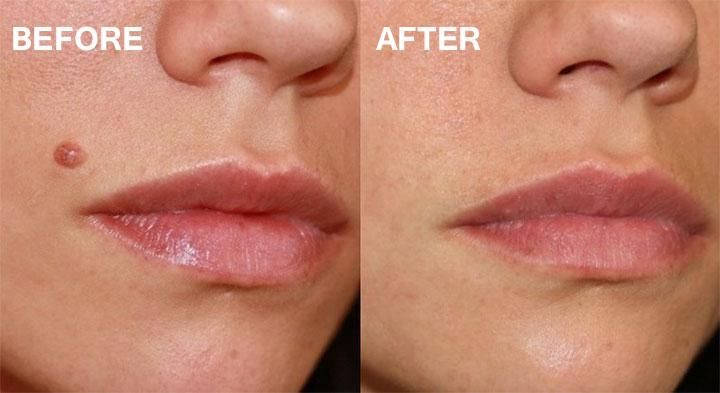
Aloe vera soothes the skin and may gradually lighten pigmentation.
How to use:
- Apply fresh aloe gel directly to the mole
- Massage gently and leave overnight
Aloe is also beneficial for calming irritated skin, similar to remedies used to get rid of pimples naturally.
7. Castor Oil and Baking Soda
This combination is believed to soften mole tissue over time.
How to use:
- Mix a pinch of baking soda with castor oil
- Apply nightly for several weeks
Castor oil is also known for its broader skin benefits, as discussed in guides about healthy benefits of castor oil.
What NOT to Do
Avoid unsafe methods that can damage your skin or cause infection.
❌ Cutting or burning moles at home
❌ Using harsh chemicals or acids
❌ Picking or scratching moles
❌ Ignoring signs of infection
DIY methods may seem tempting but can lead to scarring or pigmentation issues.
How to Know a Mole Needs Medical Attention
Use the ABCDE rule:
- Asymmetry
- Border irregularity
- Color changes
- Diameter larger than a pencil eraser
- Evolving shape or size
If your mole shows any of these signs, consult a dermatologist immediately instead of attempting removal.
Post-Removal Skincare: Avoid Scars and Dark Spots

Proper aftercare is essential to protect your skin.
Follow these tips:
- Keep the area clean and moisturized
- Avoid sun exposure (use SPF 30+)
- Don’t pick scabs or healing skin
Sun protection is especially important to prevent pigmentation, similar to routines recommended to lighten dark spots naturally.
How to Get Rid of Moles Without Damaging Skin
The safest approach combines:
- Accurate identification of mole type
- Gentle skincare
- Professional advice when needed
Avoid rushing the process. Skin healing takes time, and patience prevents scars.
Natural Skin Care Habits to Prevent New Moles
While you can’t completely stop moles from forming, you can reduce the risk.
- Wearing sunscreen daily
- Avoiding tanning beds
- Keeping skin hydrated
- Using gentle exfoliation
FAQs
Are facial moles dangerous?
Most are harmless, but sudden changes should be evaluated by a doctor.
Do natural remedies really work?
They may help fade small moles, but results vary and take time.
Is laser removal painful?
Most people describe mild discomfort, similar to a rubber band snap.
Can Moles Come Back After Removal?
Yes, especially if the mole wasn’t fully removed or the removal was superficial. Medical procedures are more effective in reducing recurrence than home remedies.
Final Thoughts
Facial moles are common and usually harmless, but wanting smoother, clearer skin is completely understandable. Whether you choose professional treatment or natural methods, knowing how to get rid of moles on your face safely is key.
Never ignore warning signs, avoid risky DIY techniques, and prioritize skin health over quick fixes. With the right approach, you can make informed decisions that keep your skin healthy, confident, and glowing.