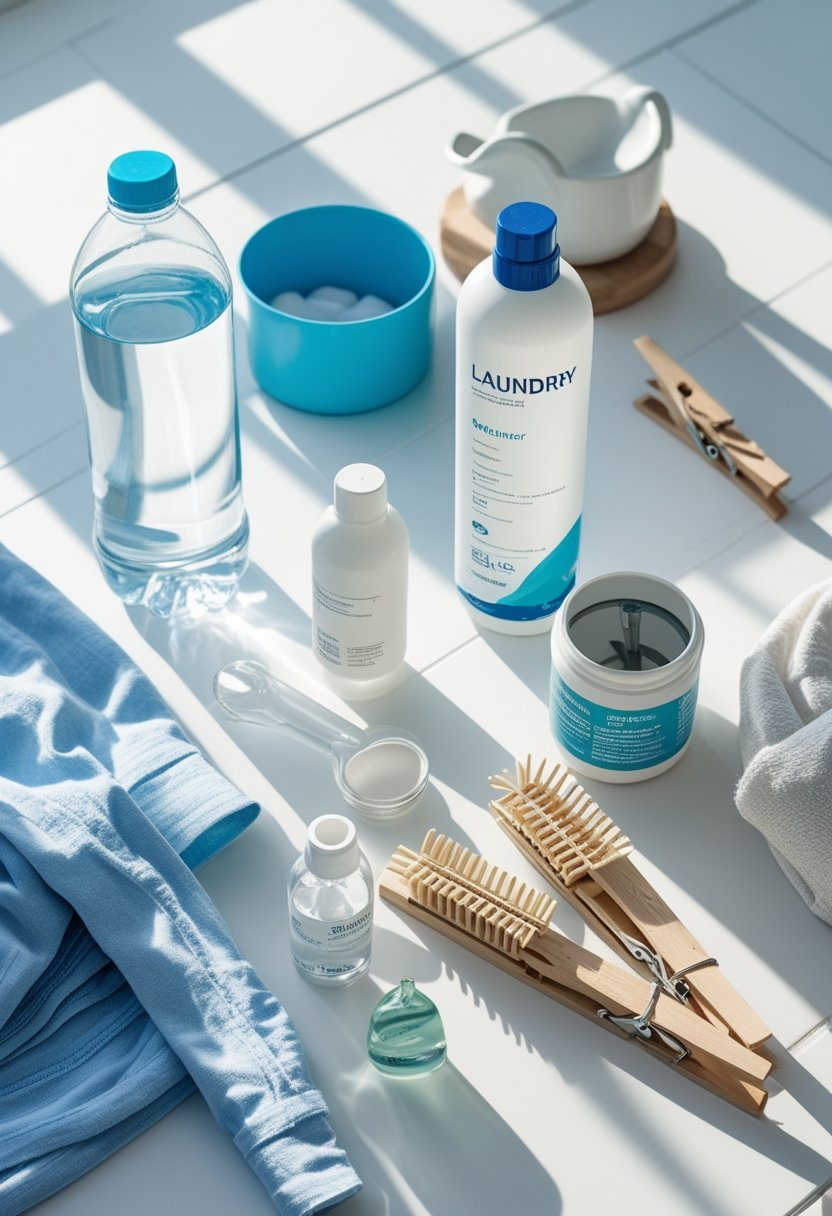
Blood stains are among the toughest stains to deal with—especially if they’ve had time to settle into fabric. Whether caused by a kitchen accident, a scraped knee, or a nosebleed, these stains can be stubborn, stressful, and surprisingly long-lasting. But don’t worry—this guide will walk you through how to get blood out of clothes the best way, using simple, effective, and fabric-friendly methods. With the right approach, you can restore your clothing to its fresh, clean state without damaging delicate fibers.
Just like removing difficult spills or tough marks such as set-in stains or urine stains and smells, blood stains require the right combination of timing, technique, and products. This guide covers everything from fresh stains to dried ones, natural remedies, laundry hacks, and preventive tips you’ll wish you knew earlier.
Why Blood Stains Are So Hard to Remove
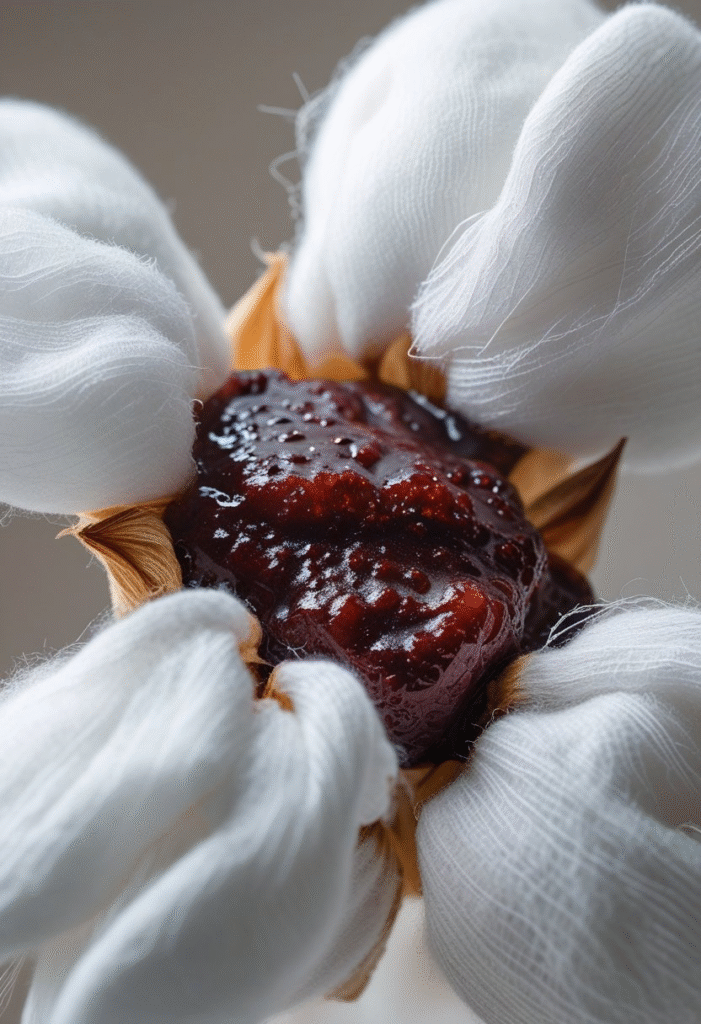
Blood stains contain proteins that bind tightly to fabric, especially when exposed to heat. This is why warm water, dryers, and hot irons can cause blood stains to set permanently. Understanding what makes blood stains so tricky helps you choose the best removal method.
Protein stains react to temperature. When exposed to heat, the proteins coagulate, bonding deep into fibers and making them harder to lift. This is similar to the challenge of removing old stains in general, such as those described in our guide on getting old stains out of carpet.
The good news? With the right strategy, even old blood stains can be removed effectively.
How to Get Blood Out of Clothes the Best Way
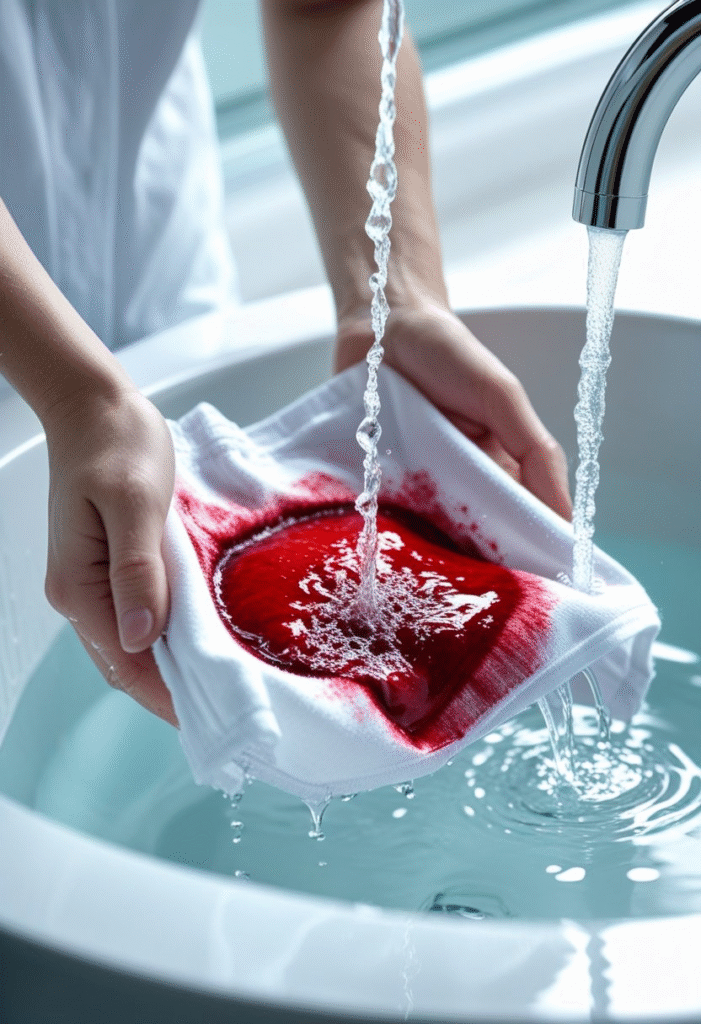
Fresh blood stains are much easier to treat than dried ones. Acting fast is key.
1. Rinse with Cold Water First
The first and most crucial step is rinsing the stain with cold running water. Hold the fabric under the tap and let the water push the blood out from the backside of the stain.
Why cold water?
Using warm or hot water will cause the proteins in blood to set, making the stain harder to remove.
If you’re dealing with another type of stubborn stain in the future, this “cold first” method also applies—similar to the advice in our post on cleaning hard water stains.
2. Use Mild Soap or Liquid Detergent
After rinsing:
- Apply a small amount of liquid laundry detergent or hand soap directly to the stain.
- Gently rub the fabric together to lift the stain.
- Rinse with cold water again.
Repeat until the stain fades significantly.
3. Try Hydrogen Peroxide for Light-Colored Fabrics
Hydrogen peroxide works like a mild bleaching agent, but it’s gentle enough for white and light-colored clothing.
How to use it:
- Dab a small amount directly onto the stain.
- Let it bubble and break down the blood for a few minutes.
- Rinse with cold water.
This method is similar to natural cleaning remedies used for lifting discoloration, like in whitening clothes without bleach.
Avoid using hydrogen peroxide on dark colors, as it may lighten them.
4. Use Baking Soda Paste
Baking soda works well on fresh blood stains, especially for cotton, linen, and denim.
Recipe:
- Mix 1 tablespoon of baking soda with 1–2 tablespoons of cold water to form a paste.
- Apply it to the stain.
- Let it sit for up to 30 minutes.
- Rinse and rub gently.
Baking soda is also widely used in other stain-removal solutions like natural teeth whitening with baking soda.
Effective Methods to Remove Dried Blood Stains
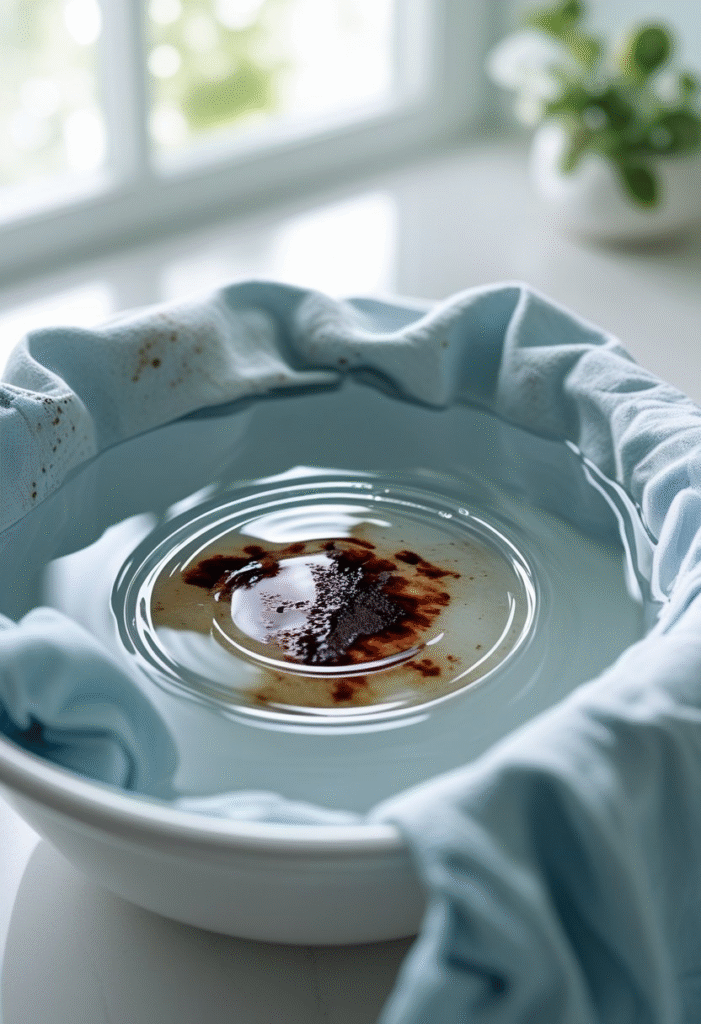
Dried blood stains are tougher because they’ve penetrated deeply into the fabric. But don’t worry—you can still remove them with the right approach.
1. Rehydrate the Stain with Cold Water
Before using any cleaning agent, you need to soften the dried blood.
Steps:
- Soak the stained clothing in a bowl of cold water for 30 minutes.
- Gently rub the stain to loosen it.
This prepares the fabric for deeper cleaning.
2. Use Saltwater or Saline Solution
Salt helps lift protein-based stains naturally.
Steps:
- Mix 1 teaspoon of salt with 2 cups of cold water.
- Apply to the stain and let sit 10 minutes.
- Rub gently and rinse.
This is a great option for delicate fabrics like silk or wool.
3. Try Ammonia For Stubborn Stains
Ammonia can break down protein stains effectively but should be used with caution.
How to use:
- Mix 1 tablespoon ammonia with ½ cup of cold water.
- Apply carefully with a cloth.
- Rinse thoroughly afterward.
Never mix ammonia with bleach.
For other tough cleaning issues involving strong odors or biological stains, see our guide on removing urine smell and stains.
4. Use White Vinegar
White vinegar works well because it’s acidic enough to break down blood proteins without harming most fabrics.
Steps:
- Soak the stain in vinegar for 10–15 minutes.
- Scrub gently.
- Rinse and repeat.
Vinegar is powerful enough to remove discoloration but gentle enough for sensitive materials—similar to its versatility shown in cleaning strawberries naturally.
5. Enzyme-Based Stain Removers
These cleaners break down proteins at the molecular level, making them perfect for dried blood.
Ideal for:
- Cotton
- Polyester
- Linen
- Denim
Always follow the product’s directions.
Natural Home Remedies for Blood Stains
For those who prefer eco-friendly options, these natural solutions work surprisingly well.
1. Lemon Juice & Sunlight
Drop a few teaspoons of lemon juice on the stain and place the fabric outside in the sun. UV rays act as a natural bleaching agent.
2. Cornstarch Paste
Mix cornstarch with cold water, apply to the stain, let it dry in sunlight, then brush it off.
3. Cola Method
Yes—cola can lift blood stains from jeans and darker fabrics. Its carbonation and mild acidity help loosen dried proteins.
Pour cola onto the stain, wait an hour, then wash normally.
4. Hydrogen Peroxide & Dish Soap Mix
For extremely stubborn stains, mix:
- 1 part dish soap
- 2 parts hydrogen peroxide
Apply gently, let bubble, rinse, and repeat.
How to Remove Blood Stains from White Clothes

Best methods:
- Hydrogen peroxide
- Baking soda
- Lemon juice
- Vinegar
- Salt
Always test in a small area if using acids like vinegar or lemon juice.
Whites often need extra attention, similar to the guides in whitening clothes without bleach.
How to Treat Blood Stains on Delicate Fabrics
Silk:
Use saltwater or gentle enzyme-free detergents.
Wool:
Cold water + mild soap.
Lace:
Soak in cold water with white vinegar.
Never scrub delicate fabrics aggressively.
Tips to Prevent Blood Stains from Setting
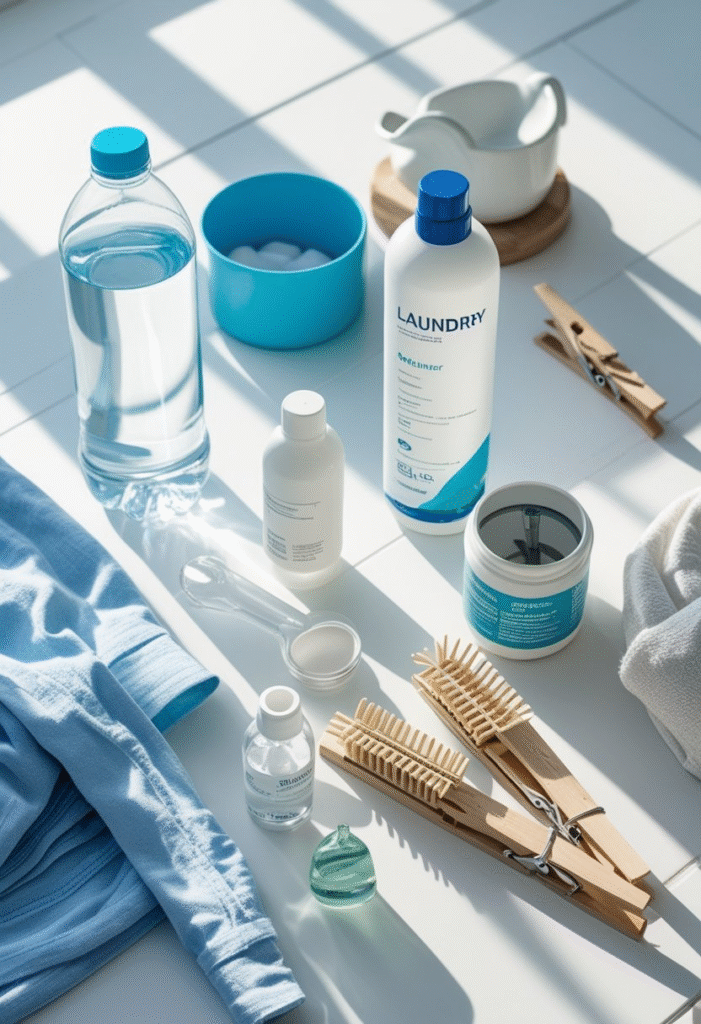
- Always use cold water first
- Avoid dryers until stains are fully removed
- Treat stains immediately whenever possible
- Keep a stain-removal kit ready
If you often deal with skin-related issues that cause staining (like acne, cuts, scrapes), you might find our guide on natural home remedies for blackheads helpful too.
When to Seek Professional Cleaning Help
You may need professional help if:
- The stain is on expensive, delicate, or vintage fabric
- It’s a large dried blood stain
- DIY methods haven’t worked
- The fabric bleeds or shrinks easily
Dry cleaning is especially helpful for suits, formal shirts, or delicate dresses.
Final Thoughts
Learning how to get blood out of clothes the best way is incredibly useful, whether you’re handling fresh stains or dried ones. With the right combination of cold water, natural cleaners, enzyme treatments, and fabric-safe techniques, you can restore your clothing without stress or damage.
For more helpful cleaning and home-care tips, explore other guides like how to remove set-in stains and natural teeth whitening remedies for everyday solutions that truly work.