A couch is the heart of your living room—where you relax after a long day, where guests gather, and where families spend quality time. But with constant use, it becomes a magnet for dust, stains, odors, pet hair, and daily grime. If you’re wondering how to restore your sofa to its fresh, clean condition, this guide has everything you need.
In this article, How to Clean a Couch: A Complete Guide, you’ll learn how to deep clean different couch materials, remove tough stains, eliminate bad smells, and maintain your sofa so it looks great for years. Whether you have kids, pets, or simply want your home to feel cleaner, these expert-backed methods are simple and effective.
Why Regular Couch Cleaning Matters
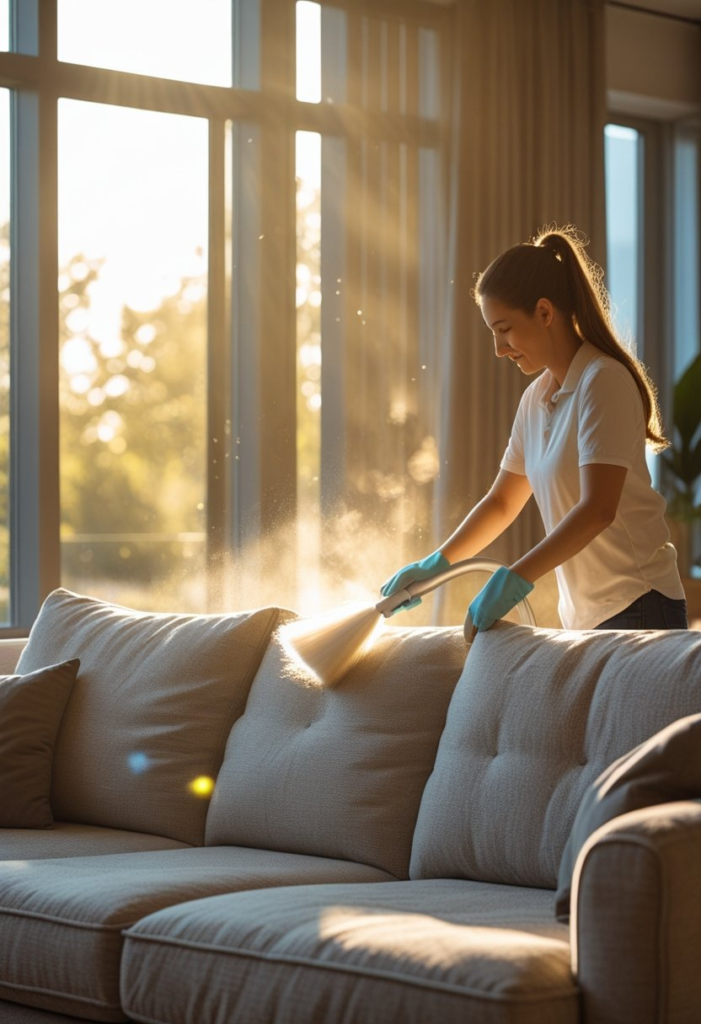
Your couch goes through a lot—coffee spills, snack crumbs, pet fur, sweat, and even body oils. But cleaning it regularly has benefits beyond appearance:
- Improves indoor air quality by reducing dust and allergens
- Extends the lifespan of the upholstery
- Prevents permanent stains from soaking in
- Eliminates trapped odors from pets, food, and moisture
If you’ve ever dealt with stains in other areas of your home, you know how quickly they can set. For example, if you’ve struggled with set-in stains, you may find the guide on removing them helpful: see the blog on how to remove set-in stains for extra tips.
Step 1: Identify Your Couch’s Fabric Type

Before you grab any cleaner, the first step is to determine your sofa’s fabric code. This ensures you use safe products that won’t damage the material.
Look for a small tag under the cushions or on the underside of the couch. You’ll typically see one of the following letters:
- W – Water-based cleaners are safe
- S – Use only solvent-based (dry-cleaning) cleaners
- W/S – Both solvent and water-based cleaners are acceptable
- X – Vacuum only; professional cleaning recommended
If your couch fabric is delicate, like linen or suede, sticking to the correct method is crucial to avoid damage.
Step 2: Start With a Thorough Vacuum
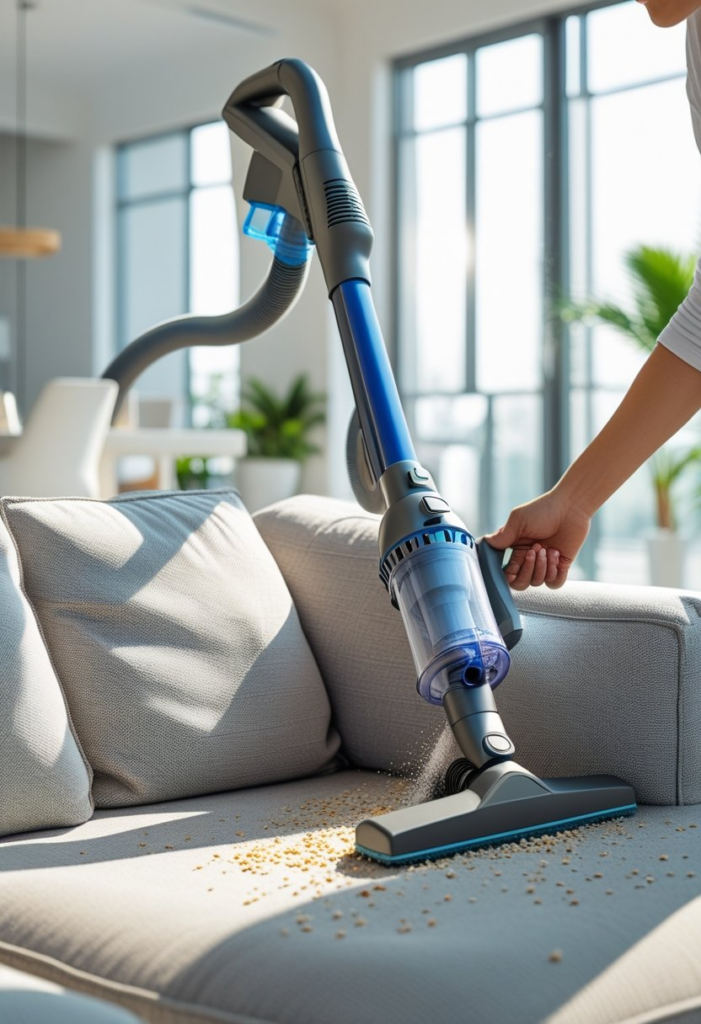
Before applying any liquid cleaner, always vacuum the couch. This removes surface debris and prevents rubbing dirt deeper into the fibers.
How to vacuum your couch effectively:
- Use the upholstery attachment
- Get into crevices and seams using the crevice tool
- Remove cushions (if detachable) and vacuum both sides
- Brush fabric lightly with a soft brush to loosen dust
If you want deeper cleaning tips for other fabrics around your home, check out the helpful guide on whitening white clothes without bleach.
Step 3:Clean Fresh Stains Immediately
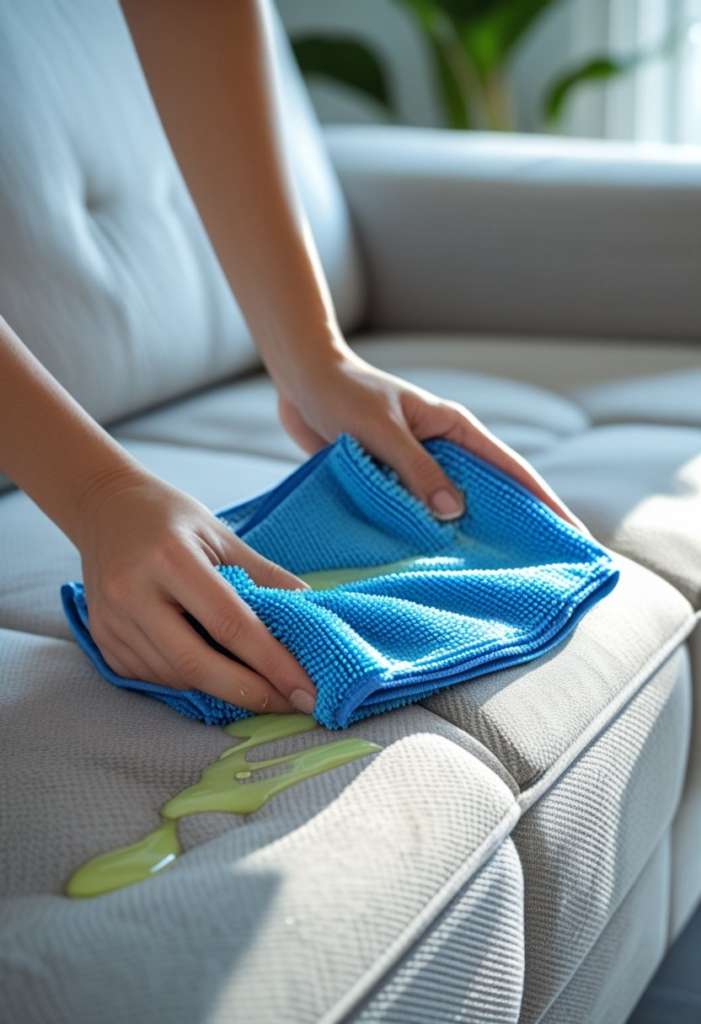
Fresh stains are easier to remove than dried ones. When something spills:
- Blot, don’t rub.
Use a dry microfiber cloth to absorb as much liquid as possible. - Apply the right cleaner based on your fabric code.
- Use gentle blotting motions until the stain begins to lift.
DIY spot-cleaning solutions:
- For water-safe fabrics (W):
Mix 1 teaspoon dish soap + 1 cup warm water. - For oil-based or solvent-only fabrics (S):
Use a fabric-safe solvent or rubbing alcohol applied to a cloth. - For odors or mild stains:
Sprinkle baking soda across the stained area and let it sit 15–20 minutes before vacuuming.
If your couch stain includes lingering smells, the blog on removing urine stains and smell provides excellent deodorizing strategies.
Step 4: Deep Clean the Couch
Different couch materials require different cleaning methods. Below is the safest and most effective way to deep clean each type.
Cleaning a Fabric Couch
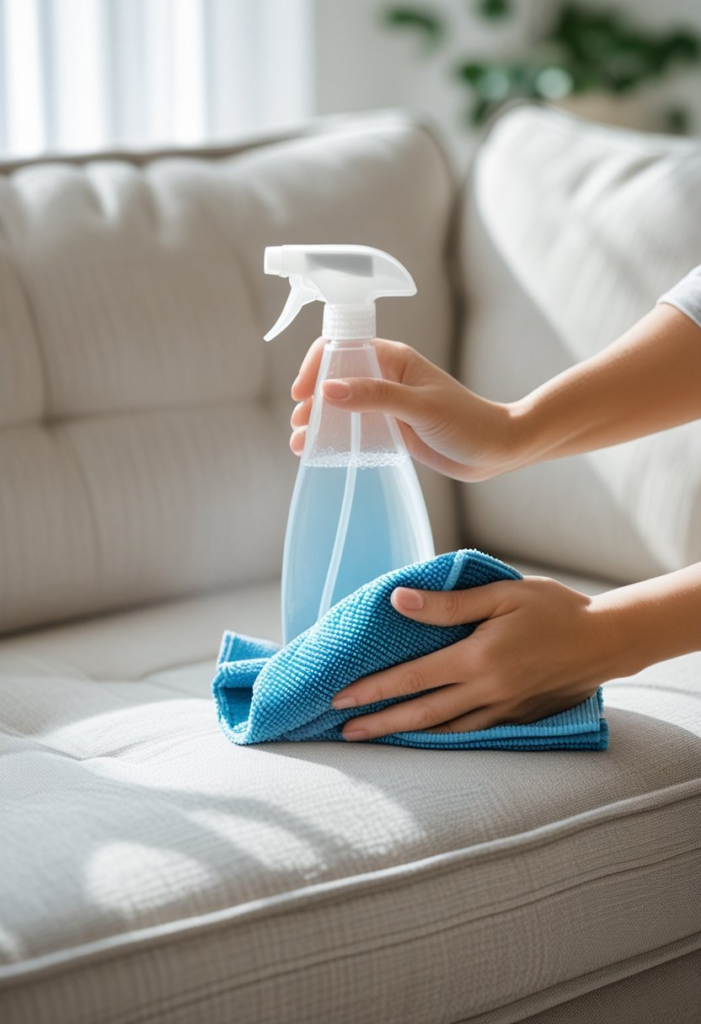
Fabric couches are the most common—and the easiest to clean.
What you need:
- Warm water
- Dish soap
- White vinegar
- Spray bottle
- Microfiber cloths
- Soft-bristle brush
Cleaning steps:
- Mix 1 cup warm water + ¼ cup vinegar + a few drops of dish soap in a spray bottle.
- Lightly mist—not soak—the fabric.
- Scrub gently with a soft brush.
- Wipe with a clean damp cloth.
- Let air dry completely.
This method removes dirt, light stains, and odors without damaging the couch.
Cleaning a Microfiber Couch
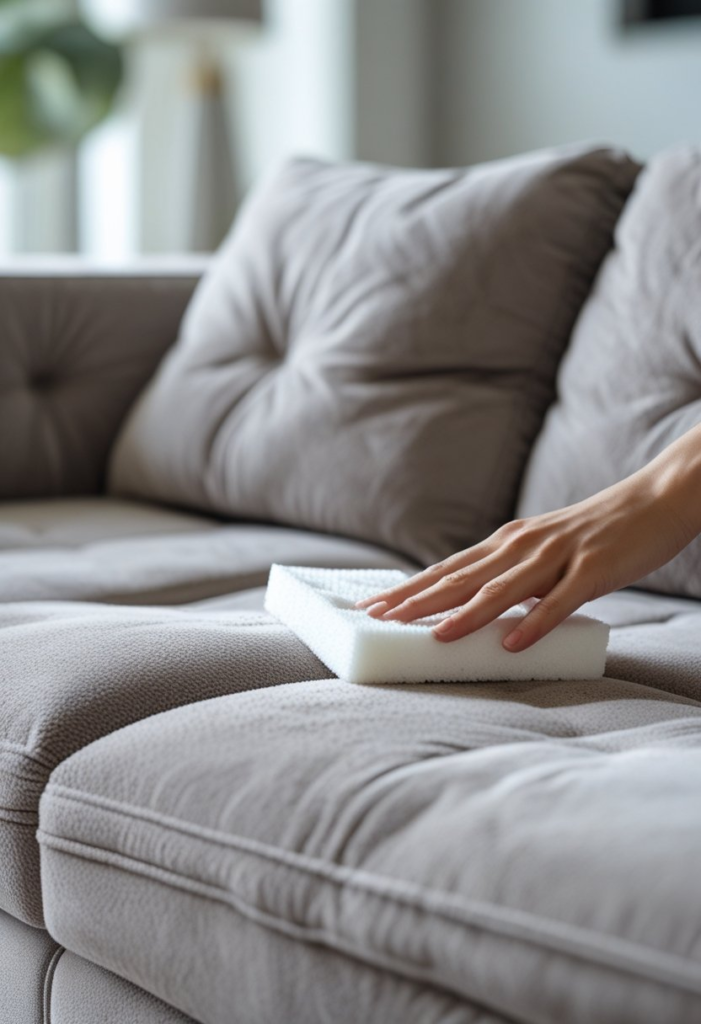
Microfiber sofas tend to show water rings if cleaned incorrectly, so proper technique matters.
Best method:
- Use rubbing alcohol instead of water.
- Spray lightly and scrub with a white sponge.
- Once dry, fluff the fibers using a soft-bristle brush.
Cleaning a Leather Couch
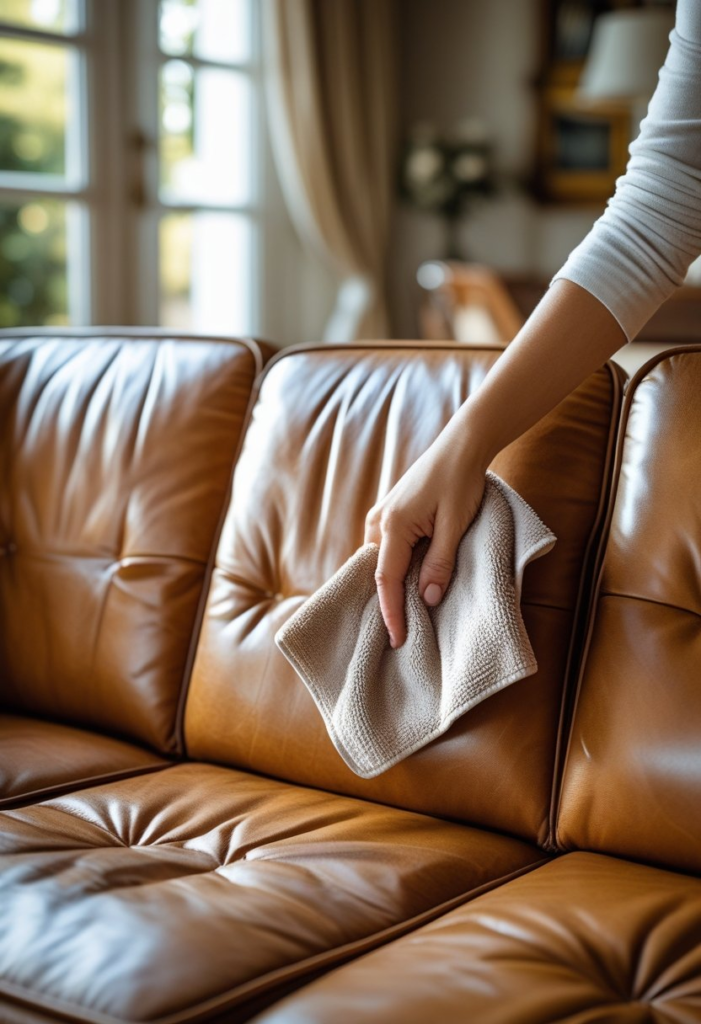
Leather needs gentle, non-stripping cleaning to maintain shine and prevent cracking.
Cleaning steps:
- Mix equal parts white vinegar and water.
- Lightly dampen a microfiber cloth with the mixture.
- Wipe the surface gently.
- Dry with another cloth.
- Apply a leather conditioner if desired.
Avoid harsh chemicals, bleach, and abrasive scrubbing.
If you’re tackling other cleaning tasks like hard water stains, check the helpful guide on removing hard water stains.
Cleaning a Faux Leather Couch
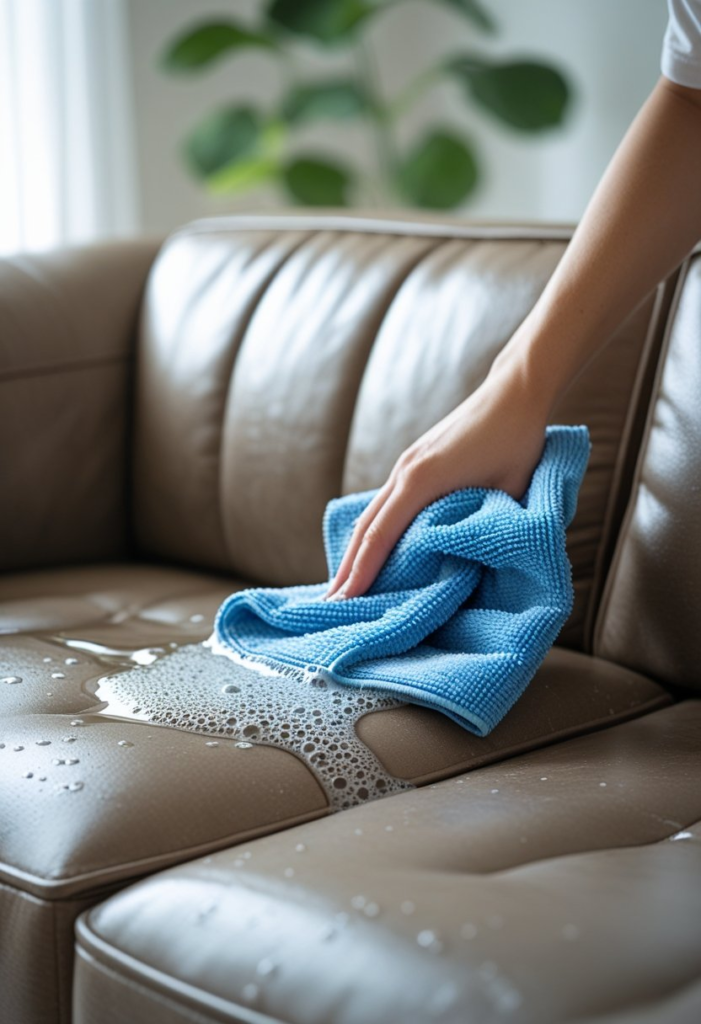
This material is more forgiving than real leather.
How to clean it:
- Use mild dish soap and warm water
- Wipe gently with a soft cloth
- Use a dry towel to remove excess moisture
Cleaning a Suede Couch
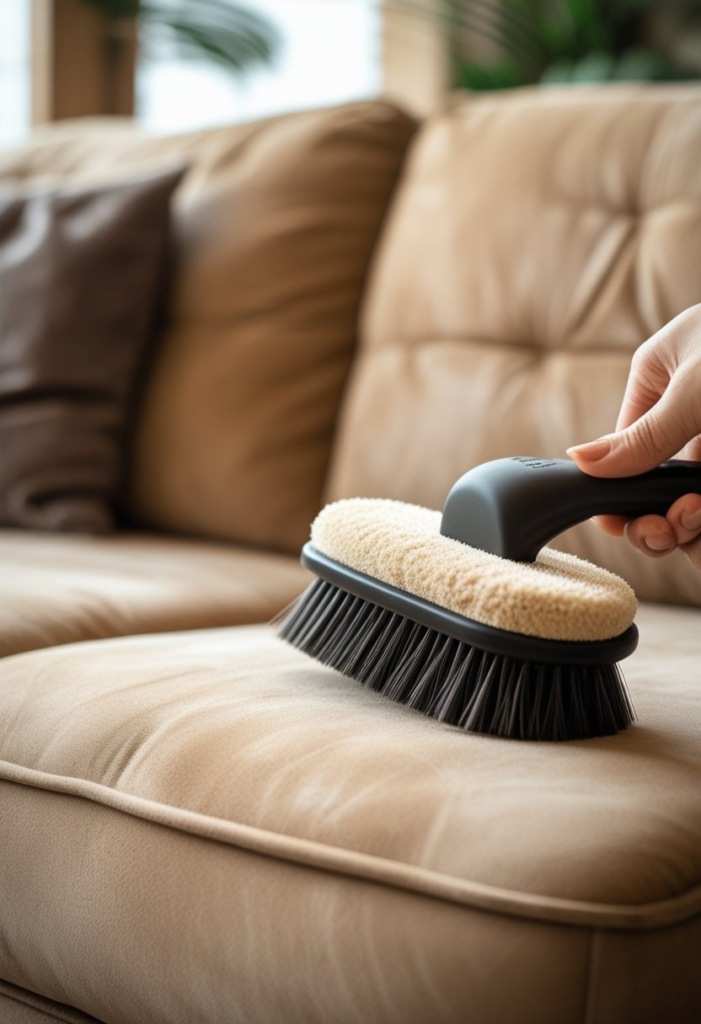
Suede is delicate and requires more care.
How to clean suede:
- Use a suede brush to remove dirt.
- For stains, use a suede eraser or a white vinegar solution.
- Avoid water unless your couch specifically allows it.
Step 5: Deodorize the Couch
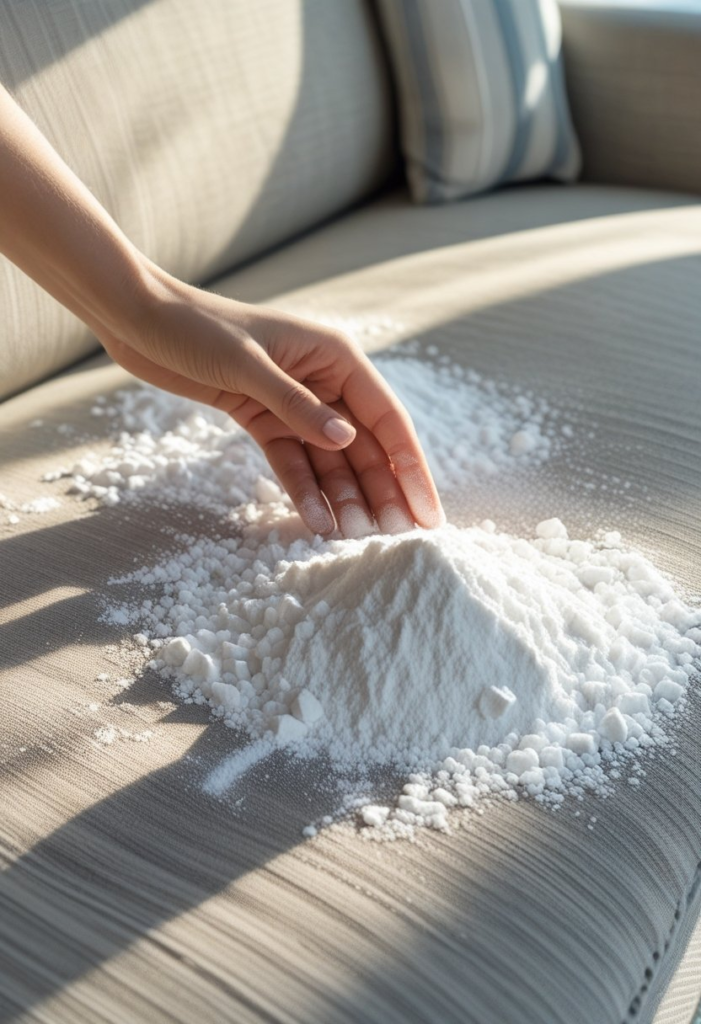
Couches can trap odors from food, pets, spills, and humidity. Here’s how to eliminate them naturally:
Baking soda deodorizing method:
- Sprinkle a generous amount of baking soda over the couch.
- Let it sit for 1–2 hours (or overnight for strong smells).
- Vacuum thoroughly.
For persistent odors, especially pet-related, consider enzyme-based cleaners.
Step 6: Remove Pet Hair Easily
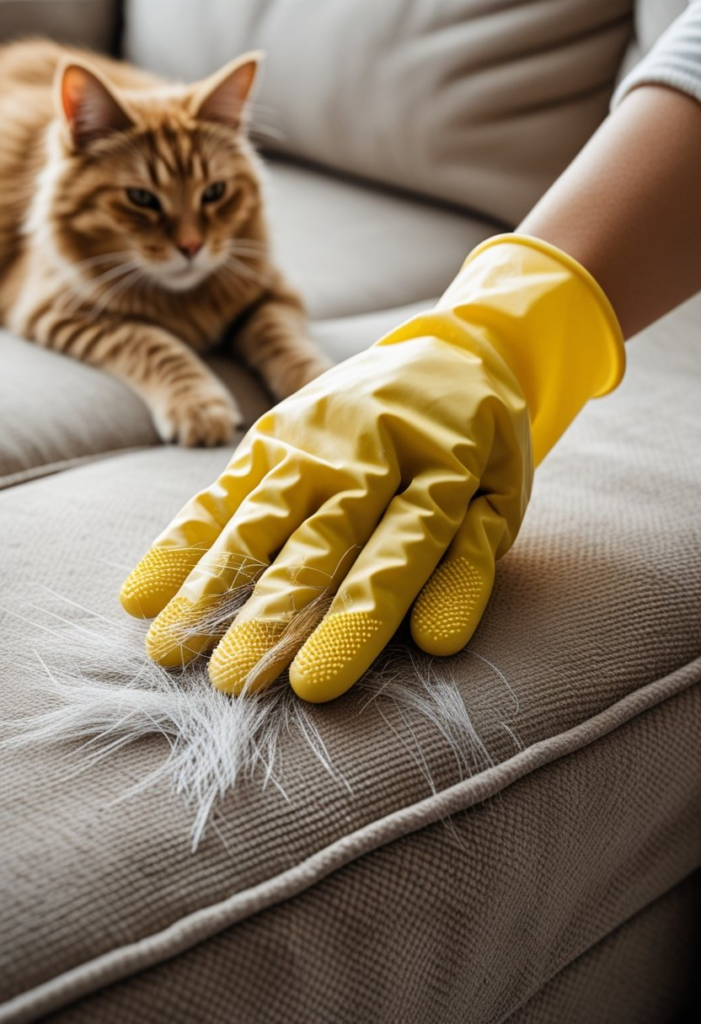
If you have pets, fur buildup is inevitable. Try these proven tricks:
- Use a lint roller
- Wear rubber gloves and rub your hand across the fabric
- Use a handheld vacuum with a pet-hair attachment
- Lightly mist the couch with water—this helps hair clump for easier removal
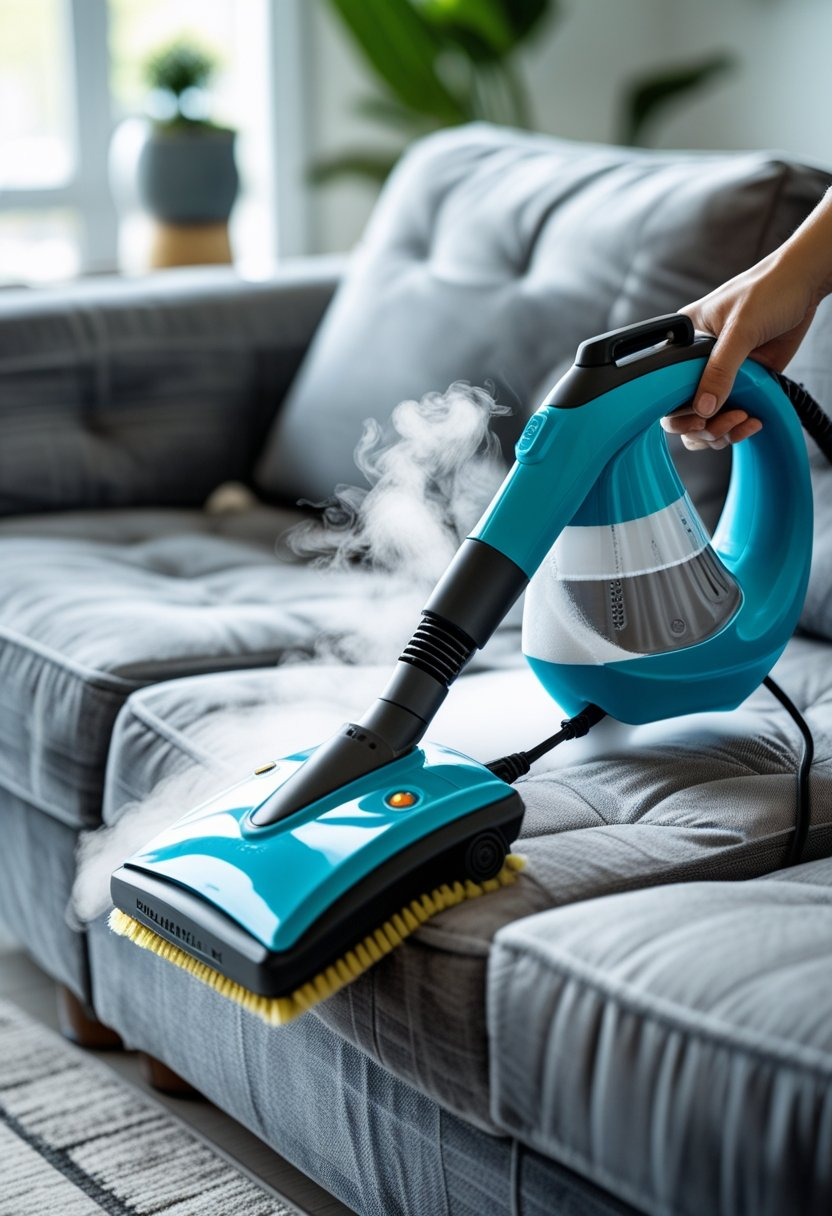
Step 7: Steam Clean for a Deep Refresh
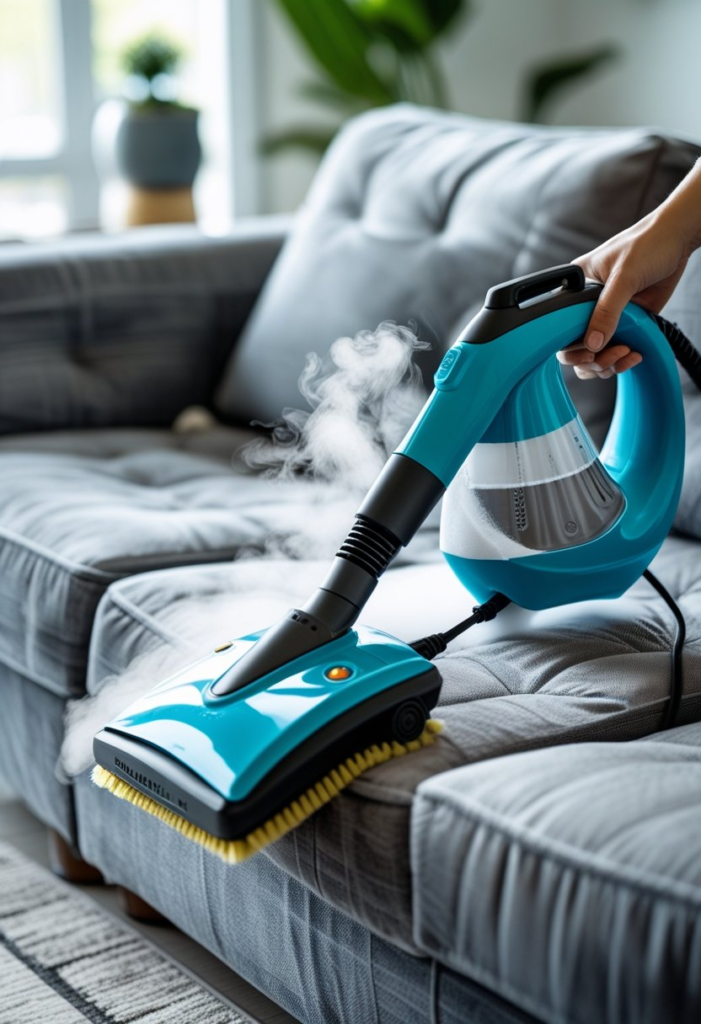
Steam cleaning is one of the best ways to eliminate deep-set dirt and germs.
Before steaming:
✔ Vacuum
✔ Spot clean
✔ Test a small area
How to steam clean:
- Attach the upholstery tool.
- Move slowly in overlapping strokes.
- Allow the couch to dry fully before using.
Avoid steaming leather, suede, or fabrics tagged “X”.
Step 8: Maintain Your Couch Weekly
A clean couch stays cleaner longer when maintained properly. Add these simple habits to your routine:
- Vacuum weekly
- Rotate and fluff cushions
- Wipe spills immediately
- Use washable slipcovers if possible
- Avoid eating messy foods on the couch
If you want more home-maintenance tips, explore guides like removing scratches from a glass stove for other areas of your home.
How to Clean Couch Cushions
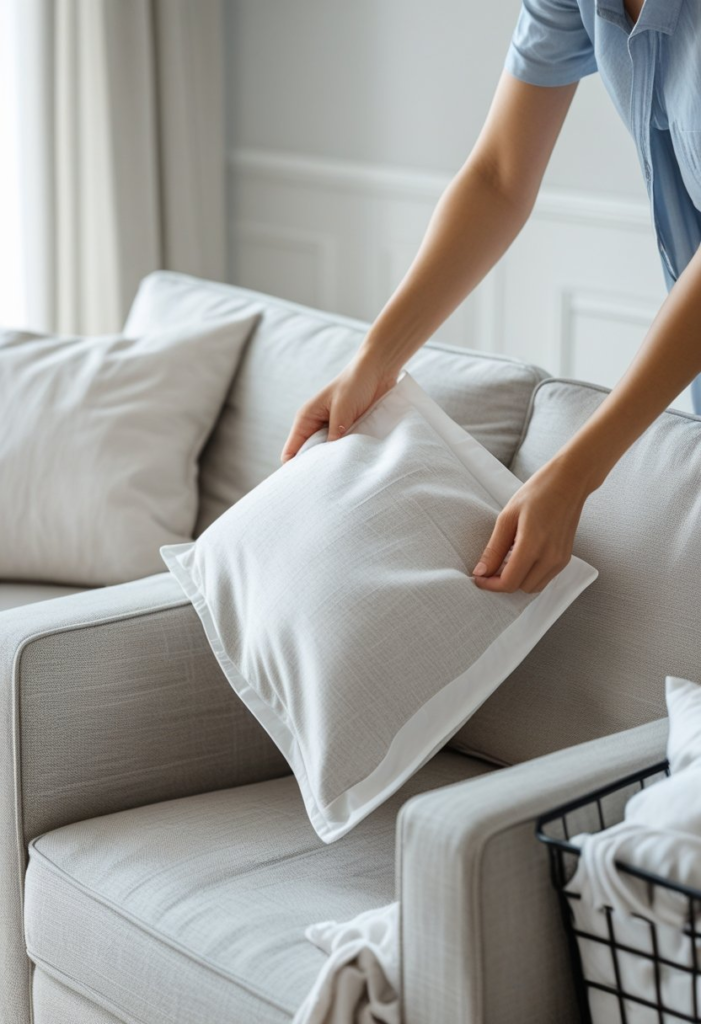
If your cushions have removable covers:
- Check washing instructions on the tag.
- Use gentle detergent.
- Air-dry to prevent shrinkage.
For non-removable cushions:
- Treat them the same as the rest of the couch using spot cleaning, baking soda, or steam cleaning.
How to Remove Common Couch Stains
Below are quick solutions for the most common stains.
1. Grease and Oil Stains
- Sprinkle baking soda or cornstarch on the stain.
- Let sit 20 minutes.
- Vacuum and clean with dish-soap solution.
2. Coffee or Tea Stains
- Blot immediately.
- Clean with vinegar + water solution.
3. Ink Stains
- Dab (don’t rub!) with rubbing alcohol.
- Use a clean white cloth to avoid color transfer.
4. Wine or Juice Stains
- Blot quickly.
- Use dish soap + water.
- Rinse with a damp cloth.
For more stain-related guidance, check out the blog on getting old stains out of carpet.
When to Call a Professional
Even with the best home cleaning methods, sometimes a professional service is necessary—especially for:
- Deep or old stains that won’t lift
- Large water damage
- Mold or mildew smells
- “X-code” upholstery fabrics
Professionals use industrial tools that refresh your couch safely and thoroughly.
Final Thoughts
Your couch is one of the most-used pieces of furniture in your home, and keeping it clean not only improves how your space looks but also boosts air quality and comfort. With this guide, cleaning your couch doesn’t have to feel overwhelming. Follow each step, understand your fabric type, and commit to regular maintenance to keep your sofa fresh, inviting, and long-lasting.
By using the tips in How to Clean a Couch: A Complete Guide, you’ll restore your couch to its best condition and maintain a cleaner, healthier living space.