Vitamin B12, also known as cobalamin, is a crucial nutrient that plays a key role in maintaining healthy nerve cells, producing DNA, and forming red blood cells. Deficiency in B12 can lead to fatigue, weakness, memory issues, and even neurological problems. Luckily, you can naturally boost your intake through certain foods. In this guide, we’ll explore the Top 16 High Vitamin B12 Foods that you should consider including in your diet.
Why Vitamin B12 is Essential for Health
Vitamin B12 is water-soluble, meaning your body doesn’t store it for long periods. This makes regular consumption vital. Beyond its role in red blood cell production and DNA synthesis, B12 supports brain function, energy metabolism, and mood regulation. A deficiency can manifest as:
- Fatigue and weakness
- Tingling or numbness in hands and feet
- Difficulty maintaining balance
- Memory loss or cognitive issues
- Mood disturbances
For those looking to address deficiencies, this guide complements our earlier post on Vitamin B12 Deficiency: Symptoms, Causes, and Remedies, offering actionable dietary solutions.
1. Clams
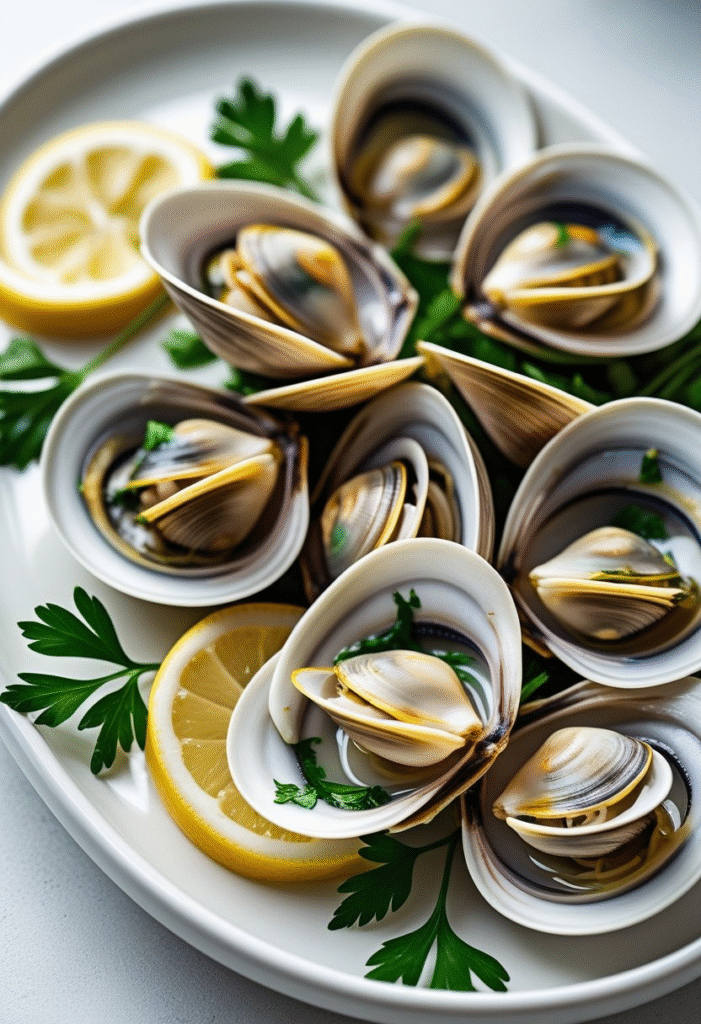
Clams are a powerhouse when it comes to B12. Just 3 ounces of cooked clams can provide over 1,400% of your daily B12 requirement. They’re also rich in iron and protein, making them excellent for overall vitality. Nutritionists often recommend including clams once a week for those seeking optimal B12 levels.
2. Sardines
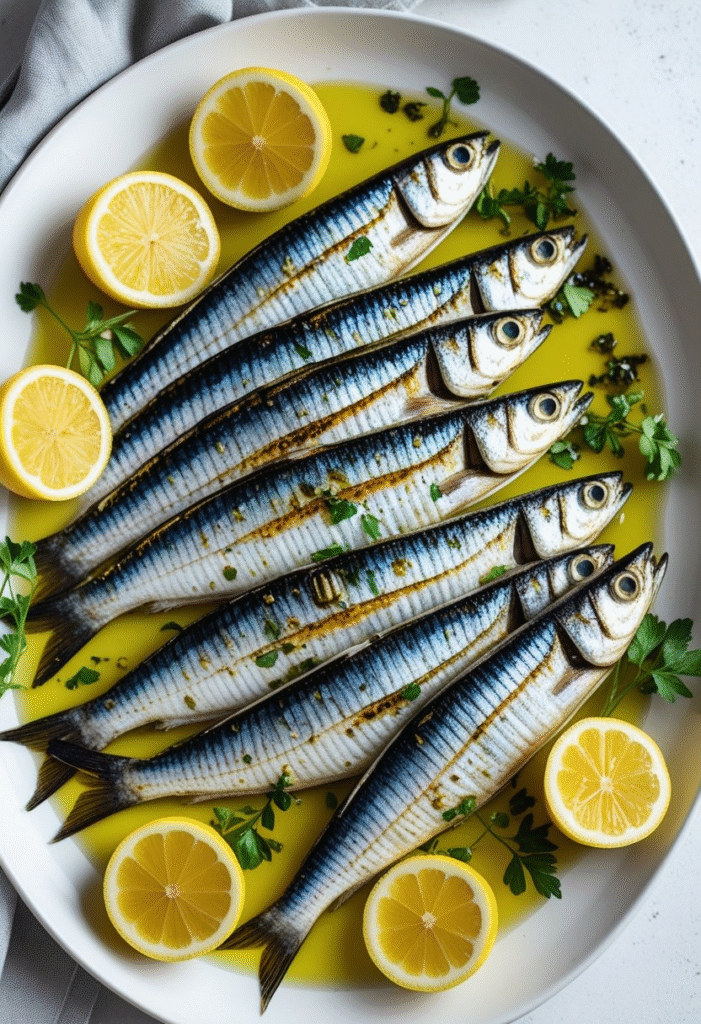
These small, oily fish pack a significant B12 punch. One cup of sardines contains around 8.2 micrograms of vitamin B12, which is more than triple the daily requirement. Sardines are also rich in omega-3 fatty acids, supporting heart and brain health.
3. Salmon
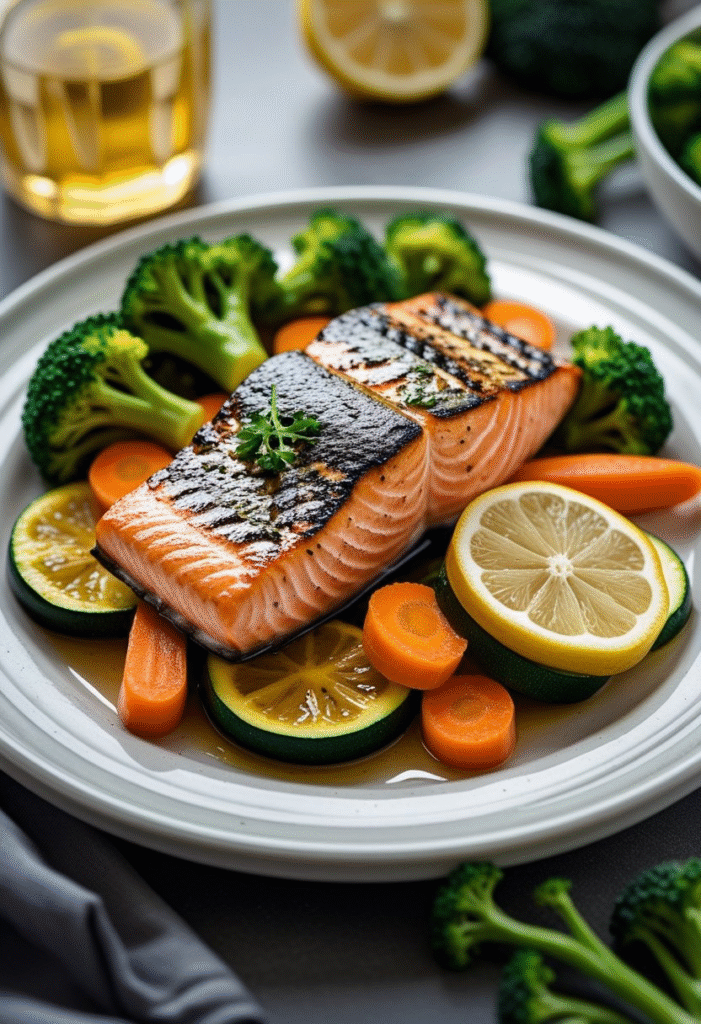
Salmon is not only delicious but highly nutritious. A 3-ounce serving provides approximately 4.9 micrograms of B12. Besides vitamin B12, salmon contains omega-3s, protein, and selenium, making it a well-rounded choice for overall wellness. For meal ideas, check out our Summer Dinner Recipes for Busy Weeknights, which include quick salmon options.
4. Tuna
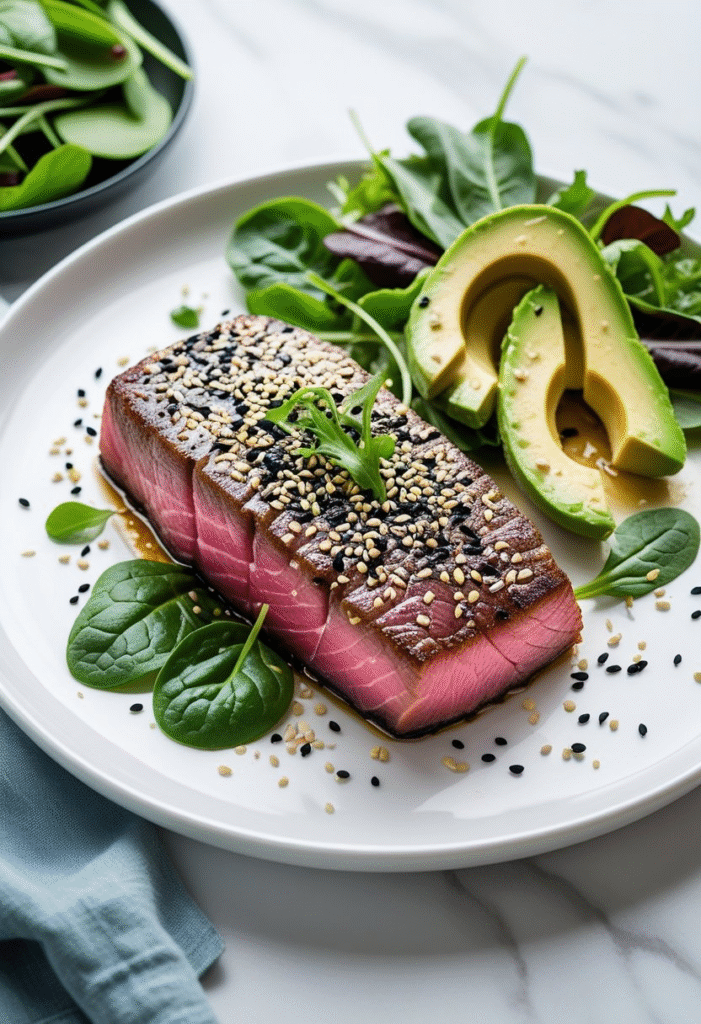
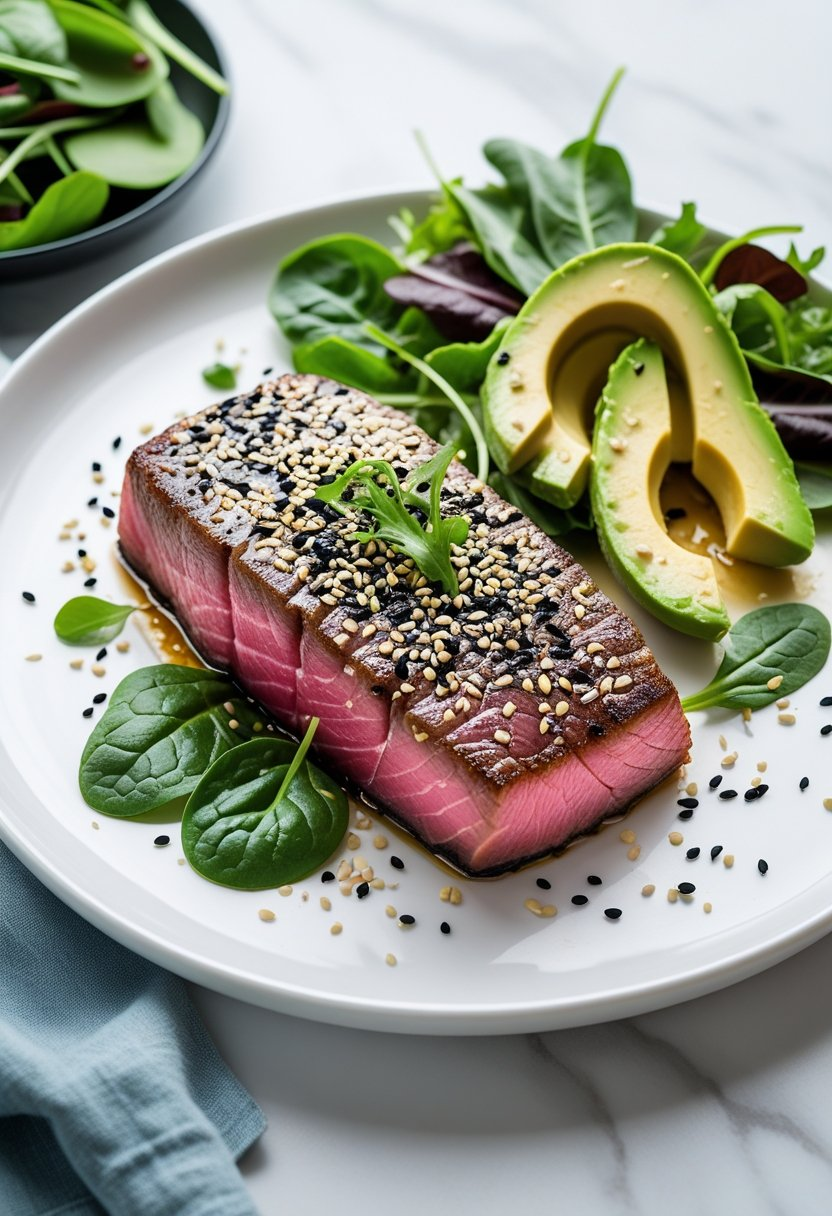
Tuna is another excellent B12 source, with 2.5 micrograms in a 3-ounce serving. Light tuna tends to have slightly less mercury than albacore, so nutritionists suggest moderation for pregnant women and children. Tuna can be enjoyed grilled, canned, or as a salad topping.
5. Beef
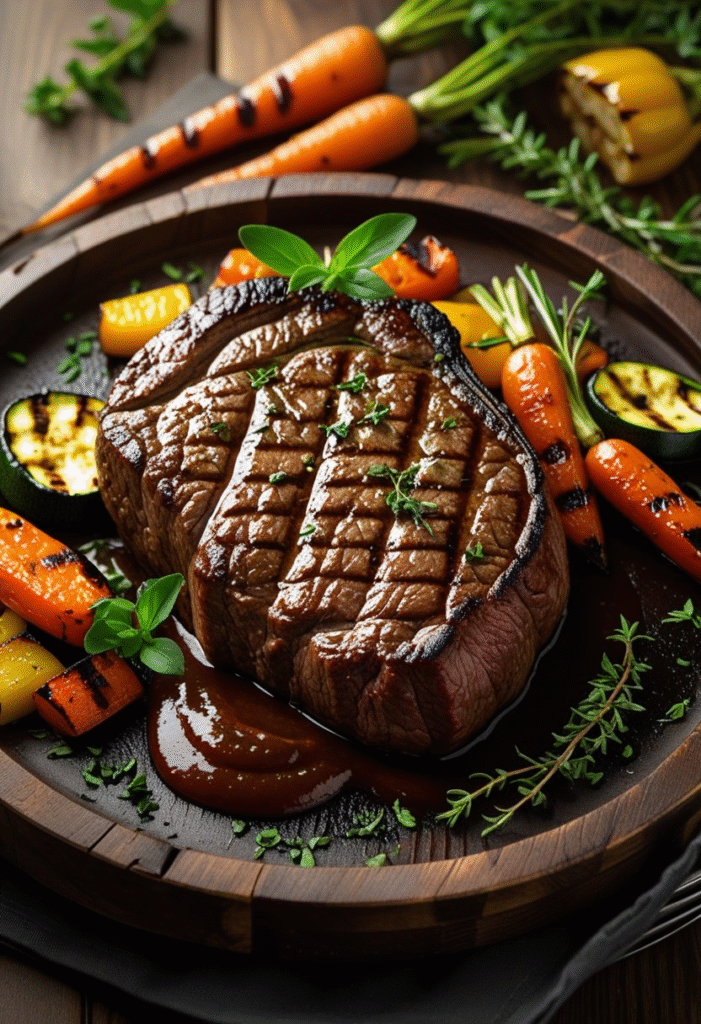
Red meat, particularly beef liver, is exceptionally rich in vitamin B12. Just 3 ounces of cooked beef liver contains over 70 micrograms, which is more than ten times the recommended daily intake. Lean beef also provides protein, iron, and zinc.
6. Fortified Cereals

For vegetarians or those who prefer plant-based diets, fortified cereals are a reliable source of B12. Many cereals are enriched to provide 25–100% of your daily B12 in a single serving. Pairing them with fortified plant milk can further enhance your intake.
7. Milk and Dairy Products
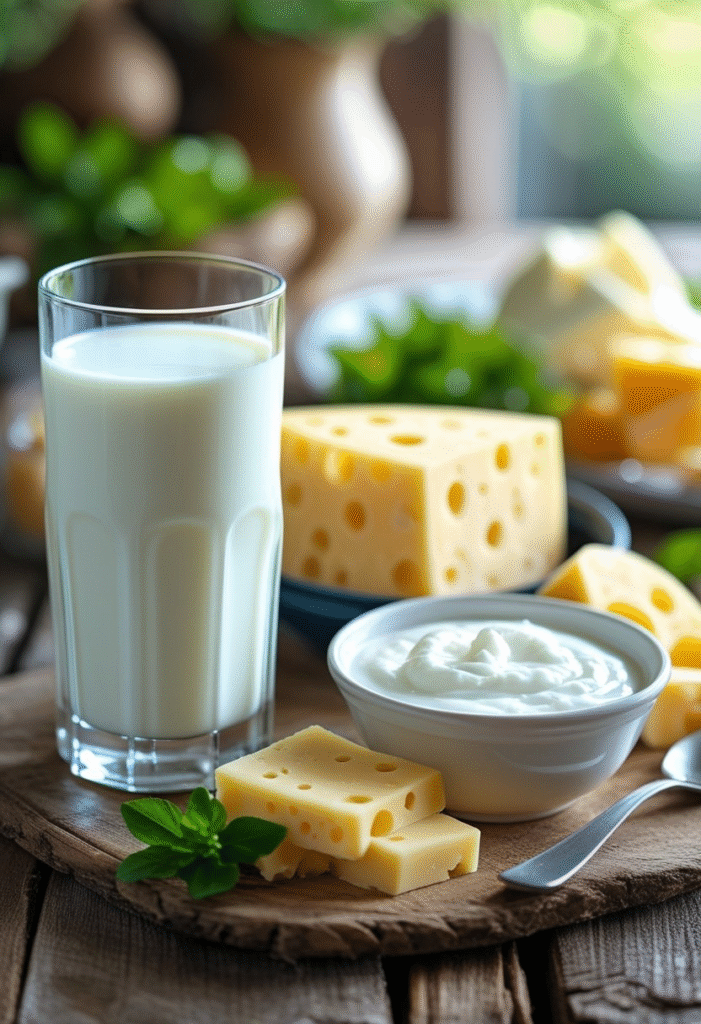
Dairy is a great source of B12, particularly for vegetarians. One cup of milk contains about 1.2 micrograms of B12. Yogurt and cheese also contribute significantly to daily requirements. For healthy dairy recipes, you can explore High Protein Cottage Cheese Recipes.
8. Eggs

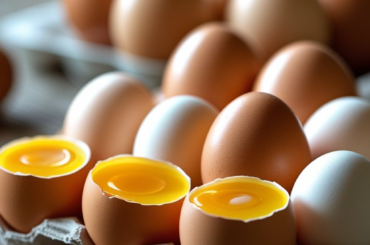
Eggs, especially the yolks, provide around 0.6 micrograms of B12 per large egg. They are versatile, easy to prepare, and also rich in other nutrients like choline and selenium. Including eggs in breakfast or salads is an excellent way to meet daily B12 needs.
9. Fortified Nutritional Yeast
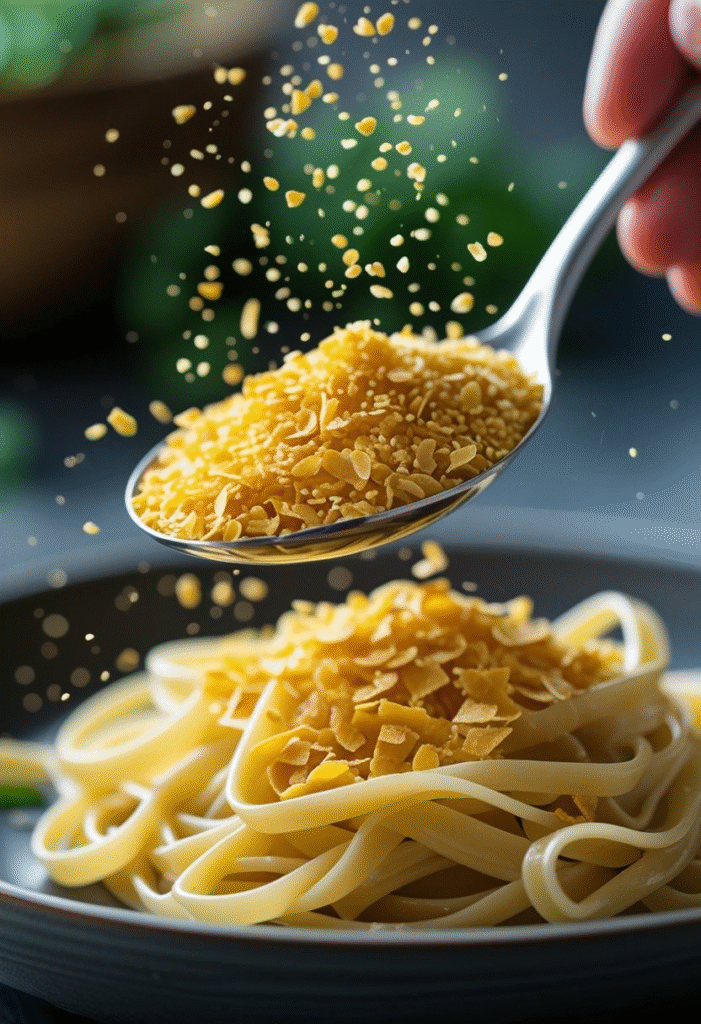
Nutritional yeast is a favorite among vegans and vegetarians. Many brands are fortified with B12, providing up to 8 micrograms per serving. Its cheesy flavor makes it perfect for sprinkling over pasta, soups, or popcorn.
10. Trout
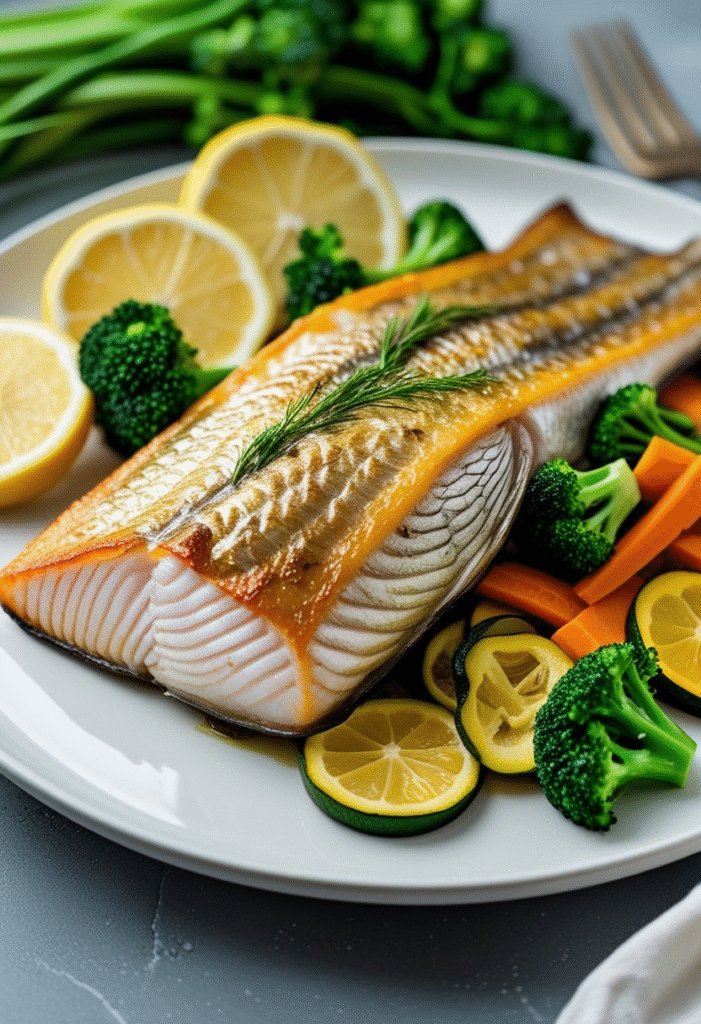
Rainbow trout is both mild in flavor and nutrient-dense. A 3-ounce serving contains roughly 5.4 micrograms of B12. It’s also rich in protein and omega-3s, supporting cardiovascular and neurological health.
11. Cod
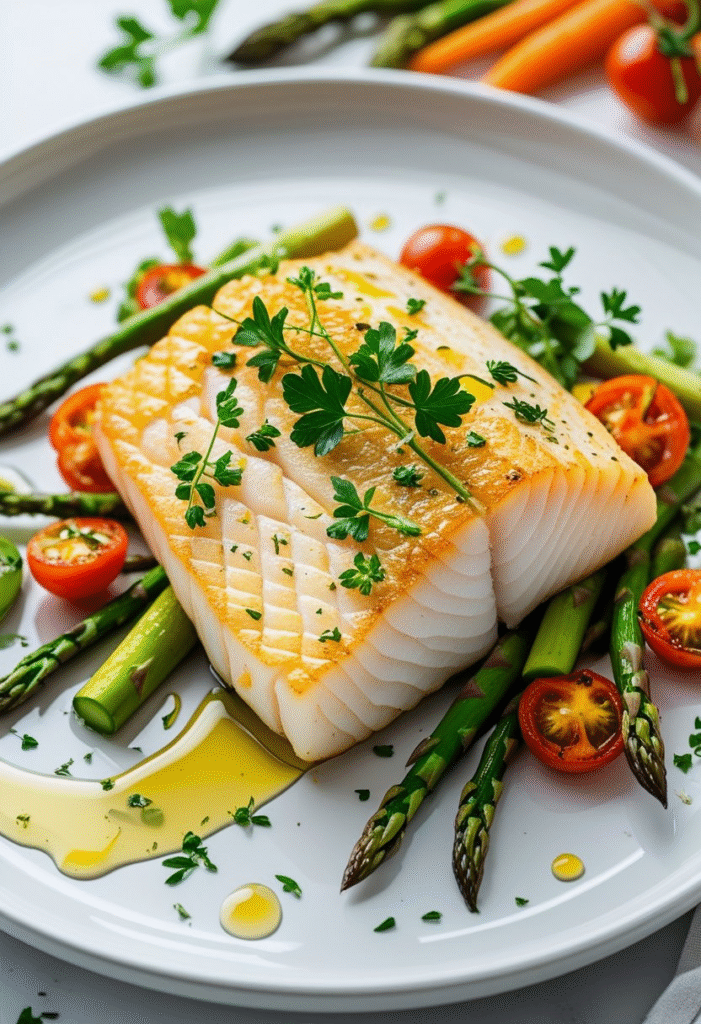
Cod offers a lean, white fish option with about 1 microgram of B12 per 3-ounce serving. It’s low in fat but high in essential nutrients, making it suitable for those following a calorie-conscious diet.
12. Chicken
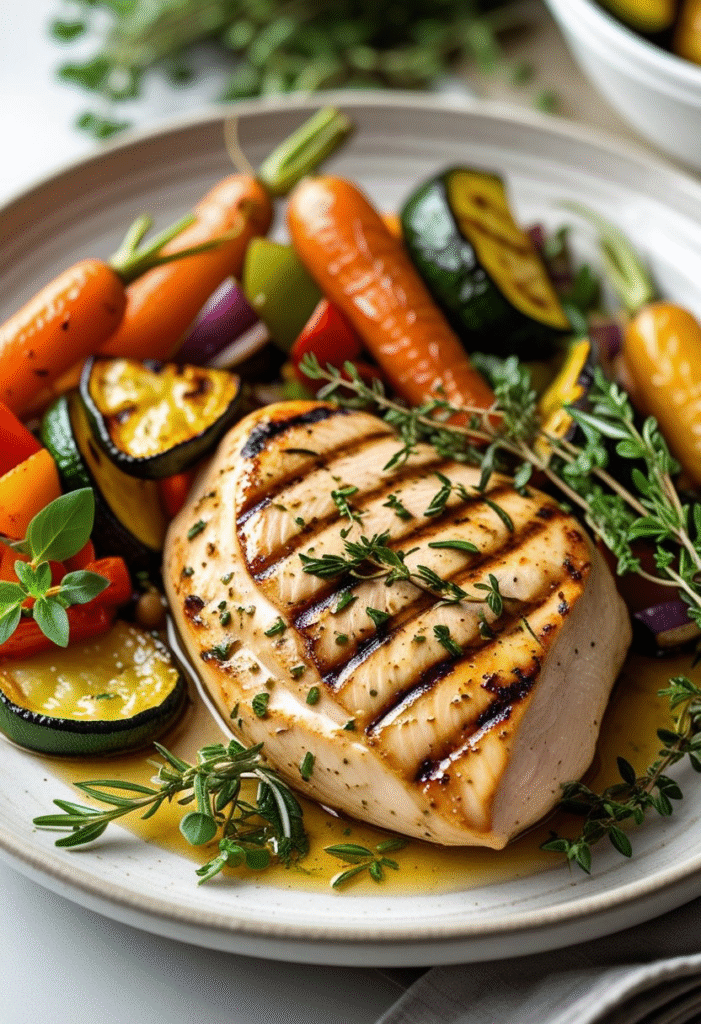
While not as B12-rich as red meat, chicken still provides a decent amount—about 0.3 micrograms per 3-ounce serving. It’s widely accessible and versatile in cooking. For creative ways to include chicken, explore quick recipes similar to our Summer Dinner Recipes.
13. Shellfish (Oysters & Mussels)
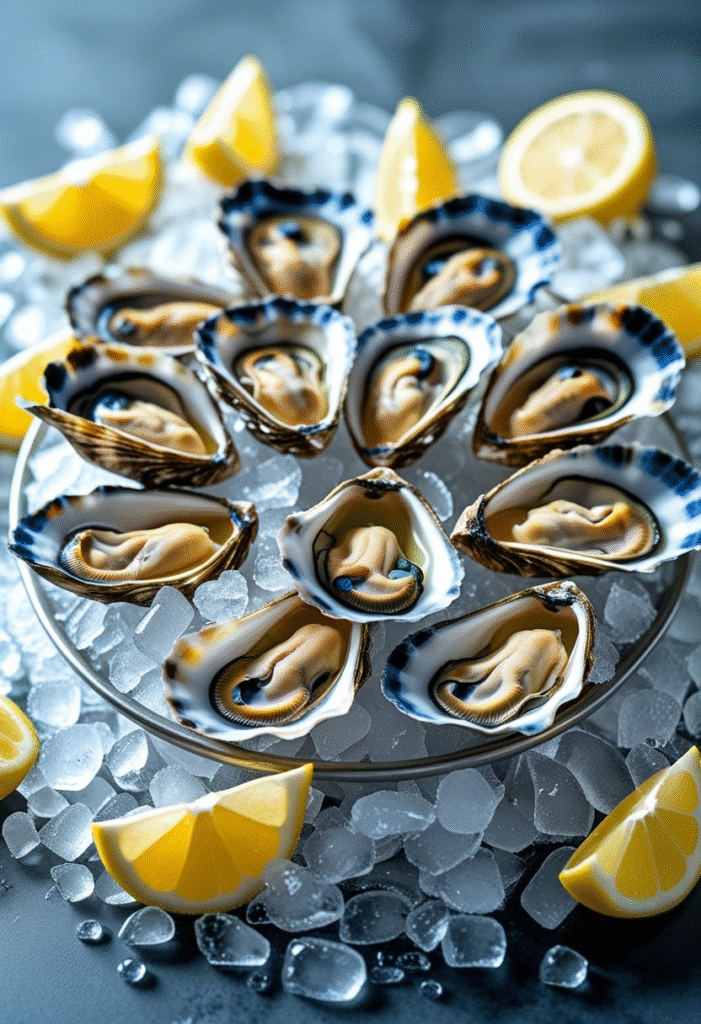
Oysters and mussels are nutritional powerhouses. Three ounces of cooked mussels provide over 20 micrograms of B12, while oysters offer around 10 micrograms. They also contain zinc, selenium, and iron, making them excellent for overall immune support.
14. Cheese
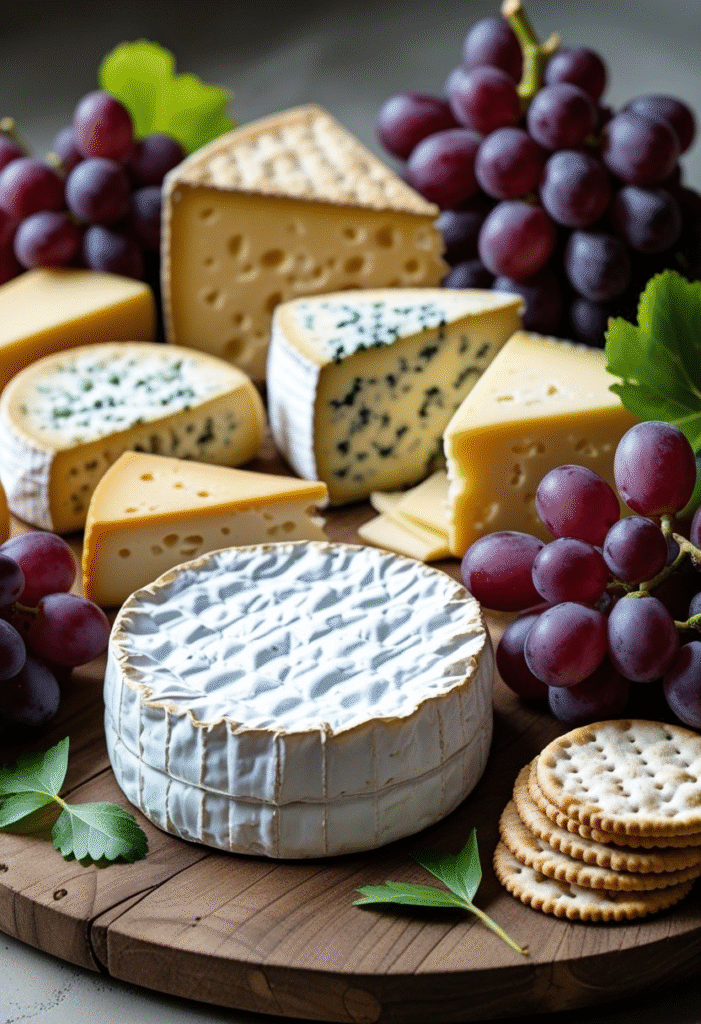
Certain cheeses, especially Swiss, mozzarella, and feta, contain good amounts of B12, ranging from 0.9 to 1.5 micrograms per ounce. Cheese can easily complement meals or snacks to help you meet daily requirements. For pairing ideas, see our Healthy Breakfast Recipes.
15. Yogurt
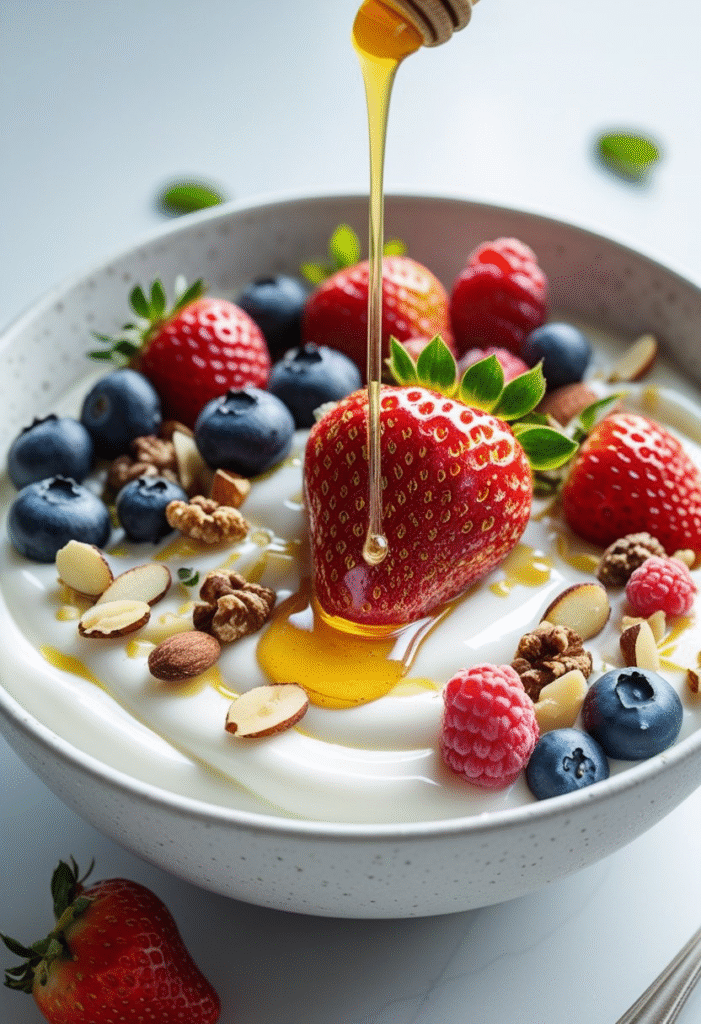
A cup of yogurt provides approximately 1.1 micrograms of vitamin B12. It also contains probiotics, calcium, and protein, supporting digestion, bone health, and satiety. Flavored or plain, yogurt can be a versatile daily B12 source.
16. Fortified Plant-Based Milks
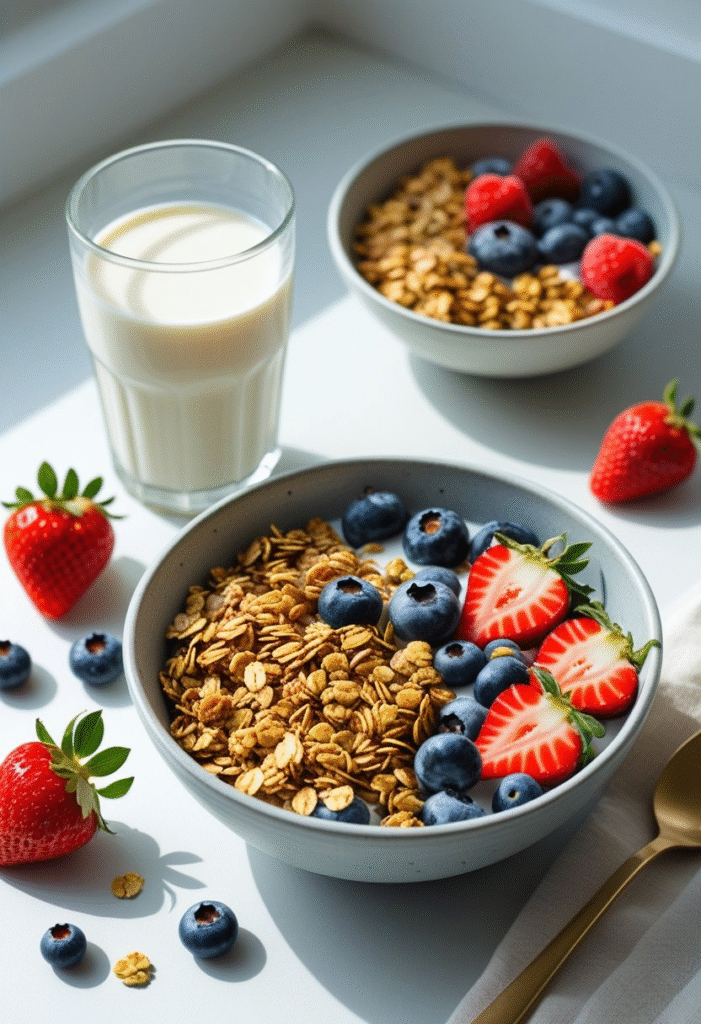
For vegans or those avoiding dairy, many plant-based milks such as soy, almond, or oat milk are fortified with vitamin B12. One cup can provide 1–3 micrograms, helping bridge dietary gaps. Be sure to check labels to confirm fortification levels.
Tips for Maximizing Vitamin B12 Intake
- Include a Variety of Sources: Mixing animal and fortified plant foods ensures consistent intake.
- Pair with Healthy Fats: B12 is water-soluble, but incorporating some fats can improve overall nutrient absorption from meals.
- Consider Supplements if Needed: Those with dietary restrictions, digestive issues, or older adults may require supplements, but always consult a nutritionist first.
If you want a deeper understanding of vitamin-rich foods and their benefits, our post on Foods That Lower Blood Sugar Naturally is a great read.
Conclusion
Ensuring adequate vitamin B12 intake is essential for energy, brain health, and overall well-being. Including the Top 16 High Vitamin B12 Foods (Approved by Nutritionists) in your weekly diet can prevent deficiencies and support long-term health. From clams and salmon to fortified cereals and plant-based options, there’s a variety of foods to suit every preference and lifestyle.
Remember, balance and consistency are key. Pair these foods with a nutrient-rich diet, and you’ll enjoy the benefits of optimal B12 levels. For personalized guidance, consider consulting a registered nutritionist to tailor your diet effectively.