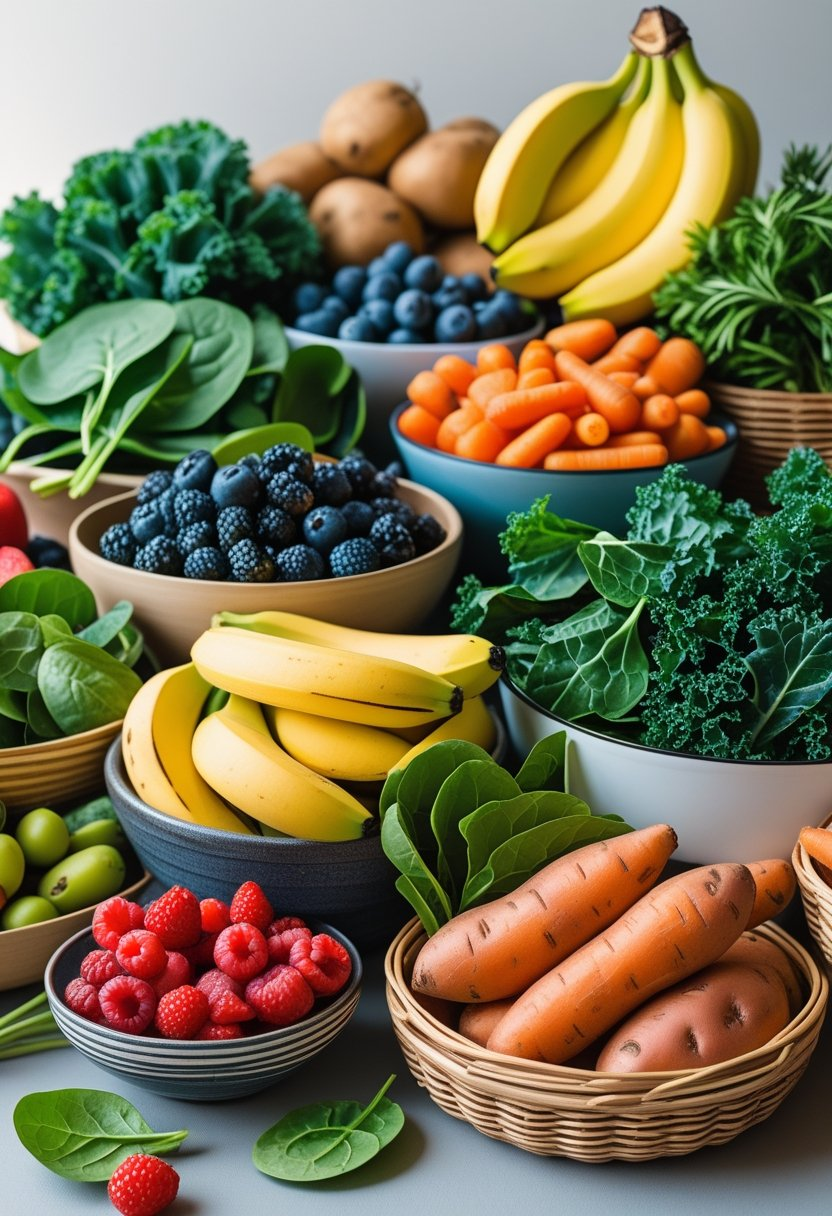
Breastfeeding is a beautiful bonding experience—but it’s also physically demanding. Your body is working overtime to nourish your baby while recovering from pregnancy and delivery. That’s why choosing the right foods while breastfeeding isn’t about dieting or restrictions—it’s about fueling your body with the nutrients it needs to thrive.
In this complete guide on Foods to Eat While Breastfeeding: Best Nutrition for Mom & Baby, we’ll cover the best foods to support milk production, boost your energy, strengthen immunity, and promote your baby’s healthy growth—without complicated rules or stress.
Why Nutrition Matters During Breastfeeding
When you breastfeed, your baby gets nutrients directly from you. While your body is incredibly resilient and prioritizes milk quality, poor nutrition can leave moms feeling drained, irritable, and depleted.
A balanced breastfeeding diet helps:
- Maintain steady energy levels
- Support healthy milk supply
- Reduce postpartum fatigue
- Improve mood and mental clarity
- Replenish essential nutrients like iron, calcium, and B12
If you’re feeling constantly tired or foggy, it may help to review signs of nutrient deficiencies, such as those discussed in this guide on vitamin B12 deficiency.
Best Foods to Eat While Breastfeeding for Optimal Nutrition
1. Lean Proteins for Milk Production and Recovery
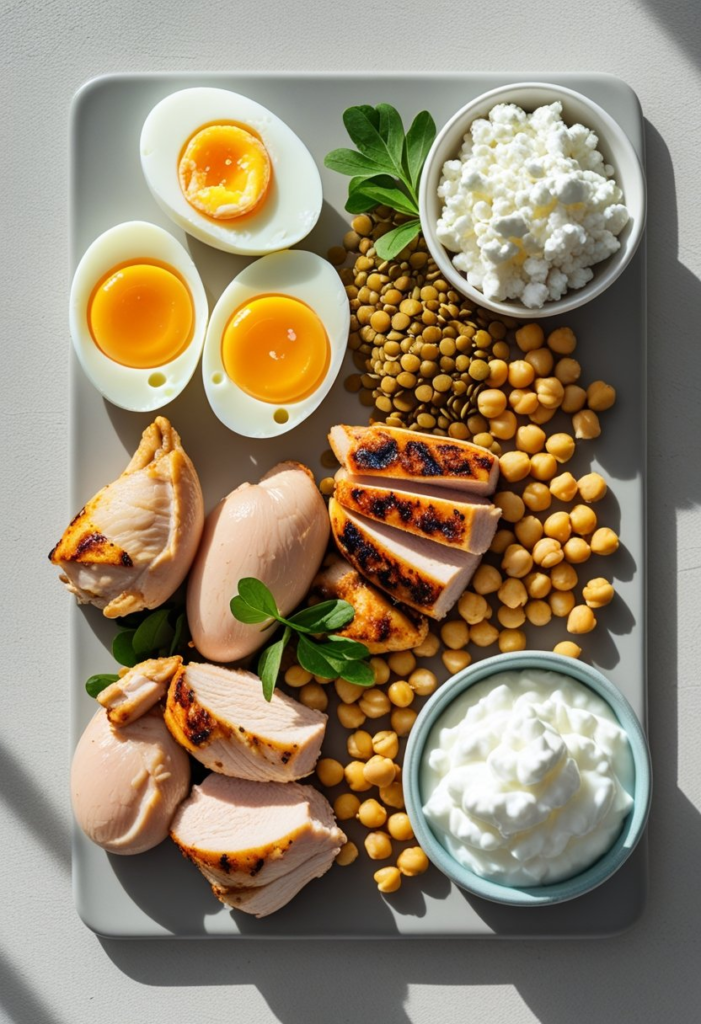
Protein is essential for tissue repair and milk production. Aim to include protein at every meal.
Best protein sources include:
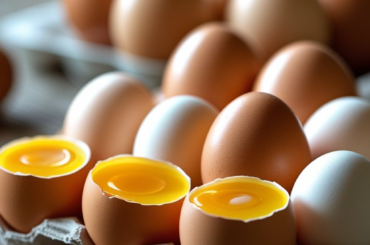
- Eggs
- Chicken and turkey
- Lentils and chickpeas
- Greek yogurt
- Cottage cheese
Cottage cheese is especially helpful for breastfeeding moms due to its calcium and protein content. Try easy meal ideas from these high-protein cottage cheese recipes.
2. Whole Grains for Sustained Energy
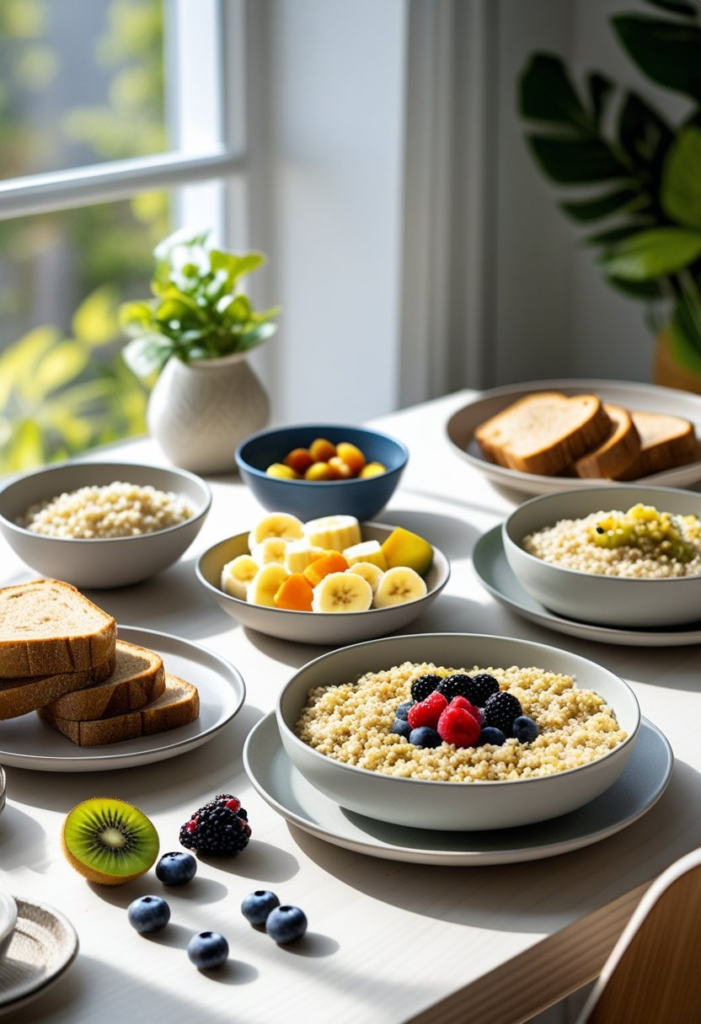
Breastfeeding burns extra calories, and refined carbs won’t cut it. Whole grains provide steady energy and support digestion.
Top whole grains to include:
- Oats (great for milk supply)
- Brown rice
- Quinoa
- Whole wheat bread
Oats also pair perfectly with nutritious breakfasts—check out these healthy breakfast recipes for busy mornings that work well for new moms.
3. Fruits and Vegetables for Vitamins and Hydration
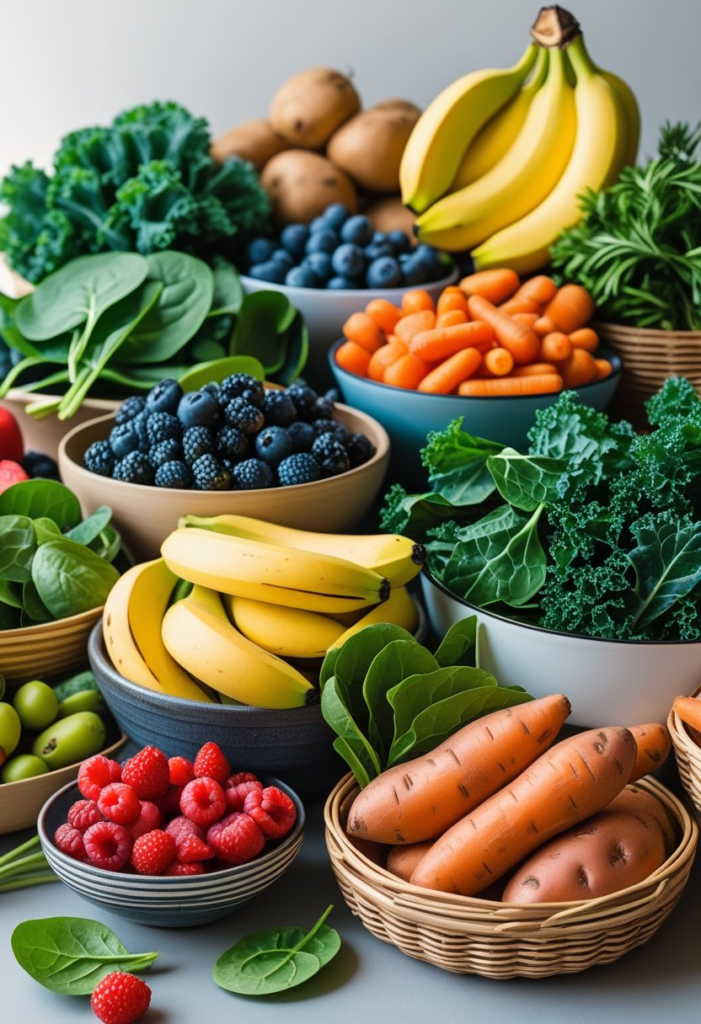
Colorful fruits and vegetables supply vitamins, antioxidants, and fiber that support immunity and digestion.
Excellent choices include:
- Spinach and kale
- Sweet potatoes
- Carrots
- Apples and berries
- Bananas
Bananas are gentle on the stomach and help prevent digestive discomfort. If you’re experiencing bloating or gas, these fast gas relief remedies can be helpful alongside dietary changes.
4. Healthy Fats for Baby’s Brain Development
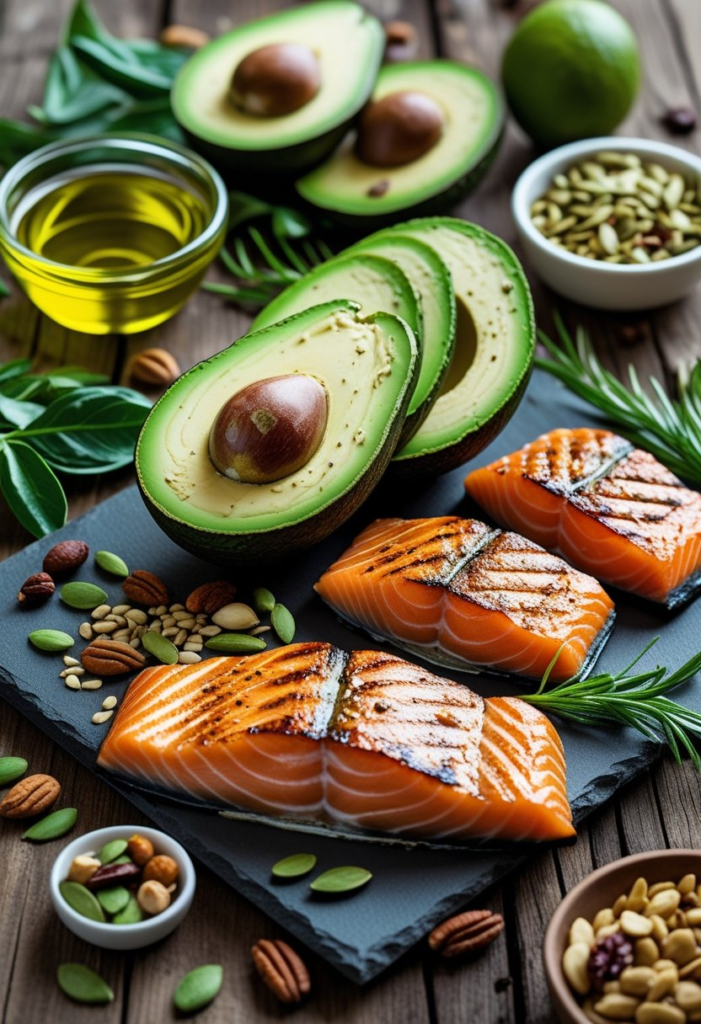
Healthy fats are crucial for your baby’s brain and nervous system development.
Best fat sources:
- Avocados
- Olive oil
- Nuts and seeds
- Fatty fish like salmon (2–3 times weekly)
Omega-3 fats also support heart health. Including foods that naturally reduce inflammation may help overall wellness—similar to foods featured in these anti-inflammatory dinner recipes.
5. Iron-Rich Foods to Prevent Fatigue
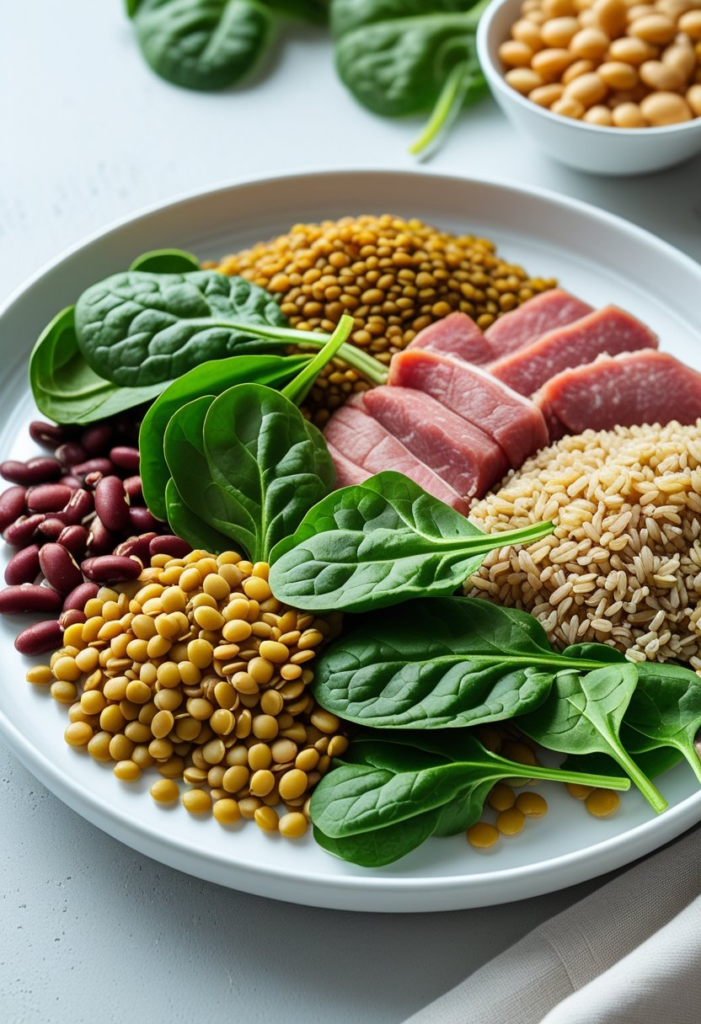
Many breastfeeding moms experience low iron, especially after delivery. Iron supports oxygen flow and energy levels.
Iron-rich foods include:
- Lean red meat
- Spinach
- Lentils
- Beans
- Fortified cereals
For a complete list, explore these iron-rich foods that can easily fit into a breastfeeding diet.
6. Calcium-Rich Foods for Bone Health
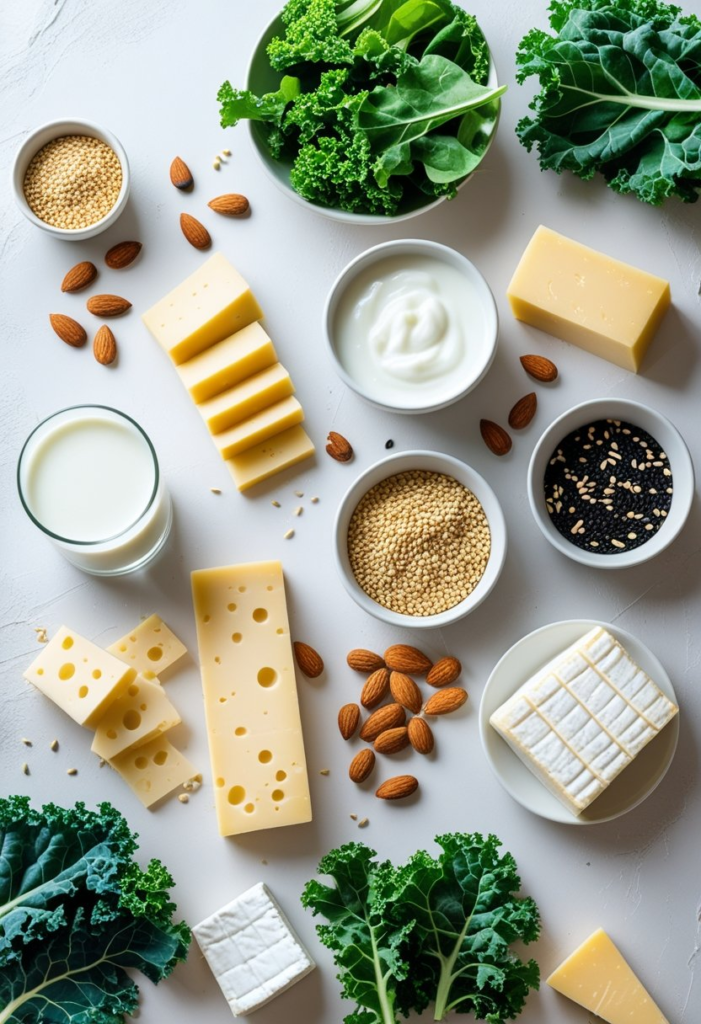
Your body will pull calcium from your bones if dietary intake is low—so it’s important to replenish it daily.
Best calcium sources:
- Milk and yogurt
- Cheese
- Almonds
- Sesame seeds
- Leafy greens
Dairy-free moms can still meet calcium needs through fortified plant milk and seeds.
7. Hydrating Foods and Fluids
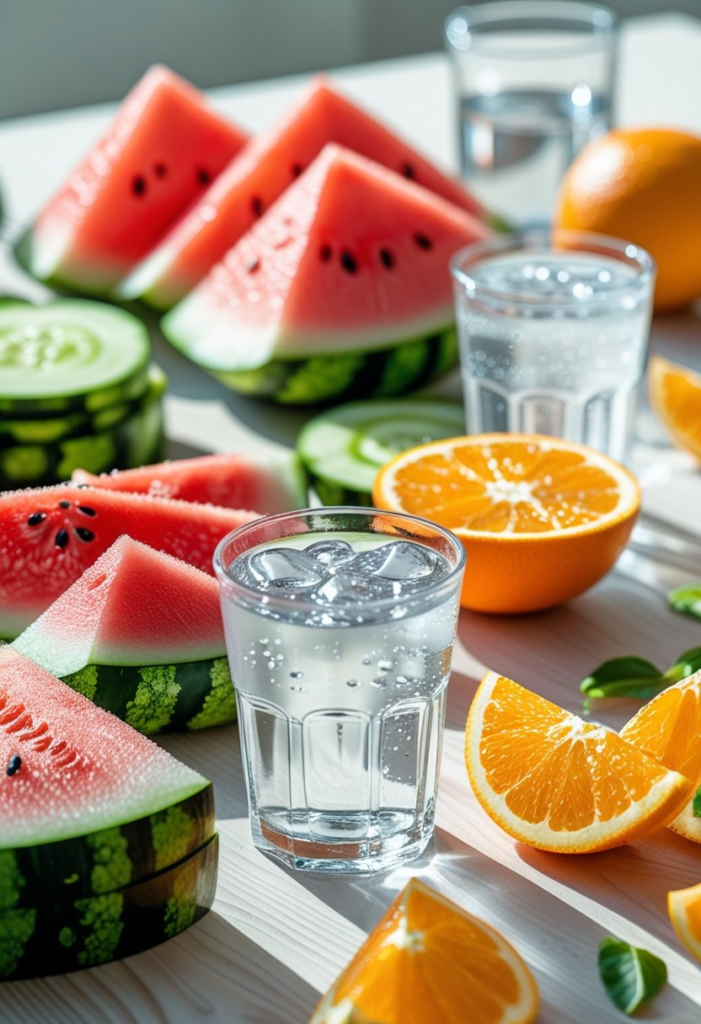
Breastfeeding increases your fluid needs significantly. While water is essential, hydrating foods also help.
Hydration-boosting foods include:
- Cucumbers
- Watermelon
- Oranges
- Soups and broths
If digestion feels off, gentle meals like those in this guide to foods to eat with an upset stomach can help while keeping hydration in check.
Foods to Limit While Breastfeeding
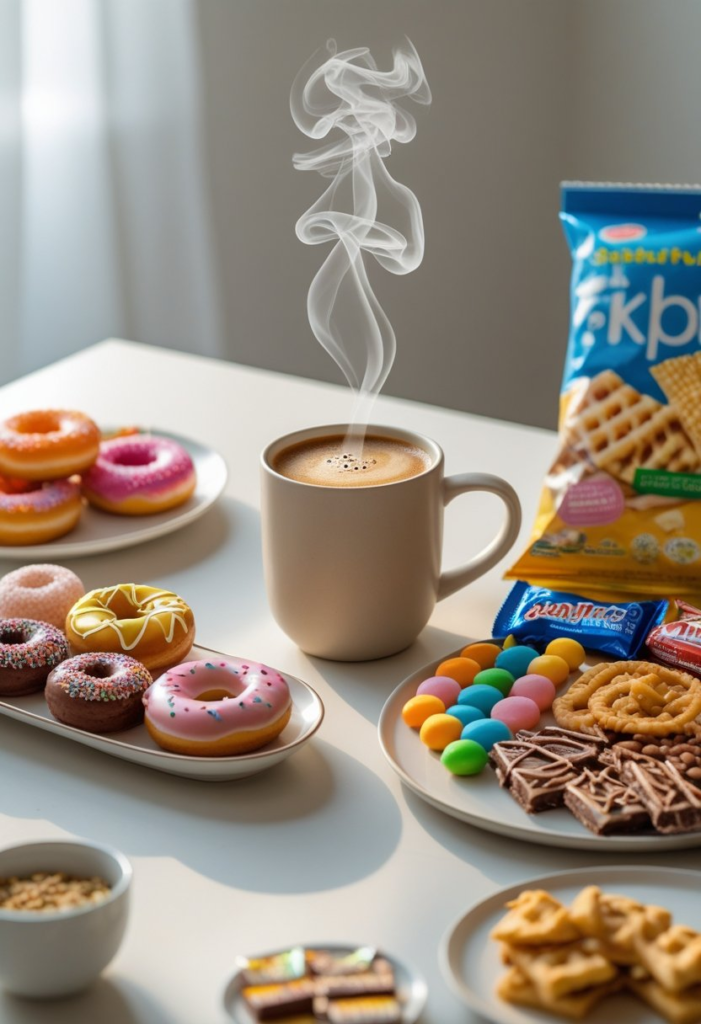
While no foods are completely off-limits, moderation is key.
Caffeine
Limit caffeine to 1–2 cups daily, as excess caffeine may cause fussiness or poor sleep in babies.
Highly Processed Foods
These offer little nutrition and can increase fatigue and digestive discomfort.
Alcohol
Occasional intake may be safe with proper timing, but frequent consumption is best avoided.
Simple Meal Ideas for Breastfeeding Moms
Keeping meals simple and nourishing is essential during this busy phase.
Easy ideas include:
- Oatmeal with fruit and nuts
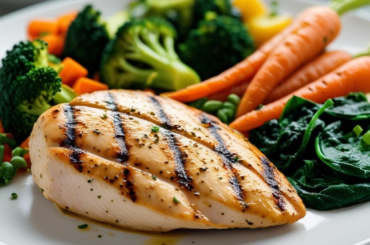
- Grilled chicken with vegetables
- Smoothies with yogurt, banana, and seeds
- Lentil soup with whole-grain bread
If cooking feels overwhelming, browse these easy dinner ideas designed for busy schedules.
Can Breastfeeding Help with Weight Loss?
Breastfeeding naturally burns extra calories, but extreme calorie restriction can harm milk supply and energy.
Focus instead on balanced meals, similar to approaches used in clean eating recipes that prioritize whole, nourishing foods over strict dieting.
FAQs
Do Certain Foods Increase Milk Supply?
Foods like oats, leafy greens, and adequate protein support milk production, but hydration and frequent feeding matter most.
Should I Avoid Spicy Foods?
Most babies tolerate spices well. Only avoid foods if you notice consistent reactions.
Do Babies Get Gassy from Mom’s Diet?
Sometimes—but often gas is normal. If digestive issues persist, adjusting fiber intake and using gentle remedies may help.
Final Thoughts
Eating well while breastfeeding isn’t about perfection—it’s about consistency, nourishment, and self-care. When you prioritize whole foods, hydration, and balance, you’re giving your baby an incredible nutritional foundation while protecting your own health.
This guide to Foods to Eat While Breastfeeding: Best Nutrition for Mom & Baby is your reminder that a well-fed mom is a healthier, happier mom—and that benefits everyone.