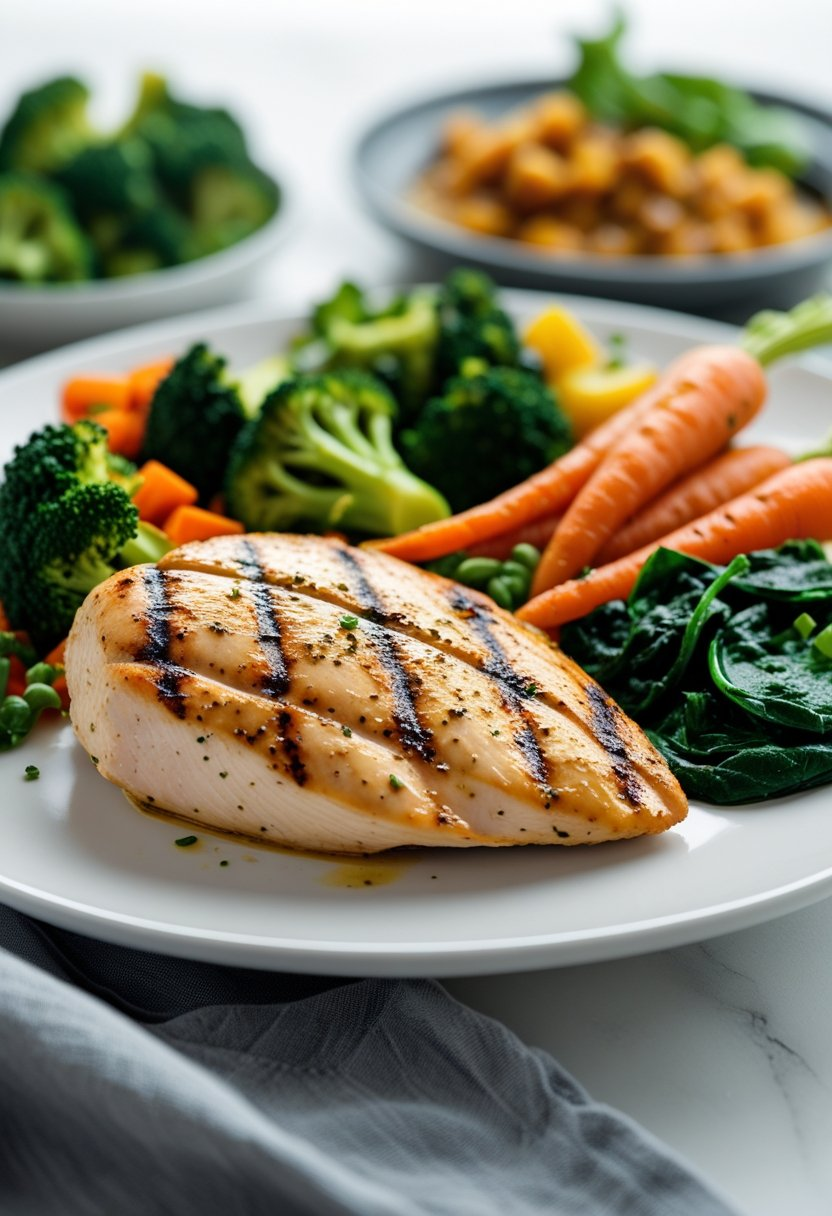
Periods can be physically and emotionally challenging for many women. Bloating, cramps, fatigue, mood swings, and cravings are common symptoms during this time. What you eat can significantly impact how you feel. Certain foods can alleviate discomfort, improve energy levels, and support hormonal balance, while others can worsen symptoms.
This guide will cover 17 foods to eat when in your period (+ foods to avoid), along with practical tips to optimize your diet during menstruation.
Why Diet Matters During Your Period
What you eat during your period affects your energy, mood, and overall well-being. A diet rich in nutrients can:
- Reduce menstrual cramps
- Minimize bloating
- Boost mood and focus
- Maintain stable blood sugar levels
Avoiding processed, salty, or sugary foods can help prevent water retention, inflammation, and energy crashes. For additional healthy eating guidance, see clean-eating recipes.
17 Foods to Eat When in Your Period
1. Leafy Greens
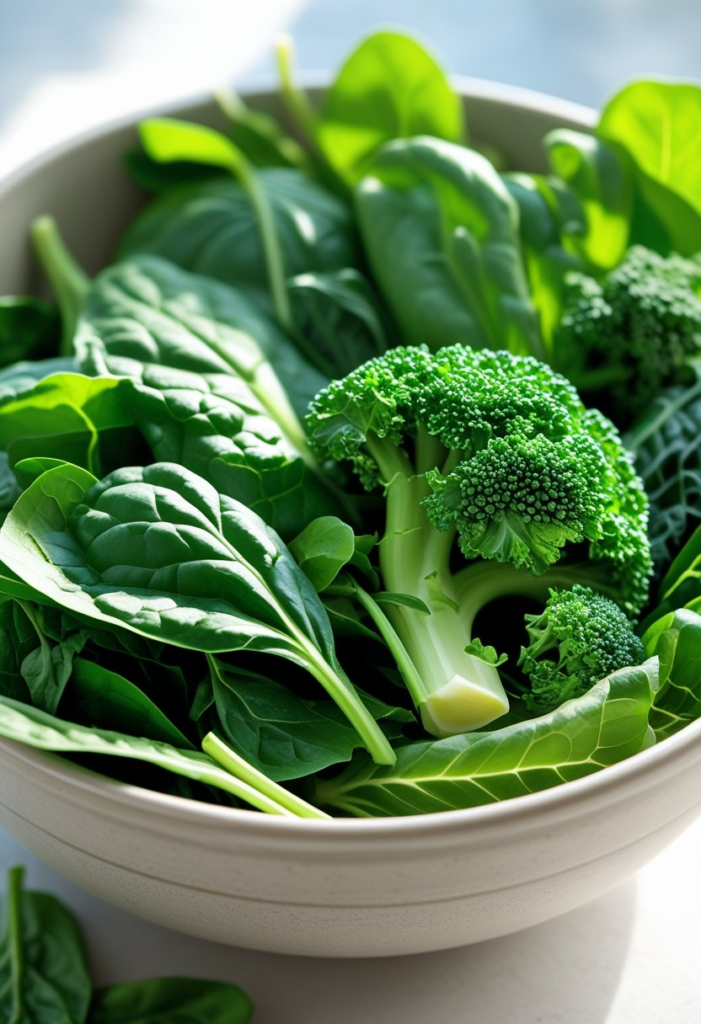
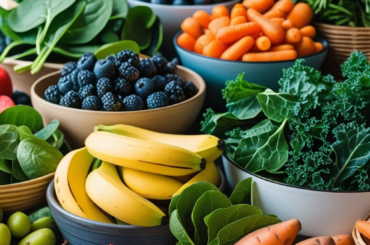
Spinach, kale, and Swiss chard are high in iron, magnesium, and calcium. Iron is especially important as menstruation can cause temporary iron loss. Magnesium helps ease cramps.
For boosting iron naturally, check 19 iron-rich foods.
2. Salmon and Fatty Fish
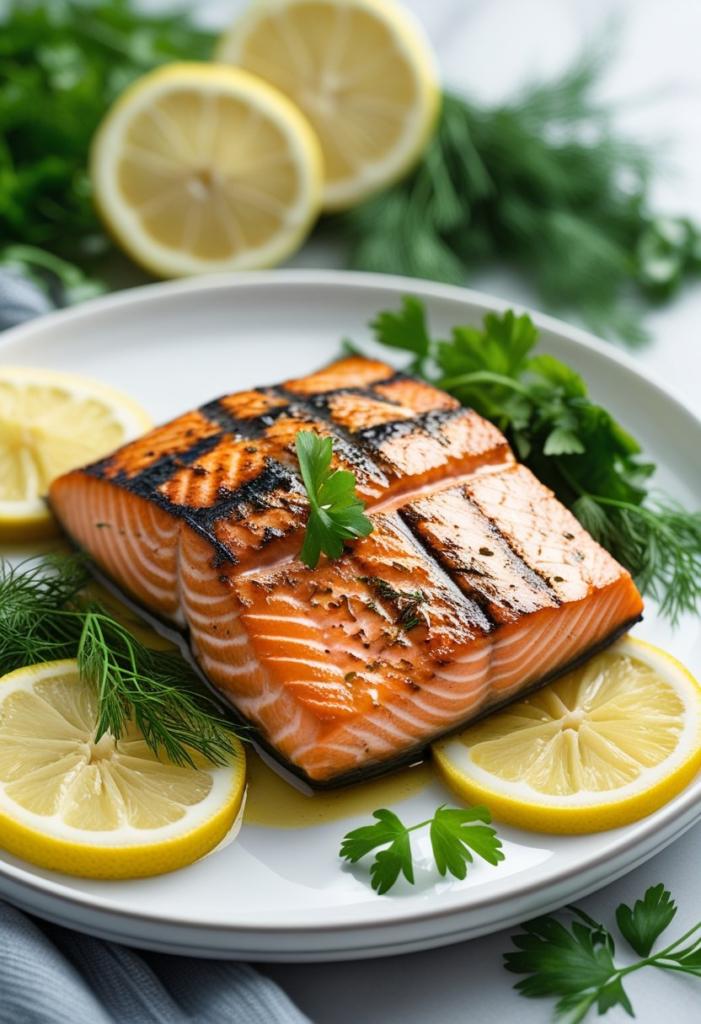
Rich in omega-3 fatty acids, salmon and mackerel reduce inflammation, which can help with cramps and lower menstrual pain.
3. Dark Chocolate
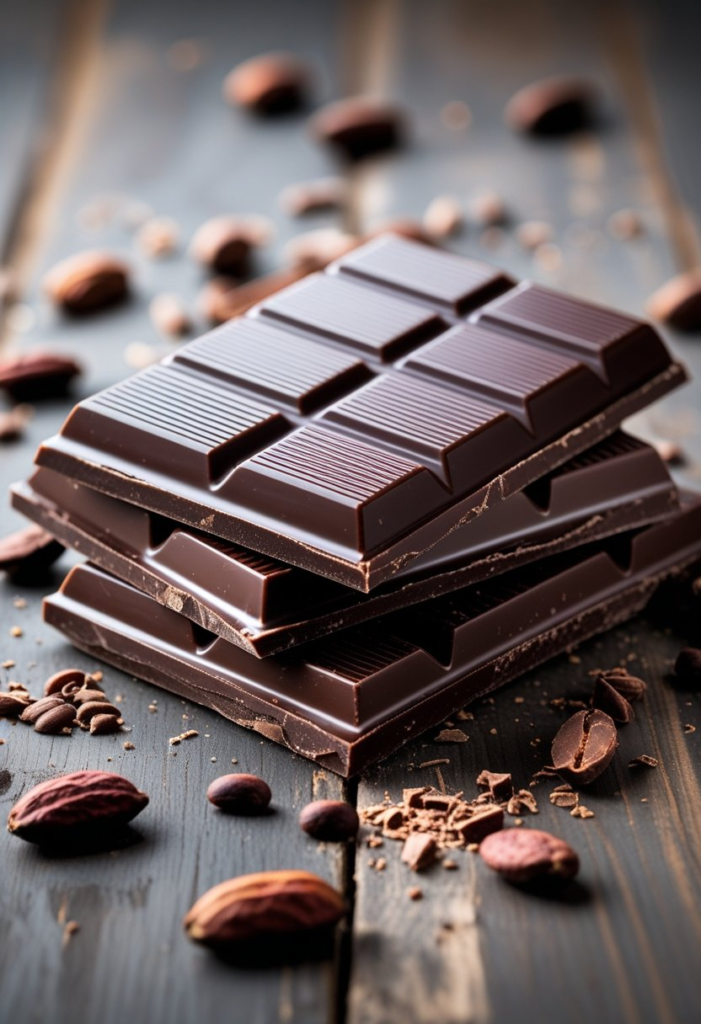
Contains magnesium and antioxidants, which can relieve mood swings and cravings. Opt for 70% cocoa or higher to minimize sugar intake.
For natural sweet alternatives, explore clean-eating recipes.
4. Yogurt
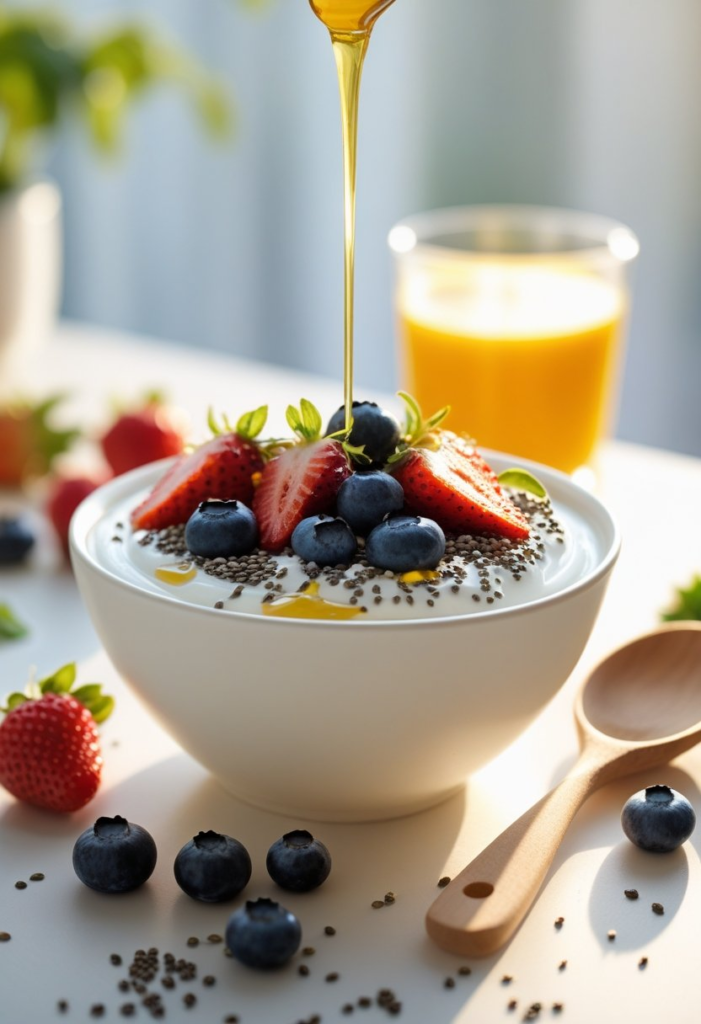
Yogurt is a good source of calcium and probiotics. Calcium reduces muscle tension and cramps, while probiotics support gut health, which can be affected by hormonal changes.
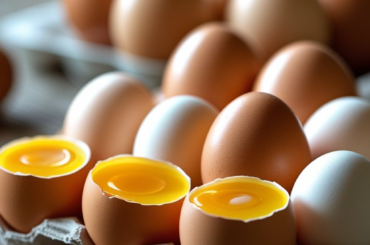
5. Eggs
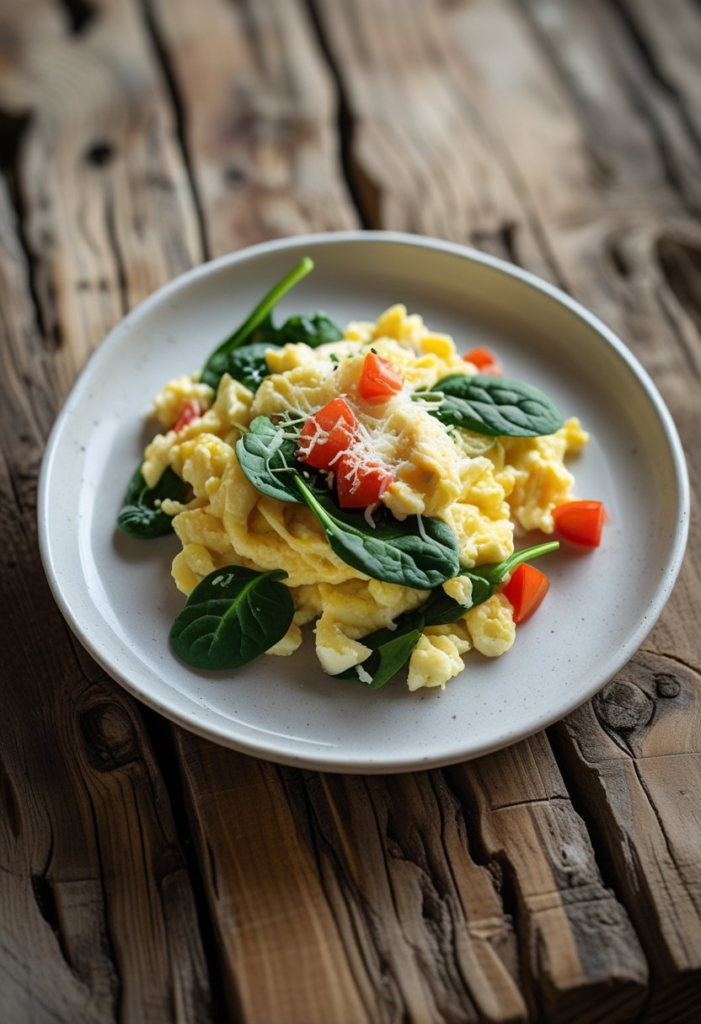
Eggs are rich in protein and vitamin B12, which can help reduce fatigue. Pair with leafy greens for a balanced meal. For more vitamin B12-rich options, see high vitamin B12 foods.
6. Bananas
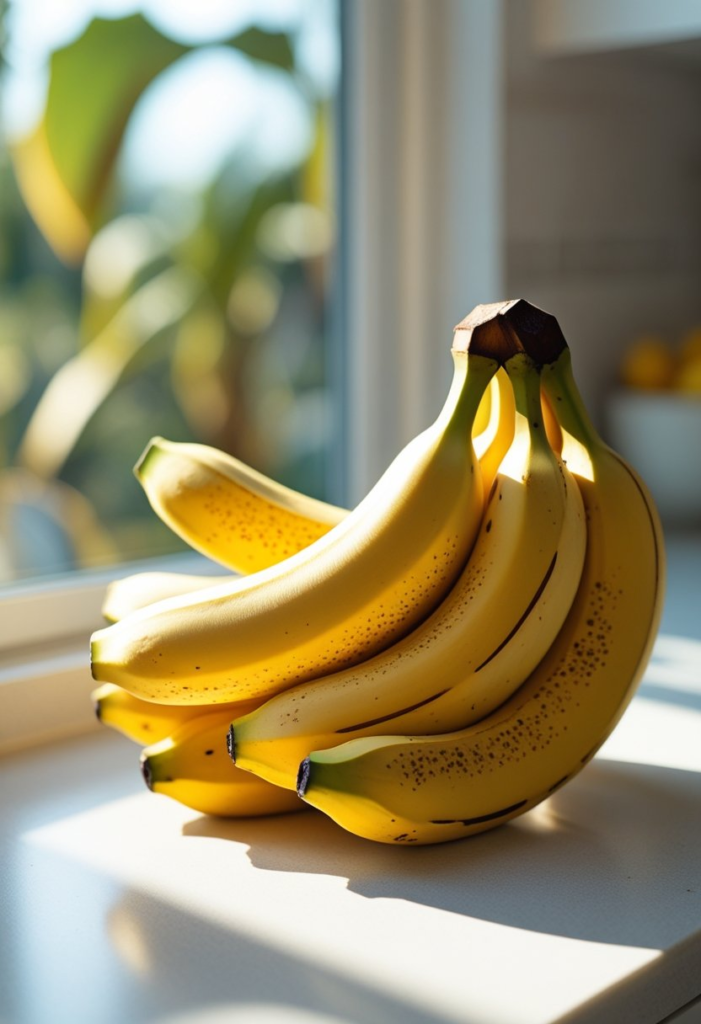
High in potassium, bananas reduce bloating and water retention. They also provide quick energy to counter fatigue.
7. Nuts and Seeds

Almonds, walnuts, flaxseeds, and chia seeds provide healthy fats and magnesium, which help reduce cramps and support hormonal balance.
8. Ginger

Ginger has anti-inflammatory properties that relieve cramps and nausea. Brew as tea or add to meals.
9. Turmeric
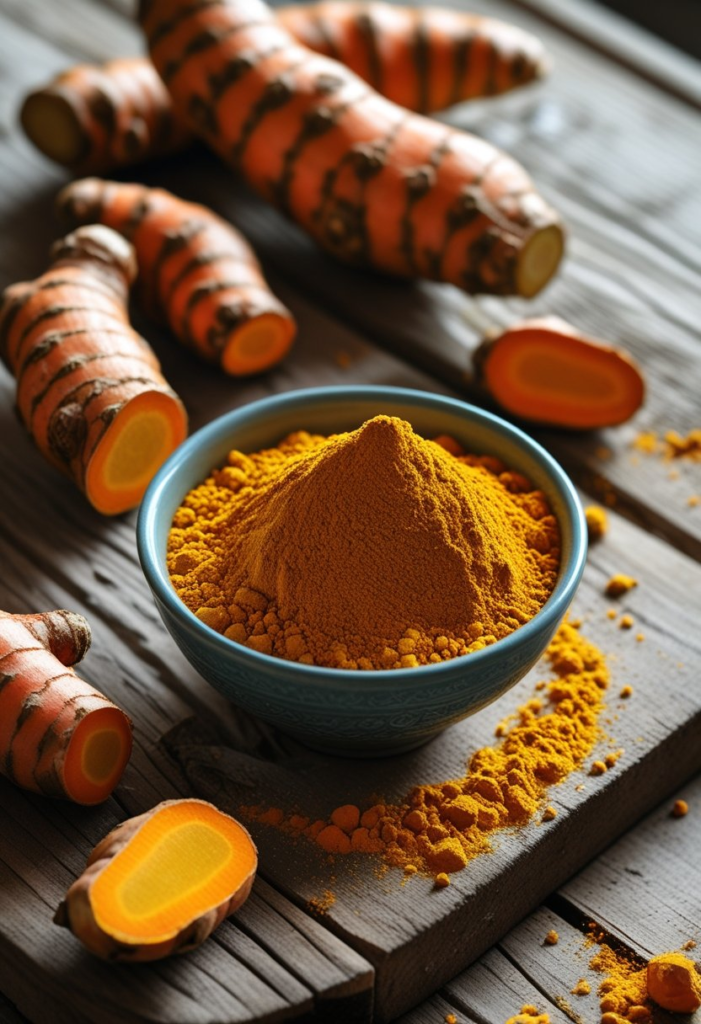
Curcumin, the active compound in turmeric, reduces inflammation and pain. Add to soups, rice, or smoothies.
10. Berries
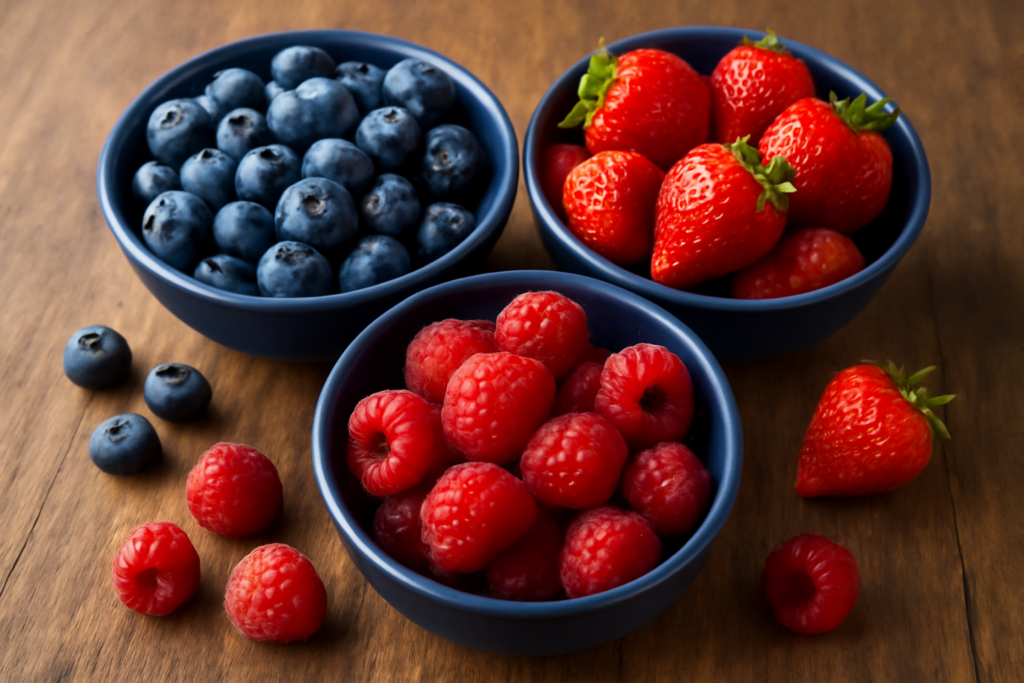
Strawberries, blueberries, and raspberries are rich in antioxidants, which reduce oxidative stress and inflammation. They also help satisfy sweet cravings healthily.
11. Oats
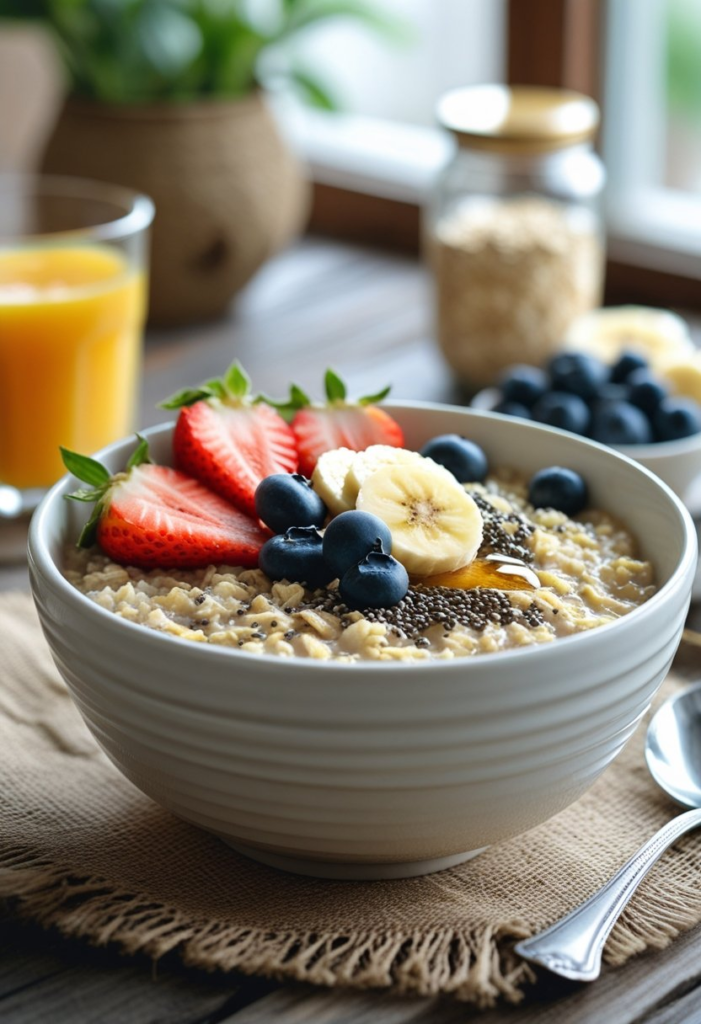
Oats are rich in fiber and help stabilize blood sugar. They also contain B vitamins, which support energy and mood.
12. Lean Meats
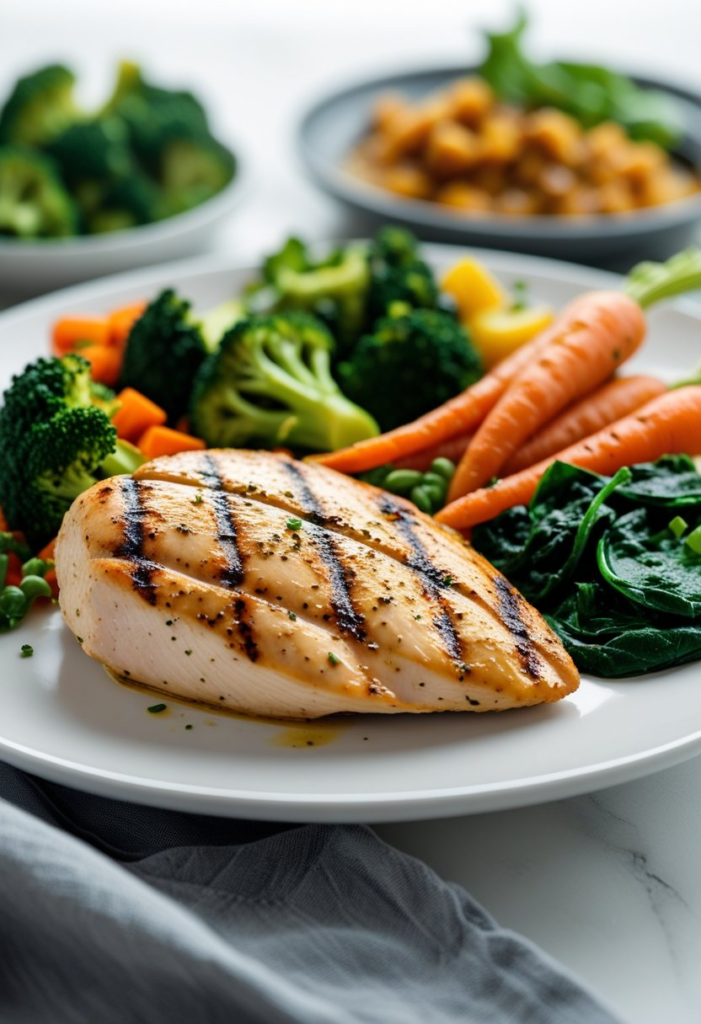
Chicken and turkey provide protein and iron, helping prevent fatigue and weakness caused by menstrual blood loss.
13. Watermelon
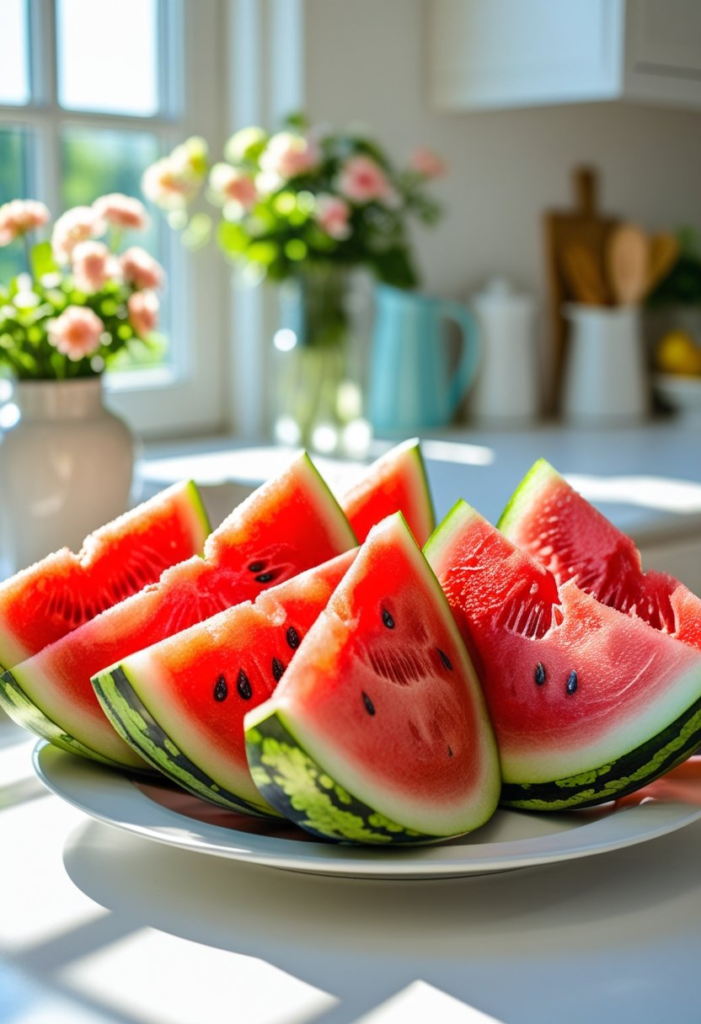
Hydrating fruits like watermelon prevent dehydration, reduce bloating, and help flush out excess sodium.
14. Whole Grains
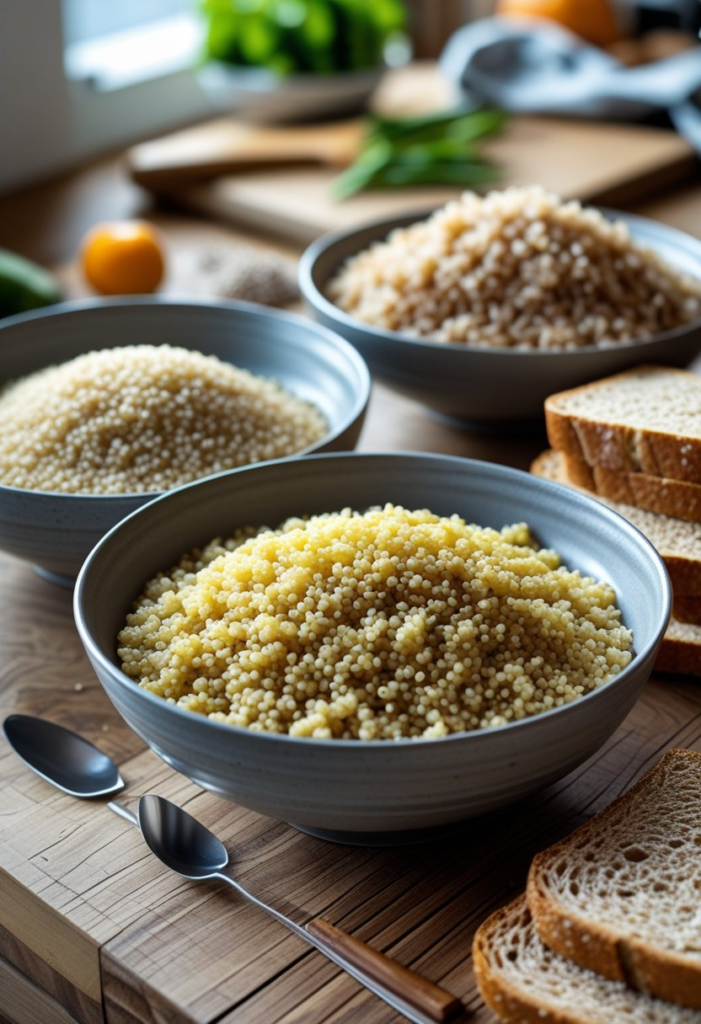
Brown rice, quinoa, and whole wheat provide magnesium, B vitamins, and fiber, which improve digestion and reduce bloating.
15. Herbal Teas
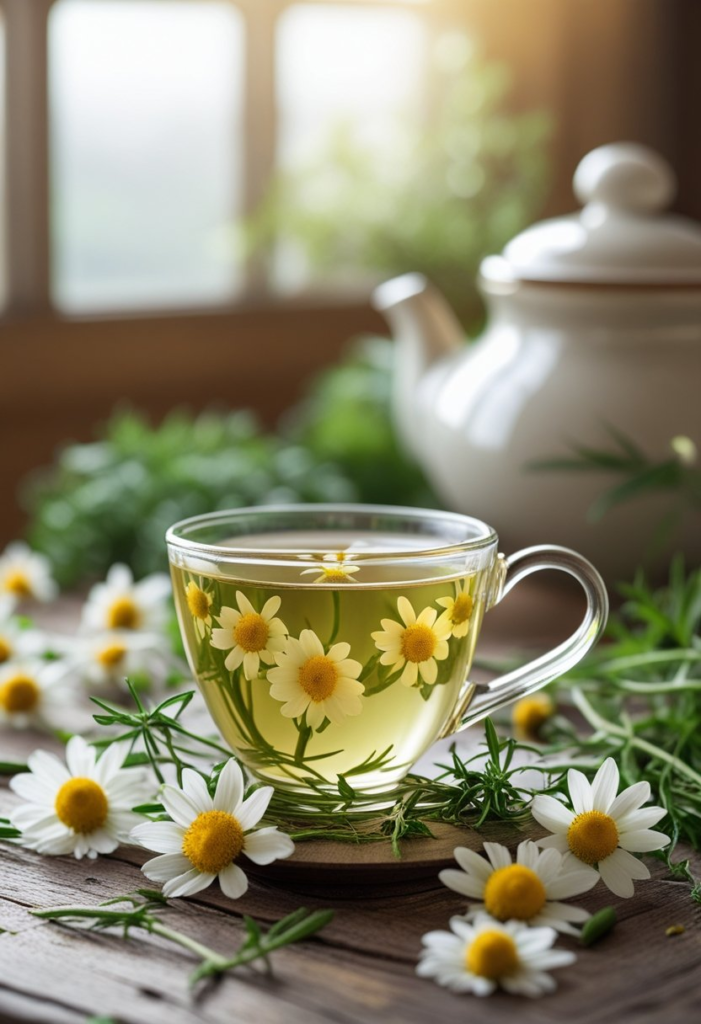
Chamomile, peppermint, and fennel teas soothe cramps, reduce bloating, and promote relaxation.
For digestive relief, see fast gas relief remedies.
16. Beans and Legumes
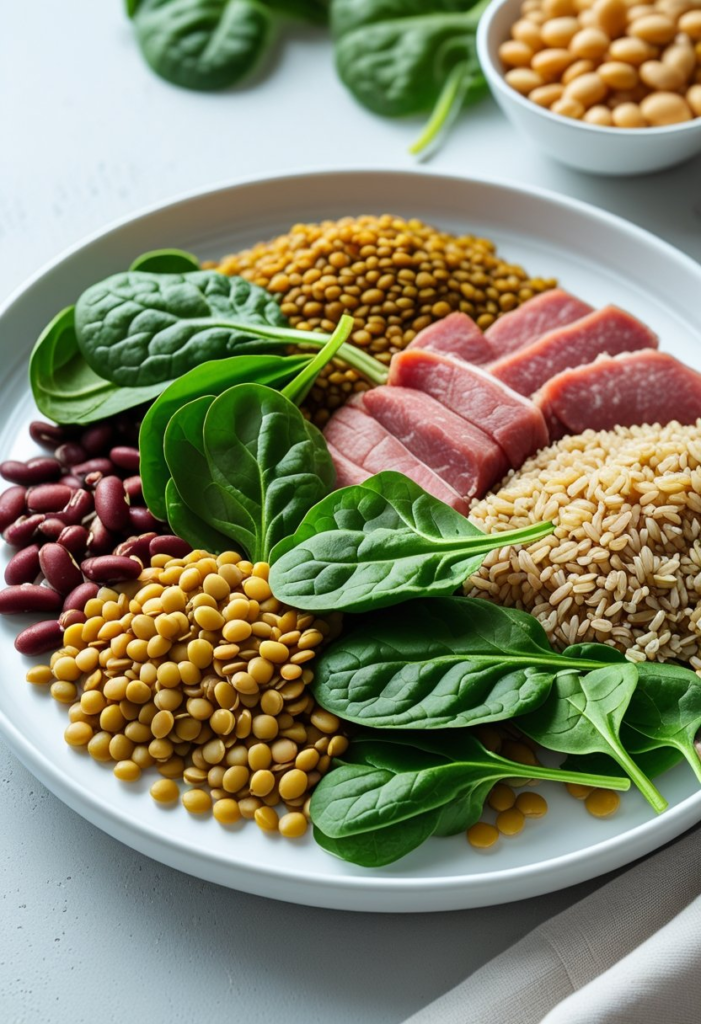
Lentils, chickpeas, and black beans are rich in iron, protein, and fiber, which help sustain energy and prevent bloating.
17. Avocado

Avocados are loaded with healthy fats, potassium, and magnesium. They help reduce inflammation and maintain electrolyte balance.
Foods to Avoid During Your Period
While some foods ease period symptoms, others can worsen them. Consider limiting:
- Salty foods: Increase bloating and water retention
- Sugary snacks: Spike blood sugar and worsen mood swings
- Caffeine: Can heighten anxiety and worsen cramps
- Alcohol: Increases bloating and dehydration
- Processed and fried foods: Promote inflammation and fatigue
For more on avoiding unhealthy choices, see best foods to eat when sick with a cold or flu, which covers gentle foods for body balance.
Meal Ideas Incorporating These Foods
Breakfast
- Oatmeal with berries, flaxseeds, and a spoon of yogurt
- Scrambled eggs with spinach and avocado
For additional breakfast inspiration, check 20 healthy breakfast recipes for busy mornings.
Lunch
- Grilled salmon salad with leafy greens, avocado, and walnuts
- Lentil soup with whole-grain bread
Snack
- Banana with almond butter
- Dark chocolate squares with berries
Dinner
- Baked chicken with turmeric roasted vegetables
- Quinoa and chickpea bowl with spinach and ginger dressing
For more quick dinner ideas, see easy dinner ideas and summer dinner recipes for busy weeknights.
Benefits of Eating Right During Your Period
- Reduced cramps: Magnesium-rich foods like nuts, seeds, and leafy greens ease uterine contractions.
- Boosted energy: Iron-rich foods like eggs, lean meats, and beans prevent fatigue.
- Mood stabilization: Complex carbs, dark chocolate, and omega-3 fatty acids support neurotransmitters.
- Less bloating: Hydrating fruits and low-sodium foods reduce water retention.
For natural remedies for pain relief, see remedies for toothache pain and natural lea remedies.
Tips for Supporting Menstrual Health
- Stay hydrated: Water reduces bloating and improves circulation.
- Limit processed foods: These contribute to inflammation.
- Exercise lightly: Walking, yoga, or stretching relieves cramps.
- Rest adequately: Sleep is critical for hormone regulation.
- Track your cycle: Awareness helps plan diet and lifestyle adjustments.
For additional wellness tips, see personal growth wellness lifestyle tips.
Foods and Drinks That Help Mood
Hormonal fluctuations during periods can impact mood. Foods that stabilize blood sugar and provide tryptophan help combat mood swings:
- Dark chocolate
- Turkey or chicken
- Oats
- Nuts and seeds
For natural remedies to uplift mood and energy, explore apple cider vinegar, lemon, and baking soda drink.
Quick Snack Ideas
- Yogurt parfait with berries and chia seeds
- Hummus with carrot sticks or celery
- Nut mix with dried fruits
These snacks are easy, nutrient-dense, and reduce cravings for unhealthy foods.
Summary
Eating the right foods during menstruation can significantly impact comfort and overall well-being. By including the 17 foods to eat when in your period (+ foods to avoid) in your diet, you can:
- Reduce cramps and bloating
- Stabilize mood and energy
- Support hormonal balance
- Minimize fatigue
Remember to pair a nutritious diet with hydration, gentle exercise, and adequate rest. Making these small dietary adjustments can make your period smoother and less stressful.