High blood pressure, also known as hypertension, affects millions of people worldwide. If left uncontrolled, it can lead to serious health complications such as heart disease, stroke, and kidney problems. However, one of the most effective ways to manage and even lower blood pressure is through diet. The foods we consume play a significant role in heart health, and certain foods can help maintain a healthy blood pressure level. In this blog post, we will explore the best foods to eat with high blood pressure (heart-healthy) that can help support your cardiovascular system and promote overall well-being.
Why Diet Matters for High Blood Pressure
Before we dive into specific foods, it’s important to understand why diet is so crucial in managing high blood pressure. When your blood pressure is consistently high, your heart has to work harder to pump blood, which can damage your arteries and lead to various complications. Certain nutrients, such as potassium, magnesium, and fiber, help relax the blood vessels and reduce the strain on your heart. On the other hand, foods high in sodium, unhealthy fats, and added sugars can raise blood pressure and contribute to other health issues.
By making heart-healthy food choices, you can improve your blood pressure readings and reduce your risk of cardiovascular disease.
Best Foods to Eat With High Blood Pressure
1. Leafy Greens: A Natural Blood Pressure Regulator
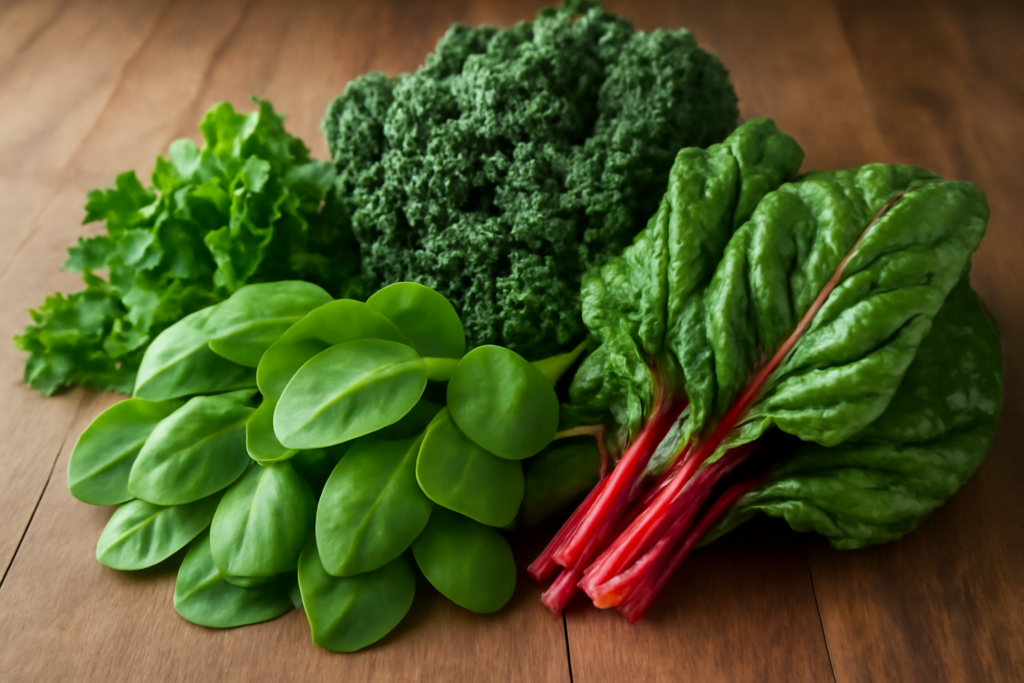
Leafy greens, such as spinach, kale, and Swiss chard, are some of the best foods to eat with high blood pressure. They are rich in potassium, a mineral that helps balance the negative effects of sodium in your body. Potassium helps your kidneys remove excess sodium from your bloodstream, which can lower your blood pressure.
Incorporating these greens into your diet can be easy. Add them to smoothies, soups, salads, or even sauté them as a side dish. Aim for at least one serving of leafy greens daily to reap the full benefits for your blood pressure.
2. Berries: Antioxidants for Heart Health
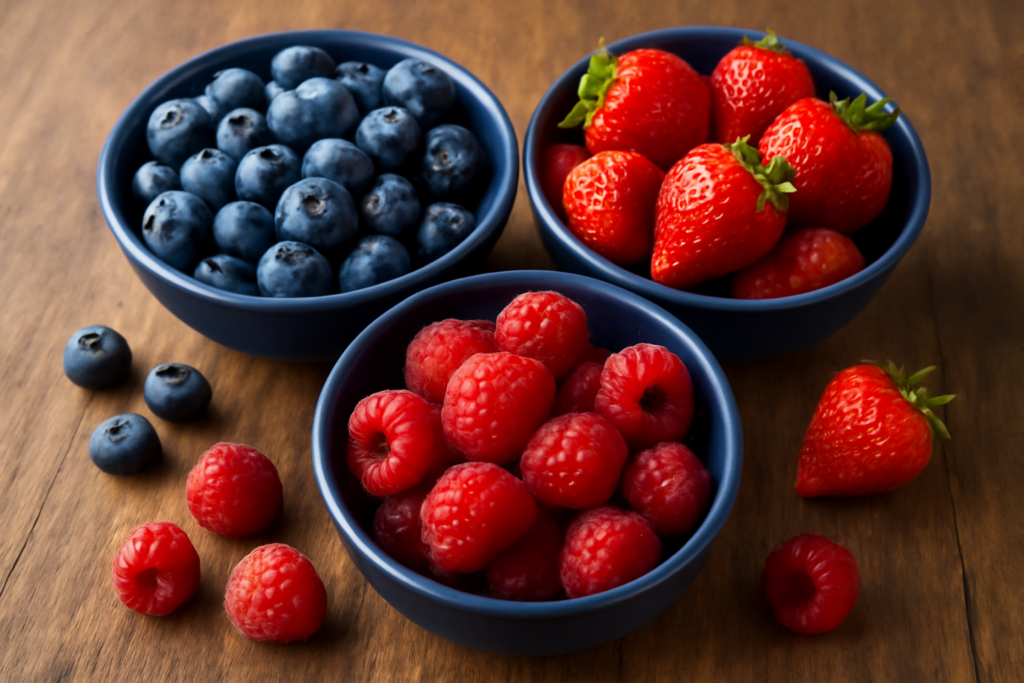
Berries like blueberries, strawberries, and raspberries are not only delicious but also packed with antioxidants called flavonoids. Studies have shown that consuming flavonoid-rich foods can help lower blood pressure by improving blood vessel function and reducing inflammation.
The best way to include berries in your diet is by adding them to your morning yogurt, oatmeal, or smoothie. You can also enjoy them as a snack or mix them into a fruit salad for a heart-healthy treat.
3. Beets: A Powerful Blood Pressure-Lowering Food
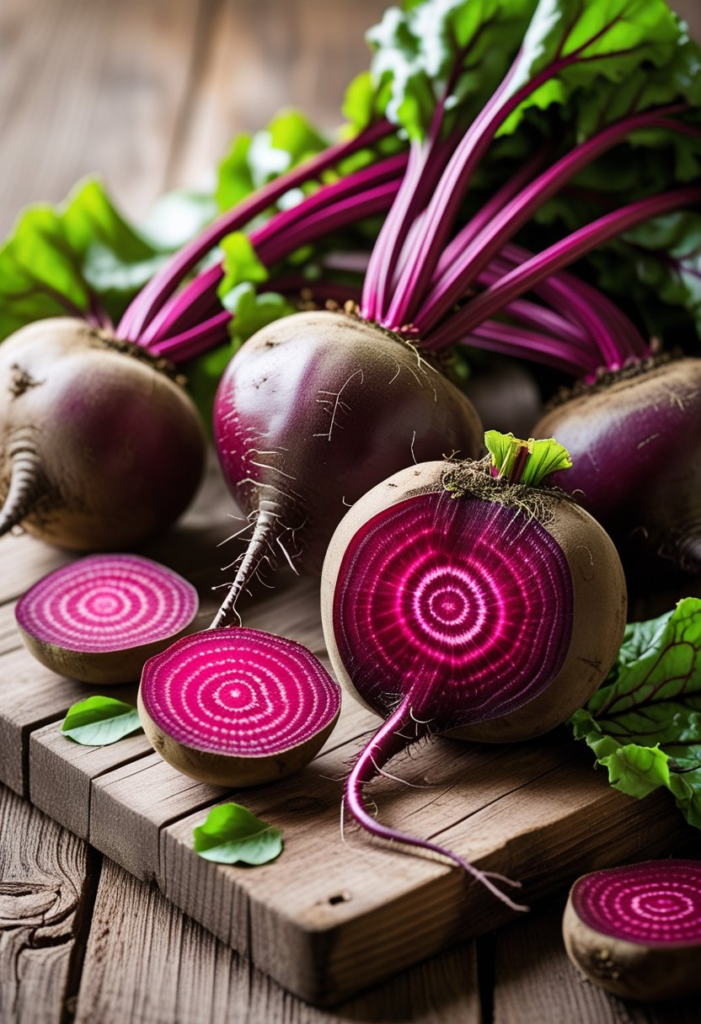
Beets are another heart-healthy food that can help lower blood pressure. They are rich in nitrates, which the body converts into nitric oxide. Nitric oxide helps relax and dilate blood vessels, improving blood flow and reducing blood pressure.
You can enjoy beets in a variety of ways, such as roasting them, adding them to salads, or blending them into a smoothie. For an added boost, try beet juice, which can provide a concentrated amount of nitrates for optimal blood pressure support.
4. Oats: A Heart-Healthy Whole Grain
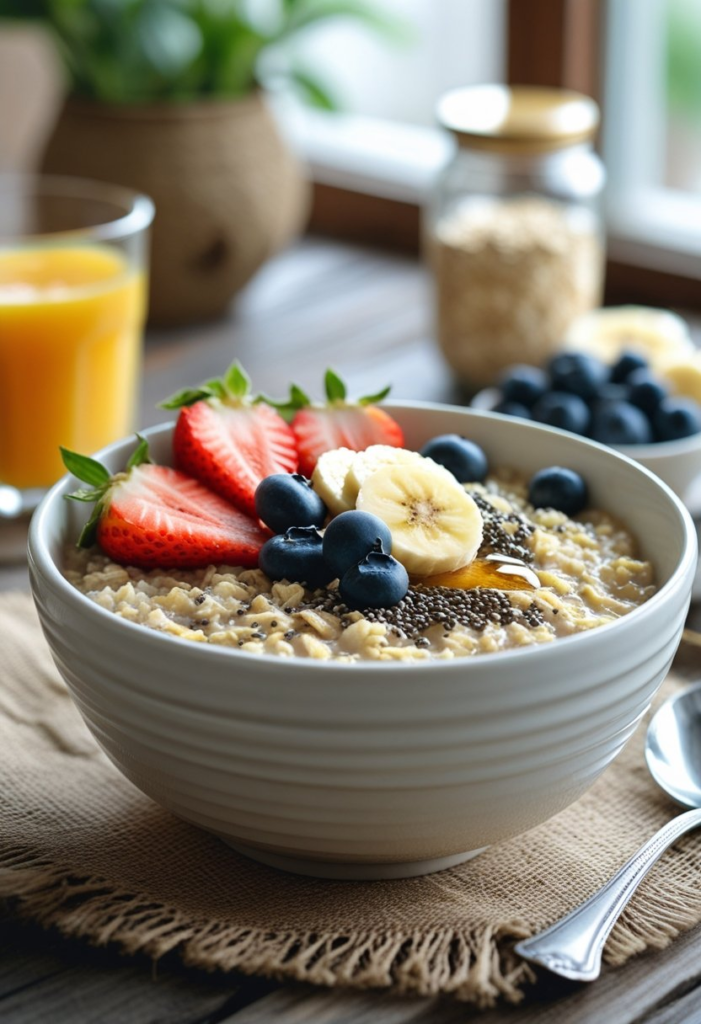
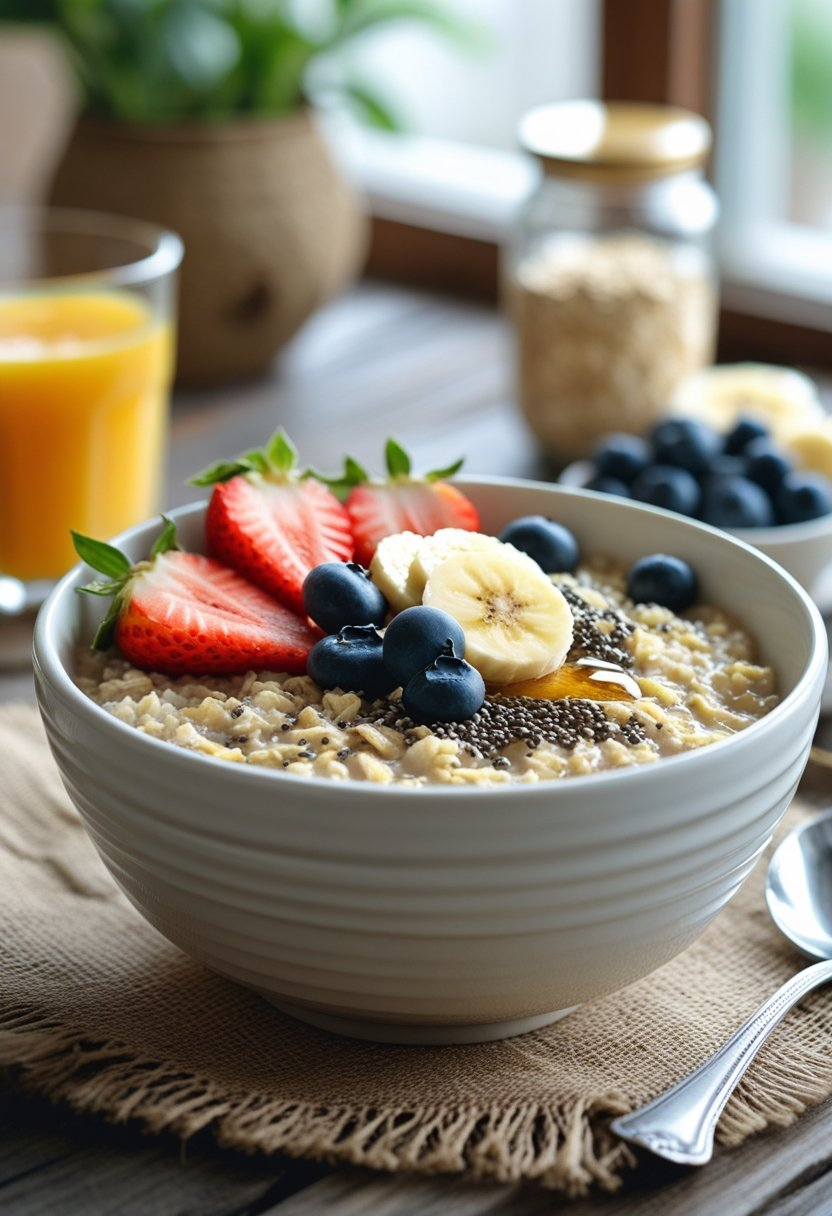
Whole grains like oats are an excellent choice for individuals with high blood pressure. Oats contain soluble fiber, which helps reduce cholesterol levels and improve heart health. The fiber in oats also helps regulate blood sugar levels, which is important for maintaining healthy blood pressure.
Start your day with a bowl of oatmeal or mix oats into smoothies, baked goods, or homemade granola. If you’re looking for a filling and nutritious breakfast, oats are a great option that can keep you energized and support your heart health.
5. Fatty Fish: Omega-3s for a Strong Heart
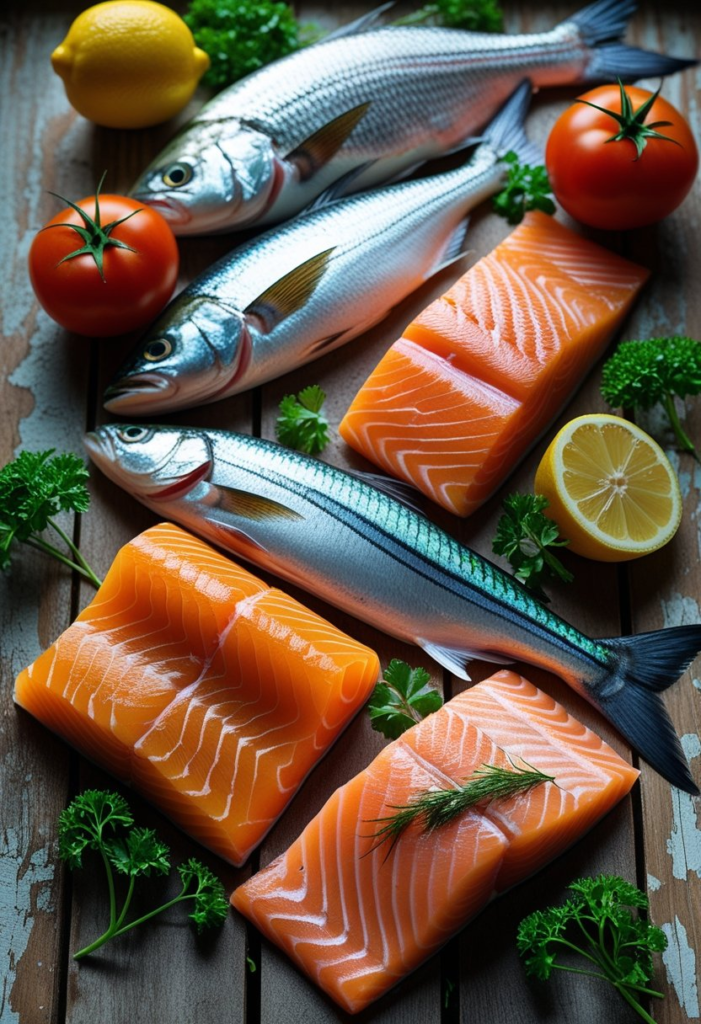
Fatty fish, such as salmon, mackerel, and sardines, are some of the best foods to eat with high blood pressure because they are rich in omega-3 fatty acids. Omega-3s have been shown to lower blood pressure, reduce inflammation, and improve overall heart health. Regular consumption of fatty fish can also help lower triglyceride levels and reduce the risk of heart disease.
Try to include fatty fish in your diet at least two to three times a week. Grilled or baked salmon, mackerel, or sardines can be a tasty and heart-healthy addition to any meal.
6. Avocados: A Nutrient-Packed Superfood
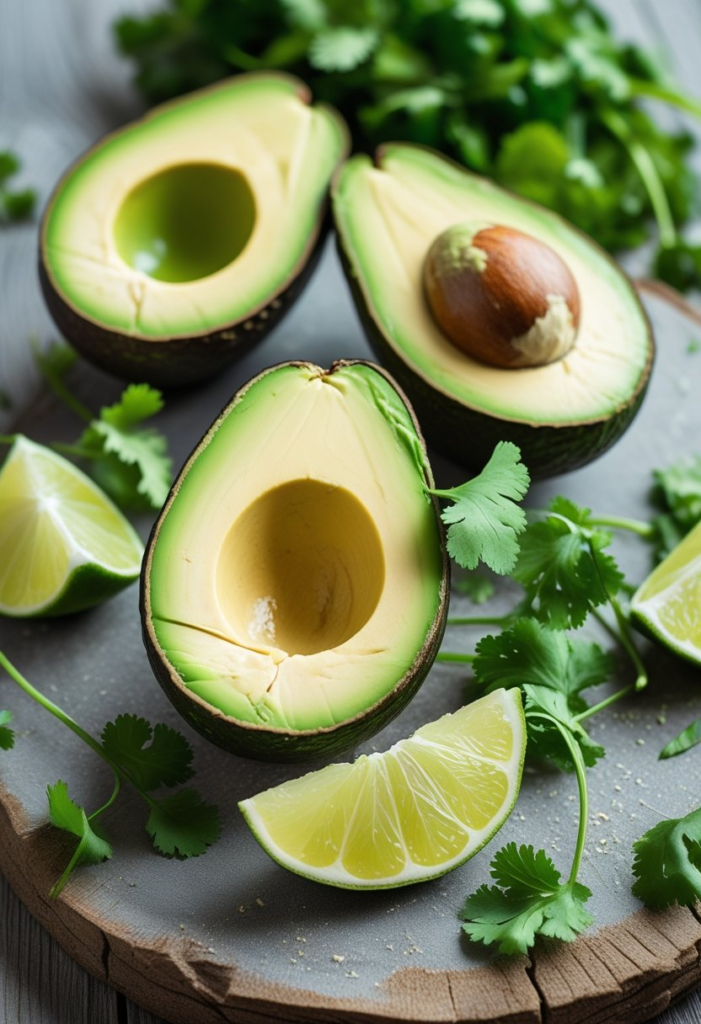
Avocados are rich in healthy monounsaturated fats, potassium, and fiber, making them an excellent choice for individuals with high blood pressure. The potassium content in avocados helps balance sodium levels, while the healthy fats support overall heart health.
You can enjoy avocados in a variety of ways, such as in salads, sandwiches, or on toast. They also make a creamy addition to smoothies and can be used in place of butter or mayonnaise in recipes for a healthier alternative.
7. Beans and Lentils: Plant-Based Protein Power
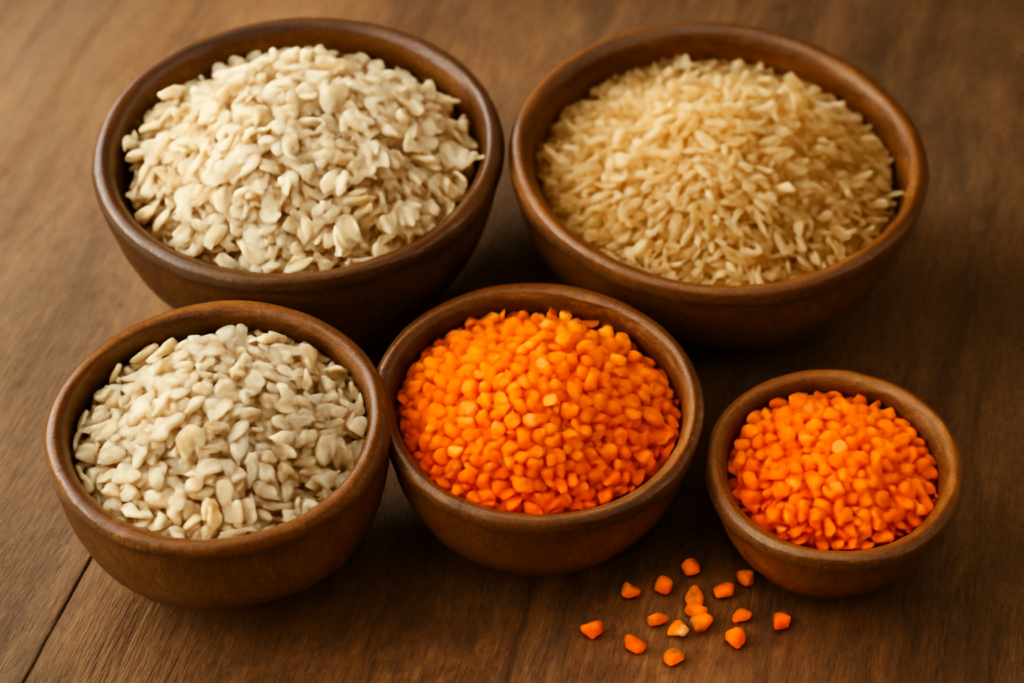
Beans and lentils are excellent plant-based protein sources that are high in fiber and low in fat. They are also rich in potassium and magnesium, two essential minerals that help regulate blood pressure. The fiber in beans and lentils helps improve cholesterol levels and maintain a healthy weight, which can contribute to better heart health.
You can incorporate beans and lentils into your diet by adding them to soups, stews, salads, or wraps. They are a versatile ingredient that can help lower your blood pressure while providing a satisfying and filling meal.
8. Tomatoes: A Heart-Healthy Source of Lycopene
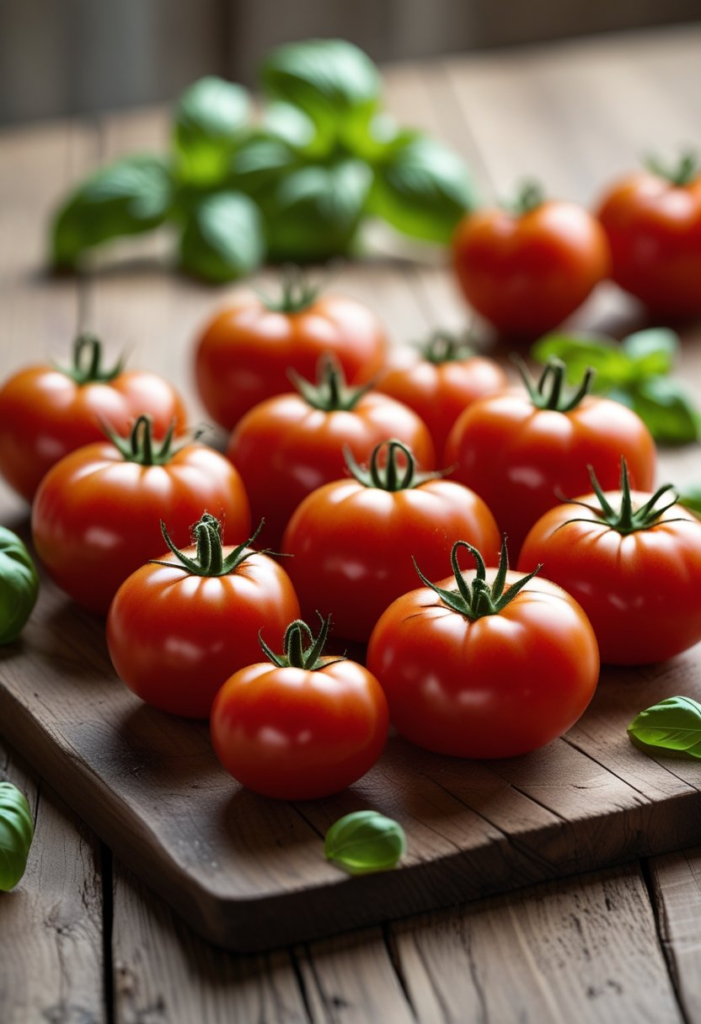
Tomatoes are packed with nutrients that are beneficial for heart health, including potassium, vitamins, and antioxidants like lycopene. Lycopene is a powerful antioxidant that has been shown to reduce blood pressure and improve overall cardiovascular health. Studies have suggested that regular consumption of tomatoes or tomato-based products can help lower systolic blood pressure (the top number).
Tomatoes are incredibly versatile, and you can enjoy them in a variety of ways. Add them to salads, sandwiches, soups, or make a delicious homemade tomato sauce. To maximize the lycopene content, opt for cooked tomatoes, such as in pasta sauces or stews.
9. Garlic: A Natural Blood Pressure Fighter

Garlic has been used for centuries for its medicinal properties, and modern research has shown that it can be a powerful ally in the fight against high blood pressure. Garlic contains allicin, a compound that has been shown to help relax blood vessels and improve blood flow, leading to lower blood pressure.
To incorporate garlic into your diet, add it to soups, salads, stir-fries, or roasted vegetables. You can also enjoy it in the form of garlic supplements, but always consult with your healthcare provider before adding any supplements to your routine.
10. Dark Chocolate: A Sweet Treat for Heart Health

If you have a sweet tooth, you’re in luck! Dark chocolate (with at least 70% cocoa content) can be a heart-healthy treat that may help lower blood pressure. Dark chocolate contains flavonoids, which can improve blood vessel function and promote better blood circulation.
While it’s important to consume dark chocolate in moderation due to its calorie content, a small piece of dark chocolate can satisfy your cravings while offering potential benefits for your heart health.
Lifestyle Tips for Managing High Blood Pressure
In addition to incorporating the best foods to eat with high blood pressure, certain lifestyle changes can help you manage and lower your blood pressure effectively. Here are some tips to support your heart health:
- Exercise Regularly: Engage in physical activities like walking, swimming, or cycling for at least 30 minutes most days of the week.
- Reduce Sodium Intake: Limit your intake of processed and salty foods, as sodium can raise blood pressure.
- Maintain a Healthy Weight: Being overweight can put extra strain on your heart, so aim to maintain a healthy weight through diet and exercise.
- Limit Alcohol and Caffeine: Both alcohol and caffeine can raise blood pressure, so consume them in moderation.
- Manage Stress: Practice relaxation techniques such as meditation, deep breathing, or yoga to reduce stress levels.
For more information on managing blood pressure, check out how to lower blood pressure quickly, which offers helpful tips for a fast and effective approach.
Conclusion
Incorporating heart-healthy foods into your diet is a powerful way to manage high blood pressure and promote overall cardiovascular health. The best foods to eat with high blood pressure include leafy greens, berries, beets, oats, fatty fish, avocados, beans, tomatoes, garlic, and dark chocolate. By making these foods a regular part of your meals, along with adopting a healthy lifestyle, you can take proactive steps toward lowering your blood pressure and improving your heart health.
If you’re looking for more tips on healthy eating, explore our healthy breakfast recipes for busy mornings and discover other nutritious ways to support your health every day.