Migraines can stop you in your tracks—throbbing pain, sensitivity to light, nausea, and the feeling that even the slightest sound might push you over the edge. Whether you experience migraines occasionally or deal with them regularly, finding real and fast relief matters. That’s why learning How to Get Rid of a Migraine: 9 Natural Migraine Relief Remedies can empower you to take control of your symptoms in a gentle, effective way.
The good news? You don’t always have to rely on medication alone. Many natural remedies can help soothe the discomfort, reduce inflammation, and support your body’s ability to calm a migraine before it gets worse.
Let’s explore nine powerful natural solutions that you can start using today—paired with helpful wellness resources from across the site to support your overall health.
1. Hydrate and Restore Electrolytes

One of the most overlooked causes of headaches and migraines is dehydration. Even mild dehydration can trigger throbbing discomfort and fatigue. Drinking water is the first step, but adding electrolytes can make a big difference.
Try adding a pinch of sea salt or drinking coconut water to boost minerals. Hydration is also critical for people experiencing symptoms like dizziness or brain fog.
2. Magnesium for Migraine Prevention
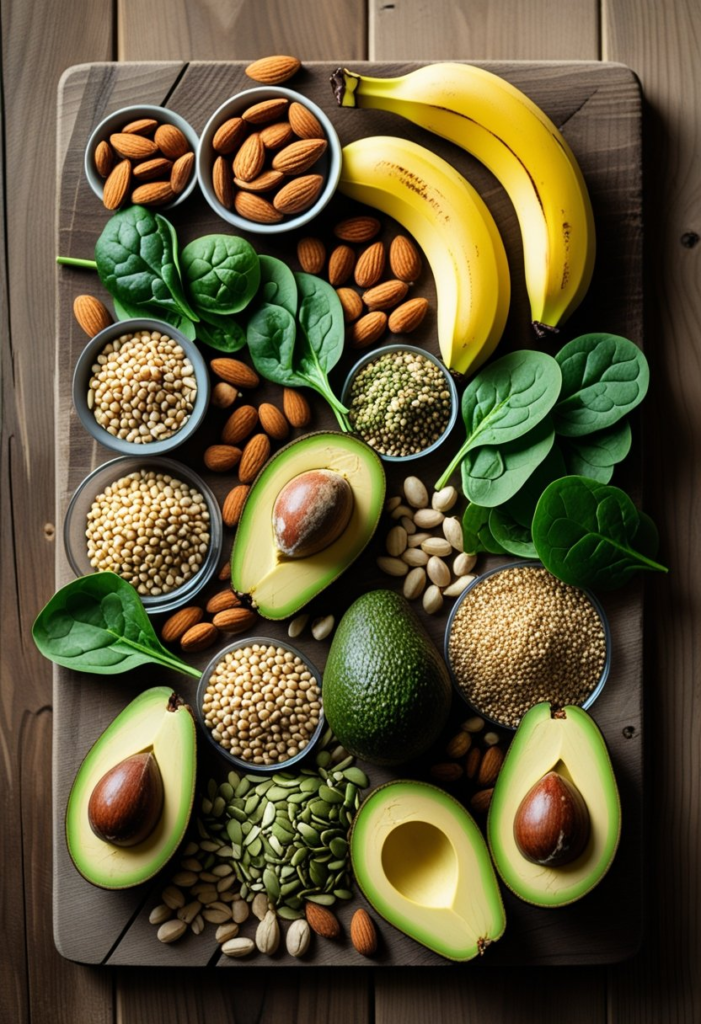
Magnesium deficiency is commonly linked with chronic migraines. This mineral plays a vital role in supporting nerve function, reducing muscle tension, and calming overactive neurological pathways.
Foods high in magnesium—such as nuts, leafy greens, and seeds—can help. You can also try magnesium glycinate supplements, which are known for better absorption.
If you suspect a nutrient deficiency, visit our article on signs of magnesium deficiency for a clearer understanding of symptoms and prevention.
3. Cold Compress for Instant Relief

A cold compress applied to your forehead or neck can quickly reduce inflammation and numb the throbbing sensation migraines bring. Ice packs, frozen gel packs, or even a bag of peas wrapped in a towel can help.
This cooling method works especially well during the early stages of a migraine. If you also experience sinus pressure during migraines, pairing a cold compress with natural remedies—like steam inhalation—can offer additional comfort.
4. Caffeine (in Moderate Amounts)

A small amount of caffeine can restrict blood vessels, reduce inflammation, and help stop a migraine from escalating. That’s why some migraine medications actually contain caffeine.
However, balance is key—too much can trigger rebound headaches or worsen symptoms. Pair one cup of coffee or tea with plenty of water to avoid dehydration.
If you tend to experience digestive discomfort with caffeine, explore our gentle fast gas relief remedies to learn how to keep your system calm while enjoying your daily brew.
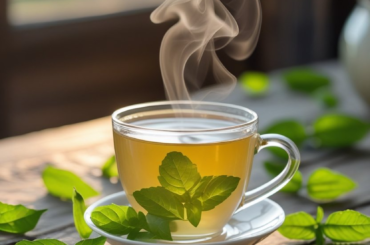
5. Ginger Tea for Nausea and Pain

Ginger is nature’s anti-inflammatory powerhouse. A warm cup of ginger tea can help reduce migraine-related nausea, ease digestive tension, and calm inflammation.
You can make your own ginger tea by simmering fresh ginger slices in water for 10 minutes, or use powdered ginger mixed with warm water.
6. Essential Oils: Peppermint & Lavender

Aromatherapy is one of the most calming natural migraine treatments. Both peppermint and lavender essential oils have scientifically supported benefits:
- Peppermint oil cools the skin and can reduce tension headaches.
- Lavender oil helps calm anxiety, lower stress, and relieve migraine intensity.
You can inhale them with a diffuser or apply diluted oil to your temples.
7. Improve Your Sleep Quality

Poor sleep is one of the biggest triggers of migraines. Whether it’s stress, inconsistent sleep schedules, or nighttime discomfort, lack of rest can lead to chronic headaches.
To improve sleep:
- Avoid screens an hour before bed
- Try chamomile or lavender tea
- Keep your room cool and dark
- Use a weighted blanket to reduce anxiety
If nighttime interruptions are affecting you—like coughing, digestive issues, or discomfort—you might benefit from reading tips to stop coughing at night to ensure peaceful rest.
8. Pressure Points and Gentle Massage

Applying pressure to specific points—like the base of your skull, temples, or between the thumb and index finger—can reduce migraine intensity. These pressure points help relax muscles, improve blood flow, and relieve tension.
You can also give yourself a gentle scalp massage or use a handheld massager to ease tightness in your neck and shoulders.
If you frequently carry tension in your body, explore our guide on healthy benefits of castor oil—a natural option that many use for massage and relaxation at home.
9. Reduce Triggering Foods and Maintain Healthy Habits

Certain foods can trigger migraines for some people, including:
- Processed meats
- Aged cheeses
- Alcohol
- MSG-containing foods
- Chocolate
- Foods with artificial sweeteners
Keeping a food journal can help identify patterns.
Nutrients and gut health also impact headaches. If you experience digestive imbalances or bloating alongside migraines, our comprehensive guide on colon cleanse remedies for digestive health can help restore balance to your system.
Additionally, maintaining steady blood sugar levels helps prevent headache spikes, especially for those prone to dips during long periods without food.
Lifestyle Tips to Prevent Migraines
While natural remedies can bring relief, long-term prevention is equally important. Small lifestyle adjustments can significantly reduce how often migraines strike.
✔️ Manage Stress
Stress hormones can trigger migraines, so deep breathing exercises, meditation, and gentle movement can help.
✔️ Stay Consistent with Meals
Skipping meals can cause low blood sugar—a common migraine trigger.
✔️ Keep a Migraine Diary
Tracking sleep, foods, stress, weather changes, and symptoms can help identify your unique patterns.
✔️ Avoid Strong Scents and Harsh Chemicals
For sensitive individuals, strong fragrances, cleaning agents, and air fresheners can contribute to headaches. You may find natural cleaning alternatives in our guide on how to deodorize your house.
When to See a Doctor
While natural migraine remedies are effective for many people, professional guidance is necessary if you experience:
- Sudden severe headaches
- Migraines lasting longer than 72 hours
- Vision changes
- Difficulty speaking
- Weakness or numbness
- Headaches accompanied by fever
These symptoms may indicate something more serious and require immediate medical attention.
Final Thoughts
Learning How to Get Rid of a Migraine: 9 Natural Migraine Relief Remedies is about understanding your body, identifying your triggers, and using natural, supportive techniques to calm symptoms and promote long-term health.
By combining hydration, minerals, soothing herbs, essential oils, sleep improvements, and stress management, you can significantly reduce the intensity and frequency of your migraines. And by paying attention to lifestyle habits and nutrition, you’ll be empowered to take control of your wellness journey.
If you’re ready to explore more natural remedies and healthy living tips, browse our other wellness and home remedy guides anytime—they’re packed with simple, effective solutions you can use daily.