If you’ve ever walked outside to admire your lawn only to find fresh mounds of soil scattered like miniature volcanoes, you’re not alone. Moles are incredibly common yard pests, and although they don’t usually damage plants directly, the tunnels they create can ruin your lawn, disrupt root systems, and attract other unwanted pests. The good news? With the right strategies, you can reclaim your yard.
This guide breaks down how to get rid of moles, why they show up in the first place, and what you can do to keep them away for good—all in a practical, easy-to-follow format.
Why Moles Invade Your Yard
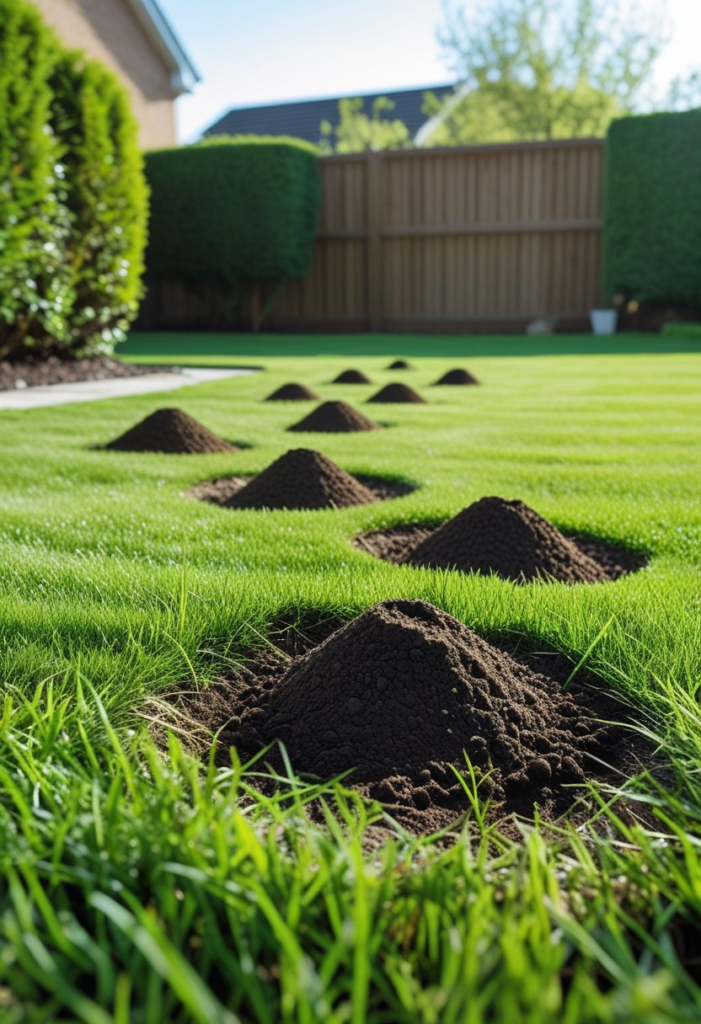
Moles aren’t there to torment you—they’re usually just hungry. Their primary diet consists of insects, especially grubs and earthworms. If your yard offers an abundant food source, the moles will gladly set up camp beneath the soil.
Common Signs of Moles
- Raised ridges or tunnels across your yard
- Fresh mounds of soil
- Soft, uneven patches when you walk across the lawn
Their tunneling destroys the aesthetics of your yard and creates hazards for kids, pets, and lawn equipment. So, while moles aren’t harmful to humans, they can cause expensive damage if left unattended.
Effective Methods to Get Rid of Moles in Your Yard
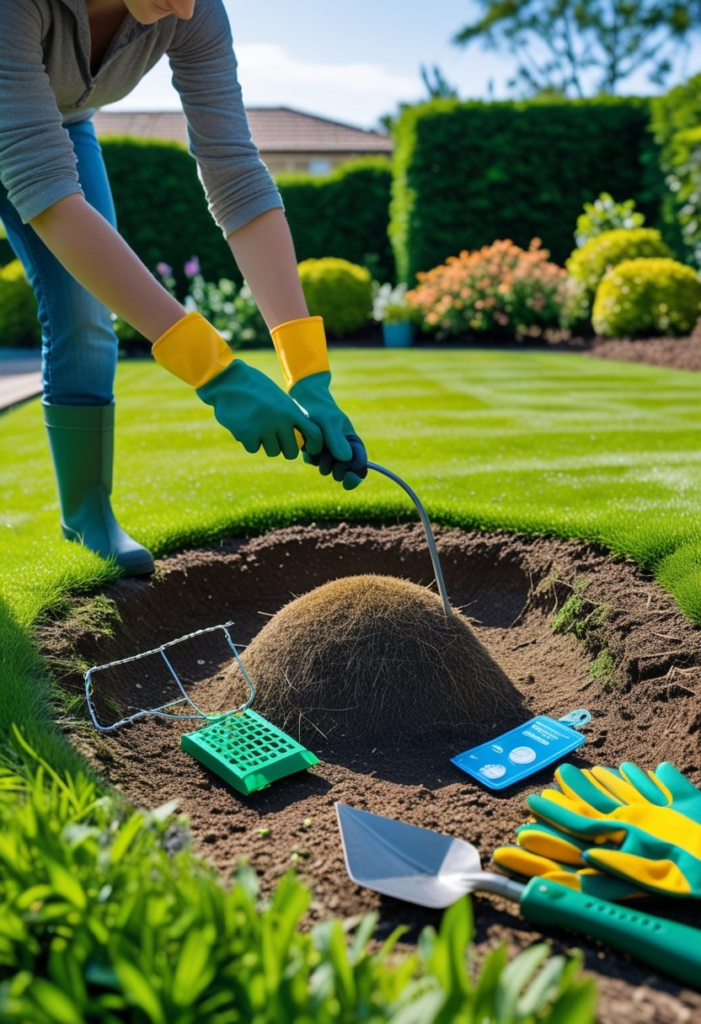
Below are the most reliable, humane, and long-term mole control strategies. You may need to use a combination for the best results.
1. Remove Their Food Source
Since moles invade properties that offer abundant insect life, controlling their food supply is one of the best long-term solutions.
Reduce Grubs
Grubs are often the key attraction for moles. Using grub-control treatments—either organic or synthetic—helps minimize the reason moles visit your yard in the first place.
Improve Soil Drainage
Moles prefer moist soil, which makes tunneling easier. Addressing drainage issues or watering your lawn less frequently can make your yard less appealing.
If pests are a recurring issue on your property, you may also want to explore natural ways to keep them under control. For example, if you’re also dealing with indoor pests, this guide on how to kill roaches naturally provides helpful eco-friendly options.
2. Use Mole Repellents That Actually Work
Mole repellents can help discourage moles from staying in your yard. Both natural and commercial options exist.
Castor Oil Repellents
Castor oil is one of the most effective natural mole deterrents. You can purchase ready-made repellents or make one yourself by mixing:
- ½ cup castor oil
- 2 tablespoons dish soap
- 1 gallon water
Spray the mixture over your lawn, especially near active tunnels. Moles dislike the taste and smell, prompting them to leave.
B. Vibrating or Sonic Mole Repellers
These devices send vibrations into the soil at regular intervals. While opinions vary, some homeowners report great success.
3. Flooding and Trapping Techniques

If you want immediate results, you may need to use more direct methods.
Flooding Tunnels
Flooding is not always 100% effective, but it can encourage moles to relocate if water reaches their active tunnels.
Humane Traps
Live traps allow you to capture moles and relocate them away from your property. Check your local laws first—some regions regulate wildlife relocation.
If you’re interested in removing other small mammals ethically, you might also find this guide on how to get rid of rats naturally helpful.
4. Install Physical Barriers

You can create underground barriers to prevent moles from entering certain areas, such as gardens or flower beds.
How to Install a Mole Barrier
- Dig a trench around the area you want to protect, about 2–3 feet deep.
- Line it with metal mesh or hardware cloth.
- Extend the mesh a few inches above ground.
- Refill the trench with soil.
This leverages a mole’s natural habit—they rarely dig deeper than a few feet.
5. Maintain a Less Mole-Friendly Yard

Moles prefer quiet, undisturbed, moist, insect-rich yards. The more time you spend maintaining and using your outdoor space, the less appealing it becomes for them.
Tips to Make Your Yard Less Attractive
- Mow regularly
- Aerate your lawn
- Avoid overwatering
- Clean up debris piles and excess mulch
Regular upkeep keeps your yard attractive to you—but unappealing to moles.
6. Natural Predator Encouragement
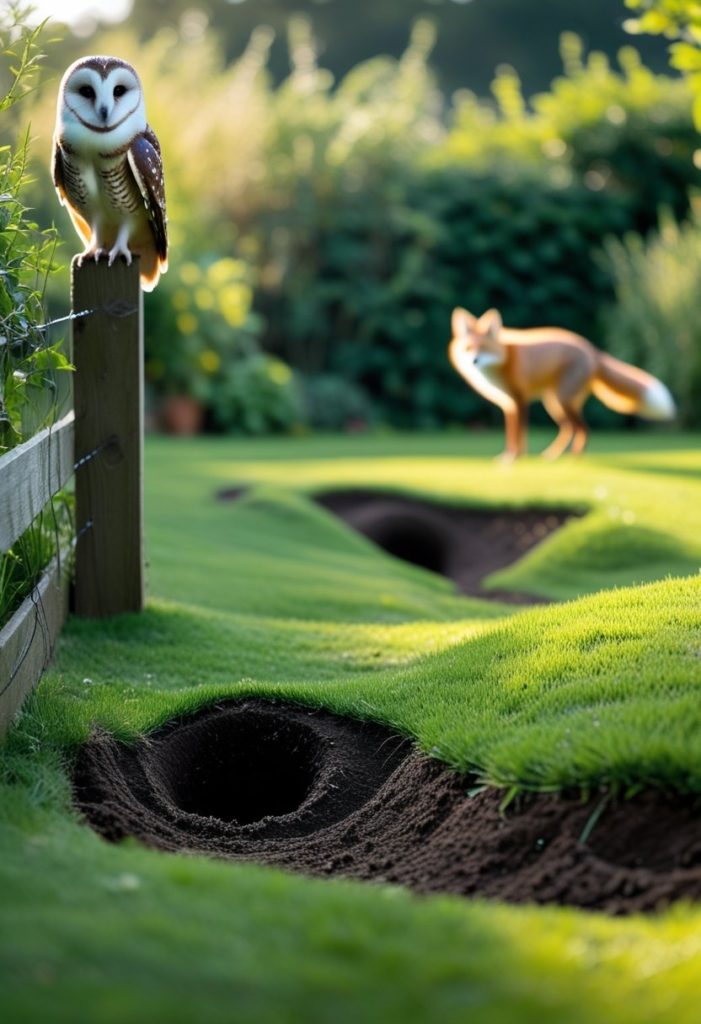
Encouraging natural mole predators may help reduce mole activity. Owls, hawks, snakes, and even some dogs can deter or remove moles from your yard.
Consider installing:
- Owl nesting boxes
- Elevated perches for birds of prey
While this isn’t an immediate solution, it can help reduce long-term mole populations.
7. Professional Mole Removal Services

If your mole problem is severe or persistent, bringing in professionals may be necessary. Pest control experts can:
- Identify active tunnels
- Apply professional-grade repellents
- Set up humane traps
- Implement long-term prevention
This option saves you time and ensures the issue is addressed thoroughly.
How to Keep Moles Away
Getting rid of moles is only half the battle. Keeping them away requires consistent maintenance and prevention.
Continue Grub Control
Even after the moles leave, grubs can invite new ones back. Seasonal grub treatment can go a long way.
Maintain Dry Soil Conditions
Avoid overwatering, and improve drainage in notoriously soggy areas.
Reapply Natural Repellents Regularly
If you use castor oil-based repellents, reapply every few months or after heavy rain.
Monitor for New Tunnels
Don’t ignore early warning signs. New activity is easier to address before it becomes widespread.
Should You Be Worried About Lawn Damage?
While moles don’t feed on plants, their tunneling can uproot vegetation and damage grass roots. Fresh tunnels may also attract voles, which do eat plants and can cause even more havoc in your yard.
If your lawn already has visible damage, you may need to reseed affected areas after mole removal.
To restore outdoor surfaces in general, especially if stains or debris have collected during mole activity, check out this helpful guide on how to clean hard water stains—perfect if your patio or walkways also need attention.
What to choose? Natural Solutions or Chemical Treatments
Many homeowners prefer natural remedies because they’re safer for pets, gardens, and the environment. Castor oil and good lawn maintenance often work well enough.
Chemical treatments, on the other hand, may offer faster results but come with more risks. If you choose chemicals:
- Follow all product instructions
- Keep pets and children away during application
- Check whether the product affects other wildlife
Natural remedies tend to work best for long-term prevention, while chemicals may be more appropriate for severe infestations.
Common Myths About Mole Removal
Myth 1: Moles Eat Plant Roots
False. Moles only eat insects—but their tunnels can damage plant roots indirectly.
Myth 2: Coffee Grounds or Cayenne Pepper Will Keep Moles Away
There’s no scientific proof these methods work consistently.
Myth 3: A Single Mole Equals a Major Infestation
Usually, one mole can create an extensive network of tunnels. You may not have as many moles as you think.
Final Thoughts
Learning How to Get Rid of Moles in Your Yard and Keep Them Away doesn’t have to be complicated. Start by understanding why they’re there, use a combination of food-source reduction, repellents, humane removal, and long-term lawn maintenance, and stay consistent with prevention.
With patience and the right approach, you can enjoy a smooth, healthy lawn again—free of mole tunnels and disruptions.
If you’re interested in more natural home and garden solutions, you might also enjoy this helpful guide on how to remove urine stains and smell—another common issue for homeowners with pets or kids.