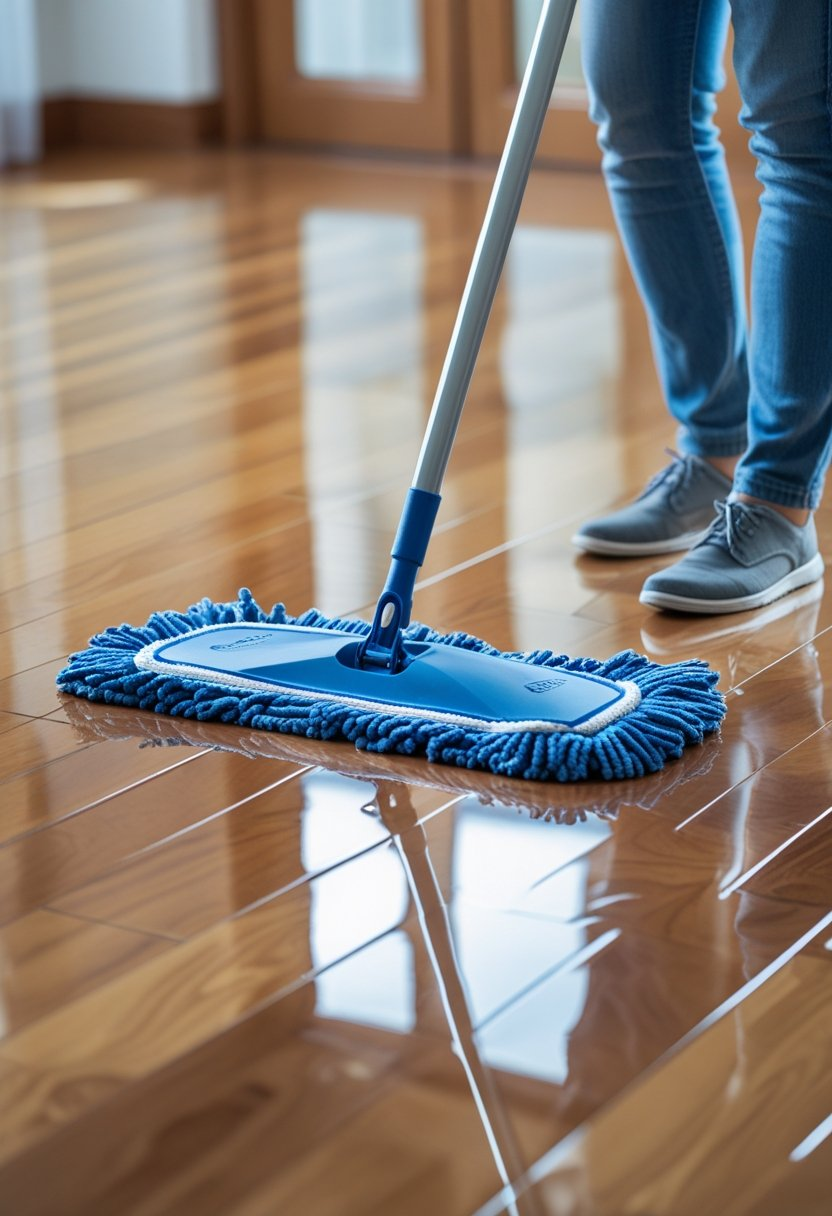
Wood floors bring elegance and warmth to any home, but over time, they can become dulled by dirt, grime, and wear. Regular sweeping and mopping help maintain their appearance, but occasionally, a deep clean is necessary to restore their natural beauty. If you’ve been searching for a straightforward way to deep clean your wood floors, you’re in the right place. This easy step-by-step guide will show you how to bring back the luster of your wood floors without damaging them.
Why Deep Cleaning Wood Floors Is Important
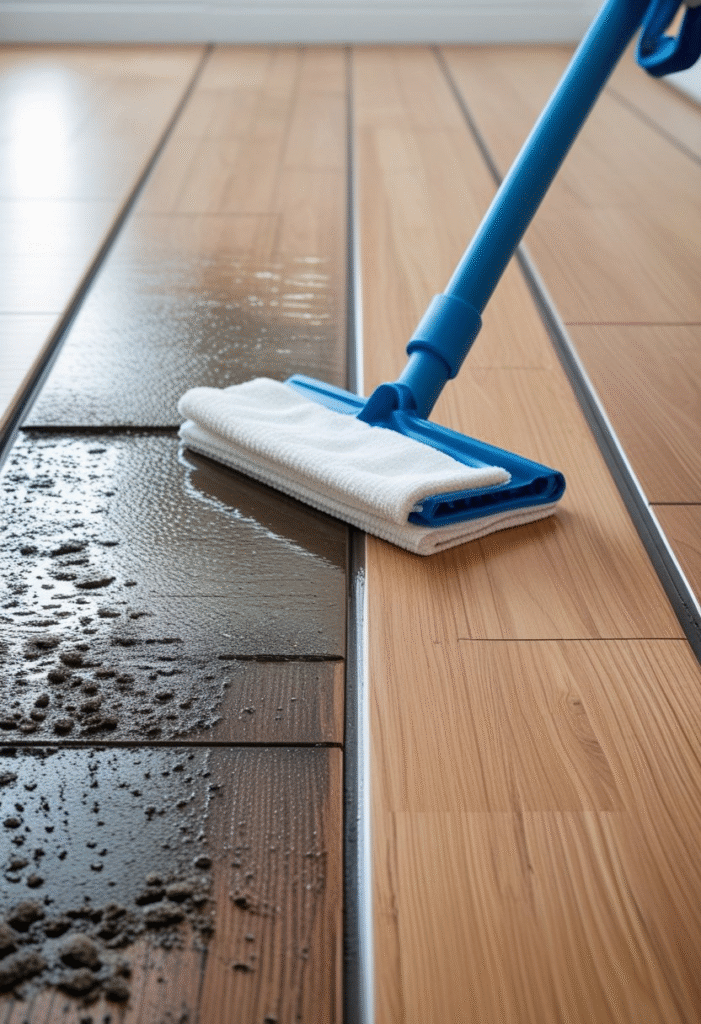
Before we dive into the cleaning process, it’s essential to understand why deep cleaning is necessary for wood floors. Over time, dust, dirt, and oils can accumulate on the surface and work their way into the wood’s pores. Regular cleaning removes the top layer of dirt, but a deep clean reaches deeper to lift and eliminate grime that regular mopping can’t handle. This not only helps maintain the floor’s appearance but also extends its lifespan.
Deep cleaning also prevents the buildup of allergens like dust mites and pet dander, making your home healthier. Furthermore, it helps protect your investment by preserving the wood’s finish and preventing permanent stains or damage.
Tools and Materials You’ll Need
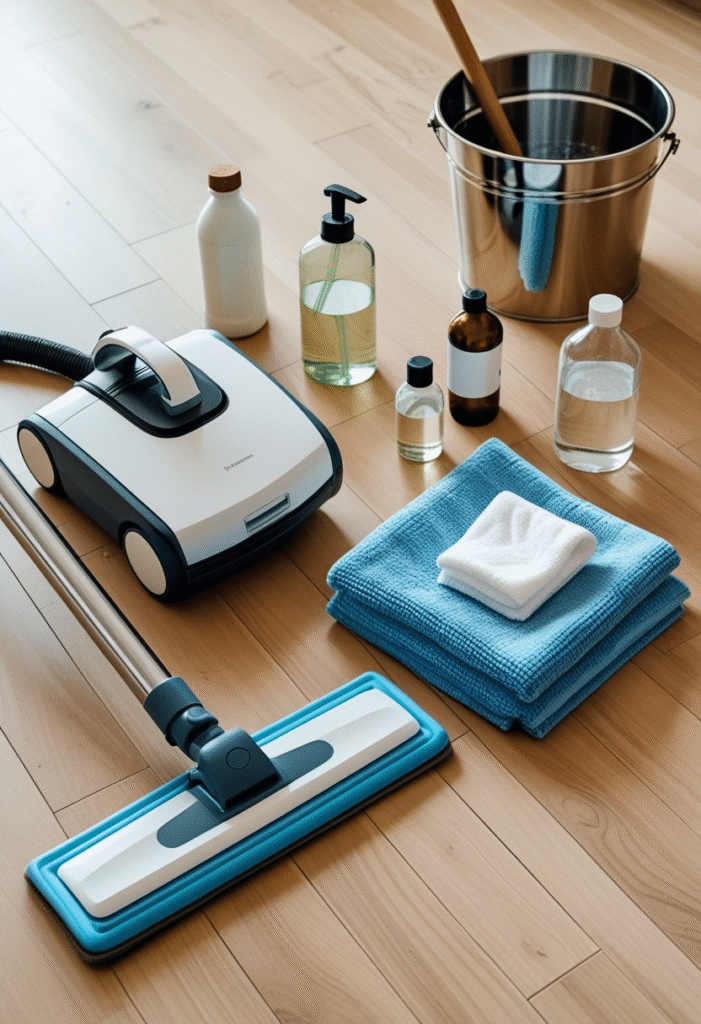
Before you get started, gather the following tools and materials:
- Broom or vacuum: For removing dust, dirt, and debris.
- Microfiber mop: To avoid scratching the wood surface.
- Wood floor cleaner: Choose a cleaner specifically designed for wood floors.
- White vinegar: A natural cleaner that works wonders without harming wood finishes.
- Warm water: Essential for diluting cleaning solutions.
- Soft cloths: For drying and buffing the floor after cleaning.
- Bucket: For mixing cleaning solutions.
- Old towels or rags: To absorb excess moisture during cleaning.
Step 1: Remove Dust and Debris
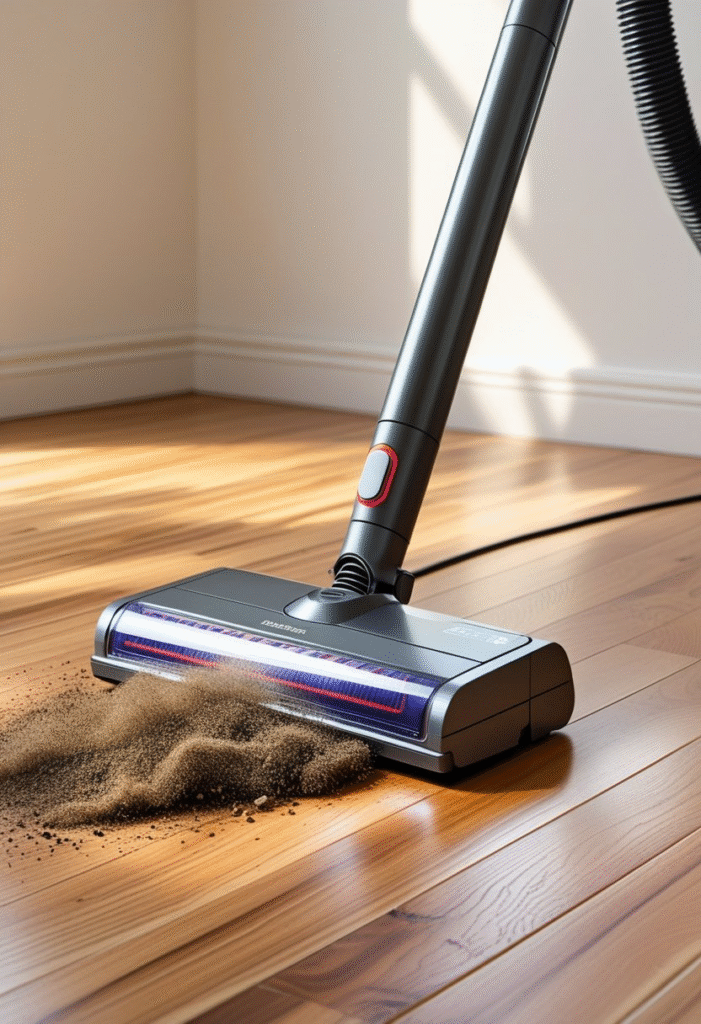
The first step in how to deep clean wood floors is to remove dust and dirt. Begin by sweeping your floors with a broom or vacuuming them using a floor attachment. A vacuum is particularly useful for reaching into corners and between floorboards. If using a broom, make sure the bristles are soft to avoid scratching the floor.
Be sure to vacuum or sweep the entire area, including under furniture and along edges. Dust and dirt left behind can mix with your cleaning solution and create a muddy residue, making your cleaning efforts less effective.
Step 2: Prepare Your Cleaning Solution
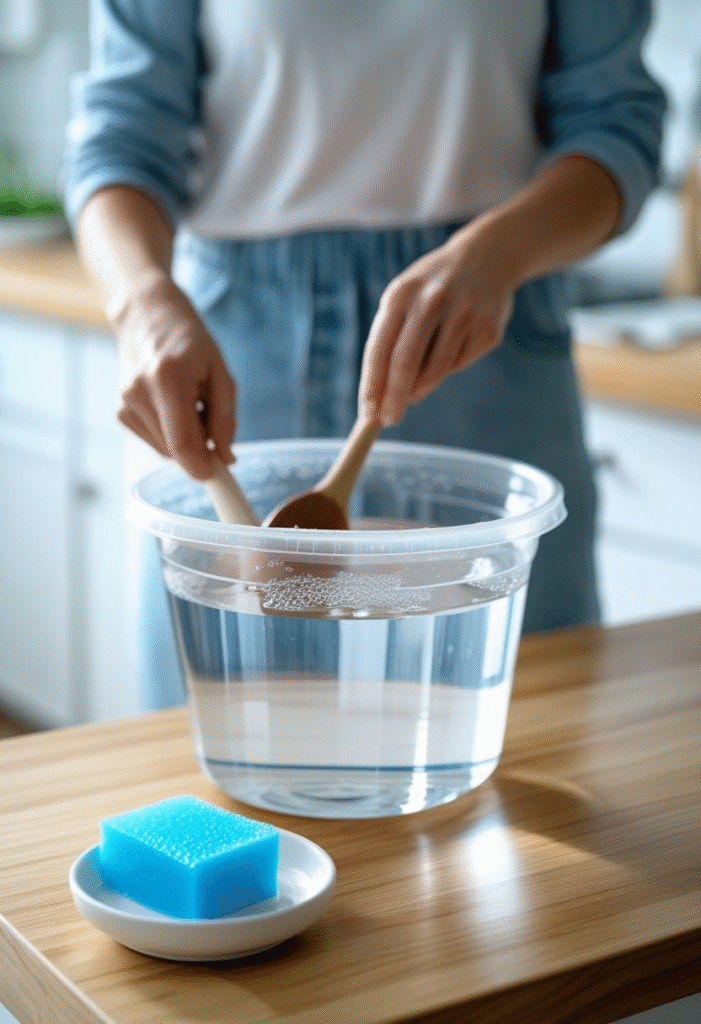
Once your floor is free of dust and debris, it’s time to prepare your cleaning solution. Many commercial cleaners are available, but you can also make an effective natural cleaner with just two ingredients: water and white vinegar. Vinegar is a natural disinfectant that won’t harm your wood floor’s finish when diluted properly.
DIY Wood Floor Cleaner Recipe:
- 1 cup of warm water
- ¼ cup of white vinegar
- 1–2 drops of mild dish soap (optional)
Mix the ingredients in a bucket. If you prefer using a store-bought cleaner, ensure it is specifically formulated for wood floors to avoid damaging the surface.
Step 3: Mop the Floor
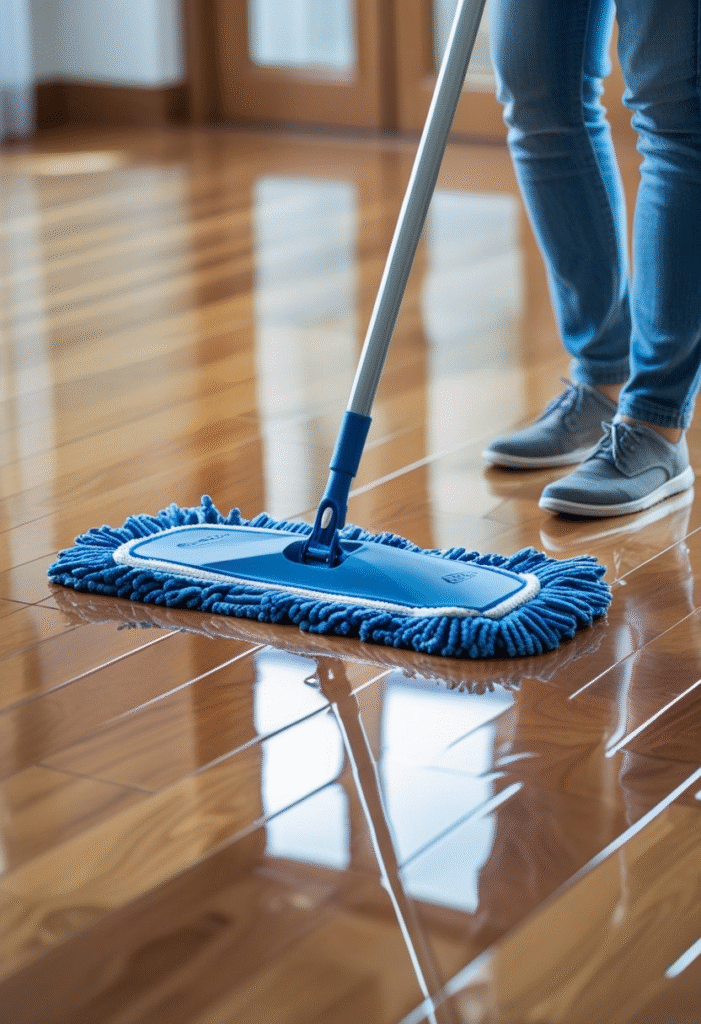
Dampen your microfiber mop in the cleaning solution, but be sure it is not soaking wet. Too much water can damage wood floors over time by causing swelling or warping. Wring out any excess water before mopping.
Start mopping the floor in small sections, working your way across the room. Mop in the direction of the wood grain to ensure that the cleaner works its way into the crevices. Avoid using excessive pressure, as this can damage the finish. If you’re cleaning a large space, rinse and re-dampen the mop as needed to ensure an even clean.
Tip:
For stubborn spots or sticky residue, dip your cloth into the cleaning solution and gently scrub the affected area. If the stain persists, you may want to try using a gentle scrub brush or an eraser-like sponge.
If you’re interested in tackling other household cleaning challenges, our post on how to clean hard water stains may be a helpful read.
Step 4: Dry the Floor
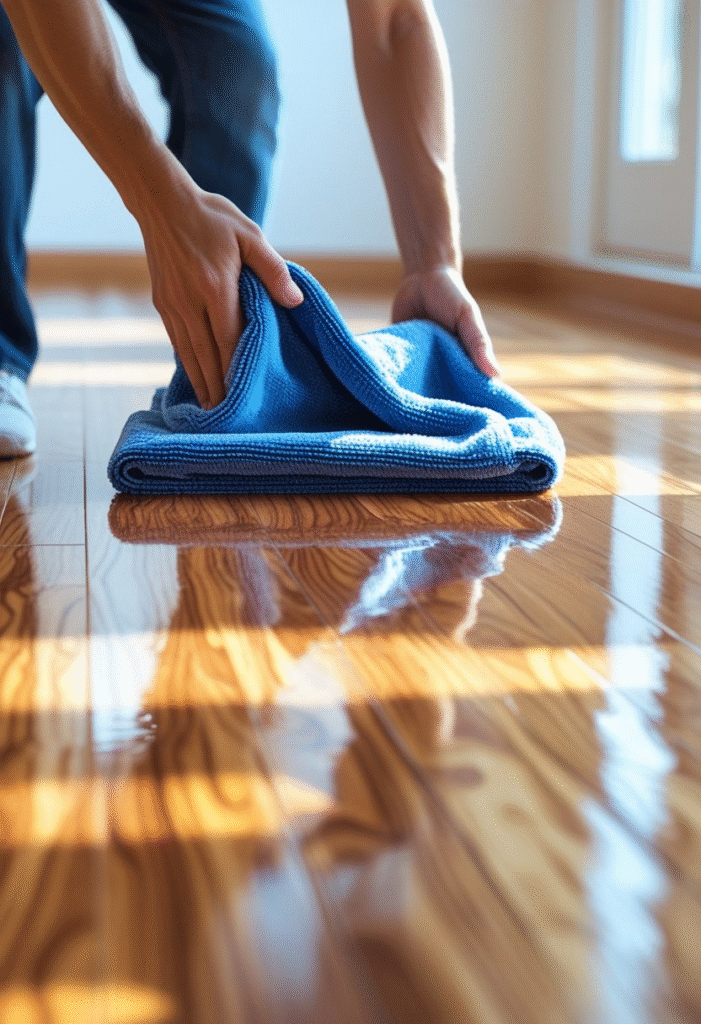
After mopping, it’s important to dry the floor immediately to prevent any moisture from lingering on the surface. Wood is sensitive to moisture, and prolonged exposure can cause damage. Use a clean, dry microfiber cloth or towel to wipe down the floor after mopping. Gently buff the floor to restore its shine.
Ensure that the floor is completely dry before walking on it to avoid slipping or leaving footprints behind.
Step 5: Address Tough Stains
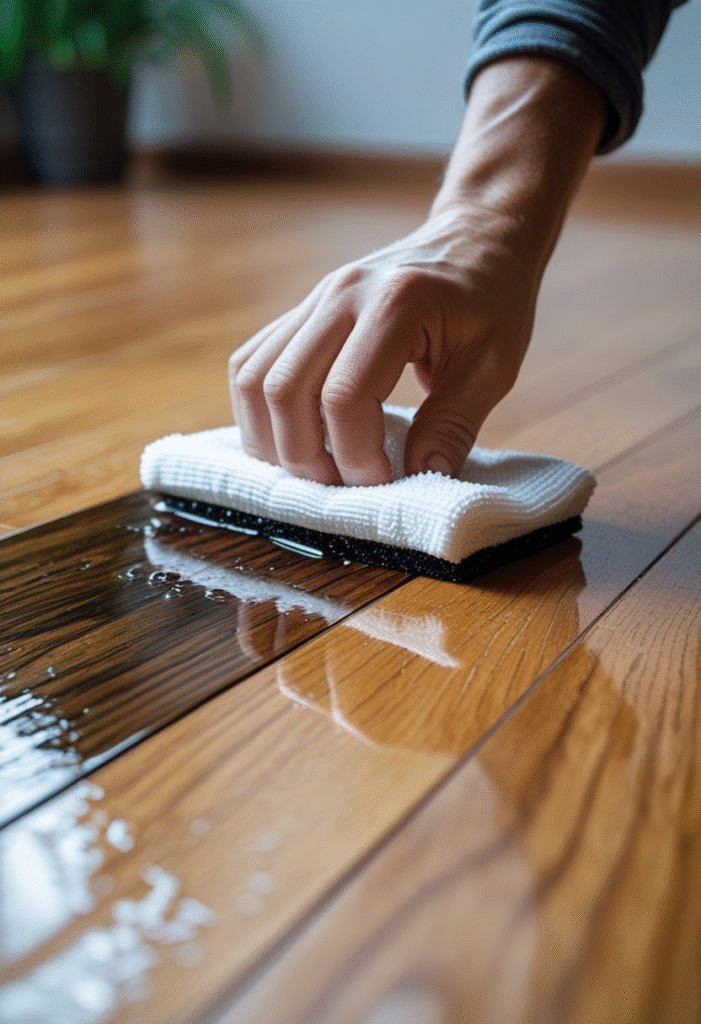
Sometimes, deep cleaning may not be enough to remove stubborn stains or discoloration on your wood floors. For these areas, try the following methods:
Baking Soda Paste:
For sticky spots or tough stains, you can create a paste using baking soda and a little water. Apply the paste to the stain, allow it to sit for a few minutes, and then scrub it gently with a soft cloth or sponge. Be sure to wipe away any excess paste and dry the floor afterward.
Hydrogen Peroxide for Dark Spots:
If your wood floor has dark spots or stains, a small amount of hydrogen peroxide can help lighten them. Apply a few drops to a clean cloth, and gently rub the stain until it fades. Test a small, inconspicuous area first to ensure the peroxide doesn’t damage the finish.
If you’re looking for more natural cleaning remedies, our article on how to remove set-in stains might provide additional helpful tips.
Step 6: Apply a Wood Floor Polish
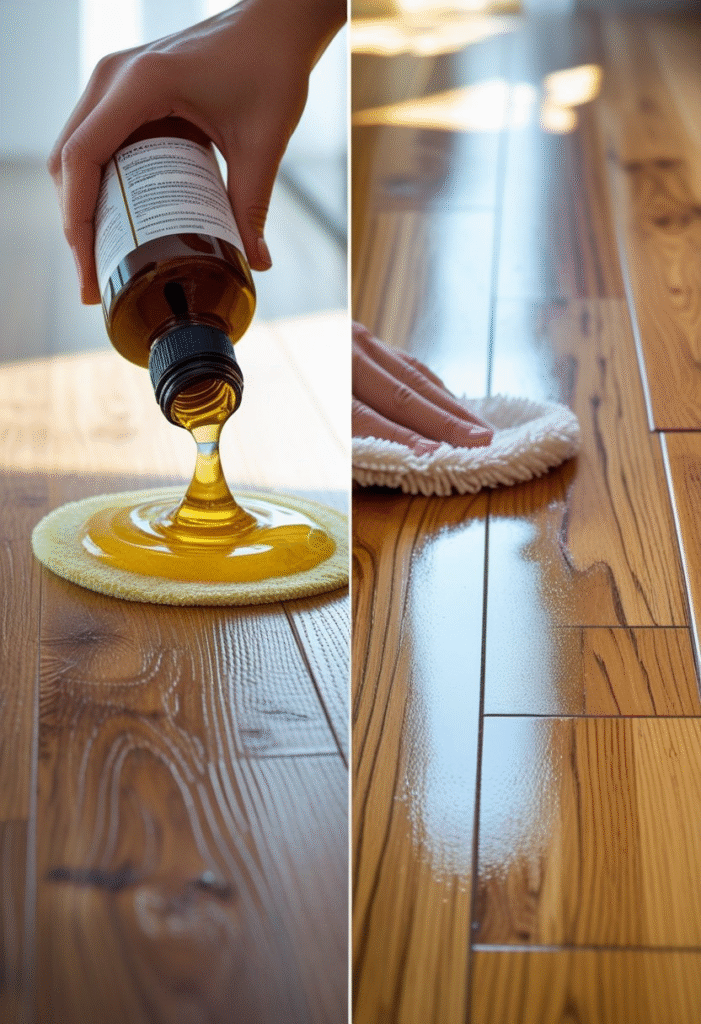
Once your wood floors are clean and dry, you can apply a wood floor polish for an extra shine. Choose a polish that is suitable for your floor’s finish (e.g., polyurethane, oil-based, etc.). This step is optional but can help restore the wood’s natural luster and provide a protective layer against dirt and wear.
Apply the polish according to the manufacturer’s instructions and buff it into the floor with a clean, soft cloth. This will enhance the floor’s shine and add a layer of protection against scratches and damage.
Step 7: Regular Maintenance Tips
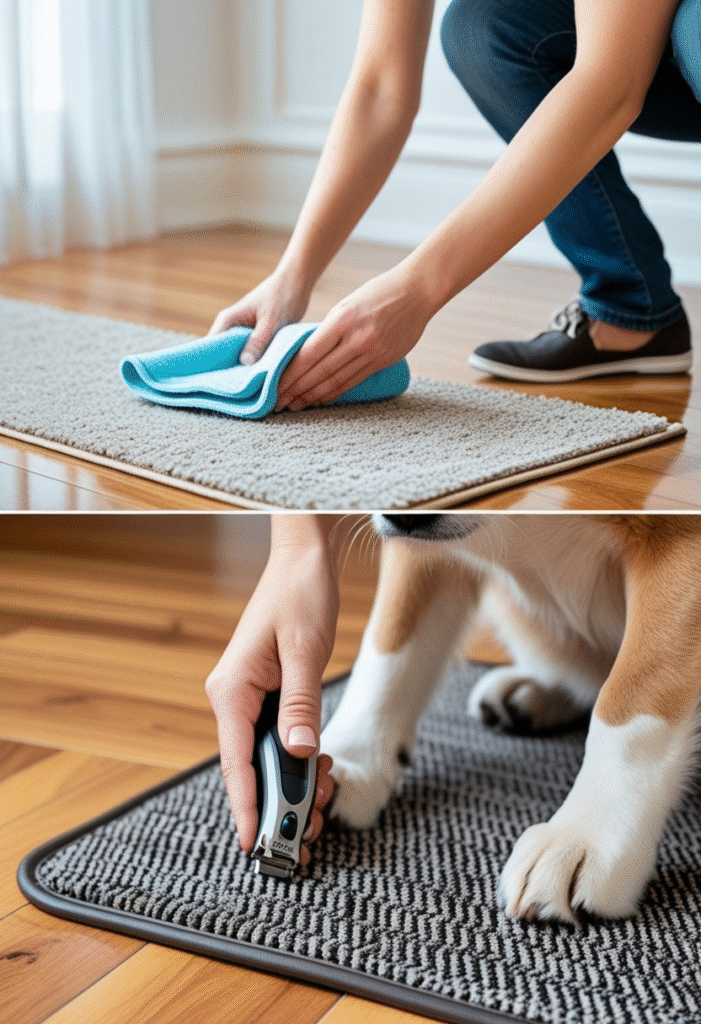
Now that your wood floors are deep cleaned, it’s important to maintain them to avoid future buildup of dirt and grime. Here are some tips for regular maintenance:
- Dust regularly: Use a microfiber cloth or mop to dust the floor at least once a week. This will help prevent dirt from accumulating and scratching the surface.
- Clean spills immediately: Wipe up spills as soon as they occur to avoid stains or water damage.
- Avoid excessive moisture: When mopping, always wring out your mop thoroughly to avoid leaving excess water on the floor.
- Use rugs or mats: Place mats or rugs in high-traffic areas to protect the floor from dirt, debris, and scratches.
- Trim pet nails: If you have pets, trim their nails regularly to prevent scratches on the floor.
For more cleaning and home organization tips, be sure to check out our post on how to remove urine stains and smell, a handy guide for tackling tough household odors.
Conclusion
Learning how to deep clean wood floors is a simple process that can significantly enhance the look of your home. By following this easy step-by-step guide, you can restore your wood floors to their original beauty without the need for harsh chemicals or expensive cleaning services. Whether you’re dealing with dust, sticky residue, or stubborn stains, these methods will help you keep your floors looking pristine for years to come. Regular maintenance will ensure that your wood floors remain a stunning feature in your home.
Take the time to clean and care for your wood floors, and they will continue to add beauty and value to your home for many years.