

A toothache can strike at the most inconvenient time, whether late at night, during a busy workday, or while traveling. The throbbing, sharp, or constant pain can disrupt your ability to eat, sleep, speak, or focus. While it is essential to see a dentist for a proper diagnosis, many people need immediate comfort before they can schedule an appointment. This comprehensive guide covers 17 Best Home Remedies for Toothache Pain, giving you natural and effective solutions you can try at home to help ease discomfort until you get professional care.
Understanding Why Toothaches Happen
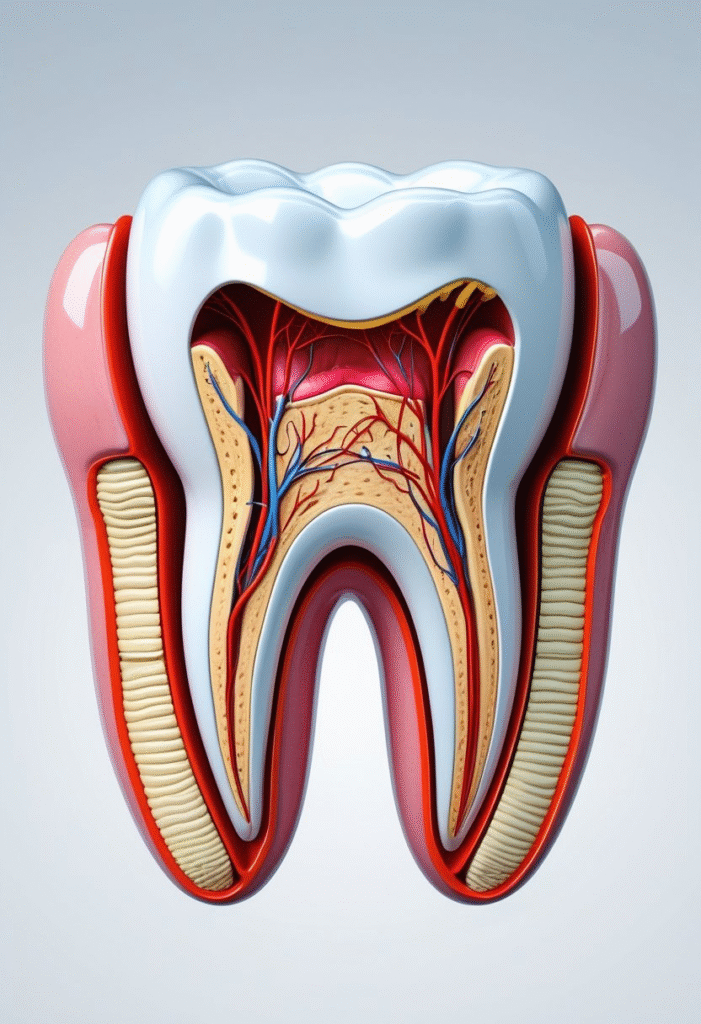
Toothaches occur for many reasons, and understanding the cause helps determine the best temporary remedy.
Common causes include:
- Cavities or tooth decay
- Gum disease
- Tooth fractures
- Abscesses
- Loose fillings
- Tooth sensitivity
- Sinus infections
- Food stuck between teeth
Some remedies help reduce inflammation, others numb the area, and some fight bacteria. While these remedies may help temporarily, none of them replace dental treatment when an underlying dental issue is present.
The 17 Best Home Remedies for Toothache Pain
Below are the most effective and science-backed ways to ease toothache discomfort safely at home.
1. Saltwater Rinse
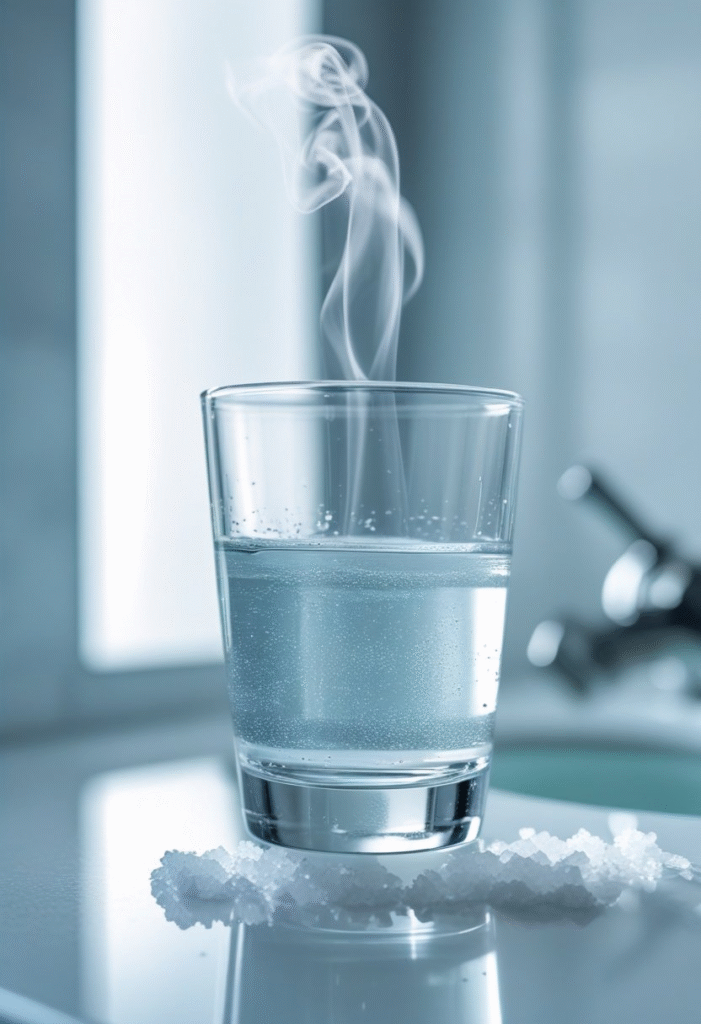
One of the simplest and most effective remedies is a saltwater rinse. Salt has natural antibacterial properties and helps reduce inflammation.
How to use:
- Mix ½ teaspoon of salt in warm water
- Swish for 30 seconds
- Repeat 2–3 times a day
This method can help remove trapped food particles and soothe irritation.
2. Cold Compress

A cold compress numbs the pain and reduces swelling.
Use it when:
- There is facial swelling
- Pain stems from an injury, trauma, or inflammation
Apply an ice pack wrapped in a cloth for 15 minutes at a time.
3. Over-the-Counter Pain Relievers

Ibuprofen, acetaminophen, or naproxen can offer short-term relief.
Always follow dosage instructions, and use these only as temporary support.
4. Clove Oil

Clove oil contains eugenol, a natural anesthetic and antibacterial compound that numbs pain instantly.
How to use:
- Dip a cotton ball in clove oil and apply to the painful area
- Or mix it with a carrier oil before applying
This is one of the most traditional and reliable natural remedies.
5. Peppermint Tea Bags

Peppermint has mild numbing properties.
How to use:
- Place a used, cooled peppermint tea bag on the sore area
- Leave for 15–20 minutes
Warm or cold bags both work depending on your preference.
6. Garlic Paste
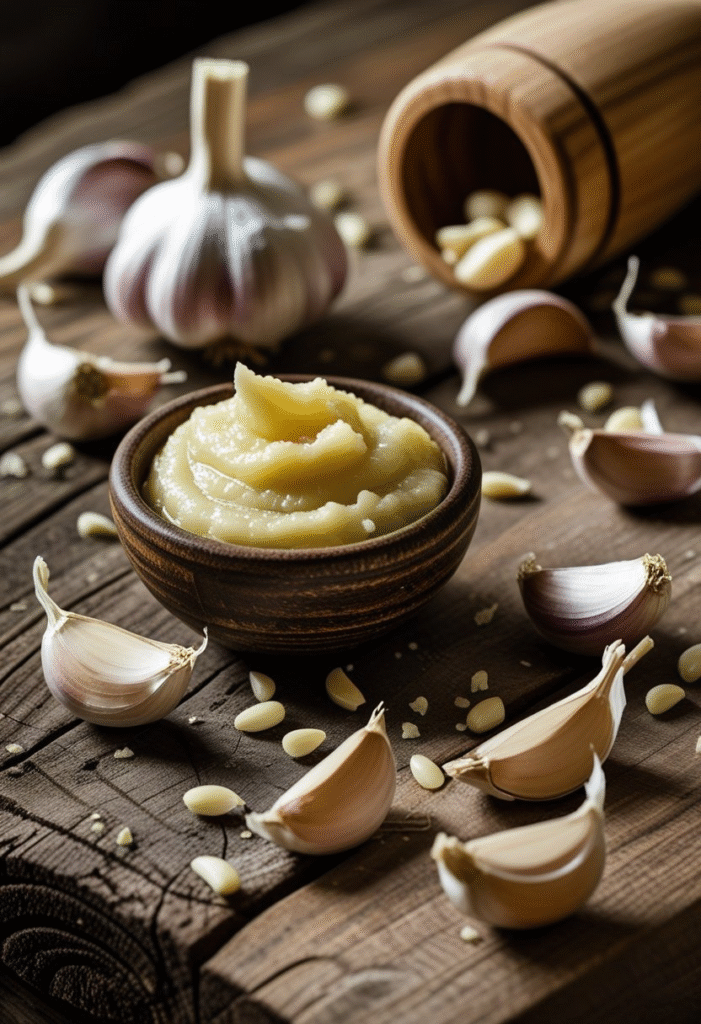
Garlic contains allicin, known for its strong antibacterial power.
Instructions:
- Crush a garlic clove to form a paste
- Apply directly to the affected area
The taste may be strong, but the benefit can be significant.
7. Hydrogen Peroxide Rinse
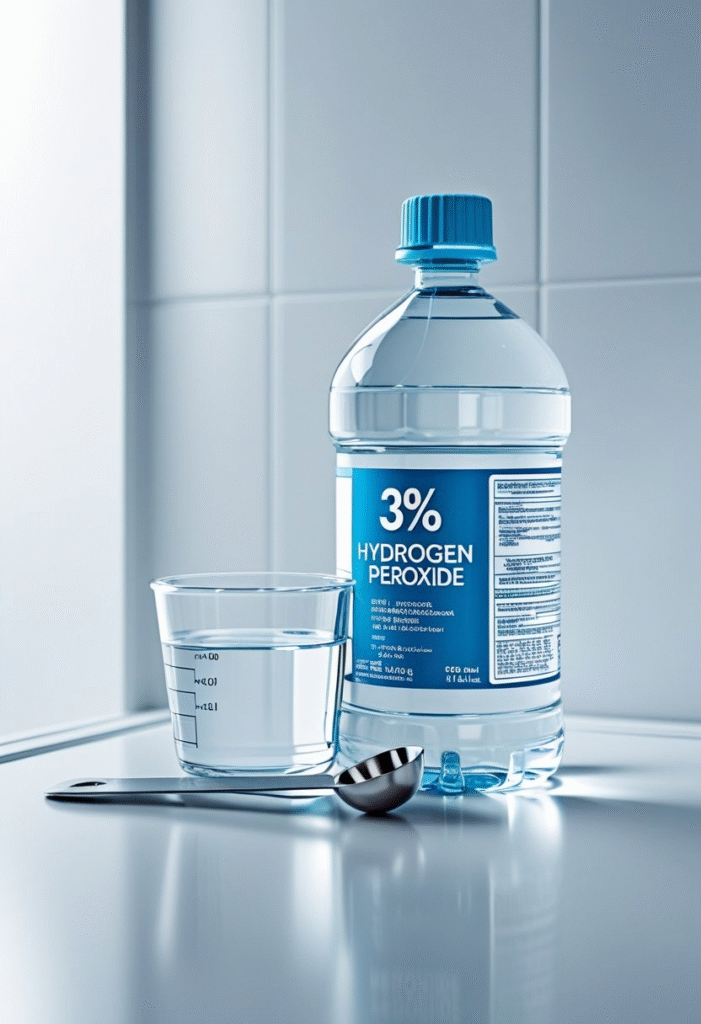
A diluted hydrogen peroxide rinse (3% solution mixed with equal water) can help kill bacteria and reduce plaque.
Important:
Do NOT swallow.
Swish for 30 seconds, then rinse with plain water.
8. Vanilla Extract
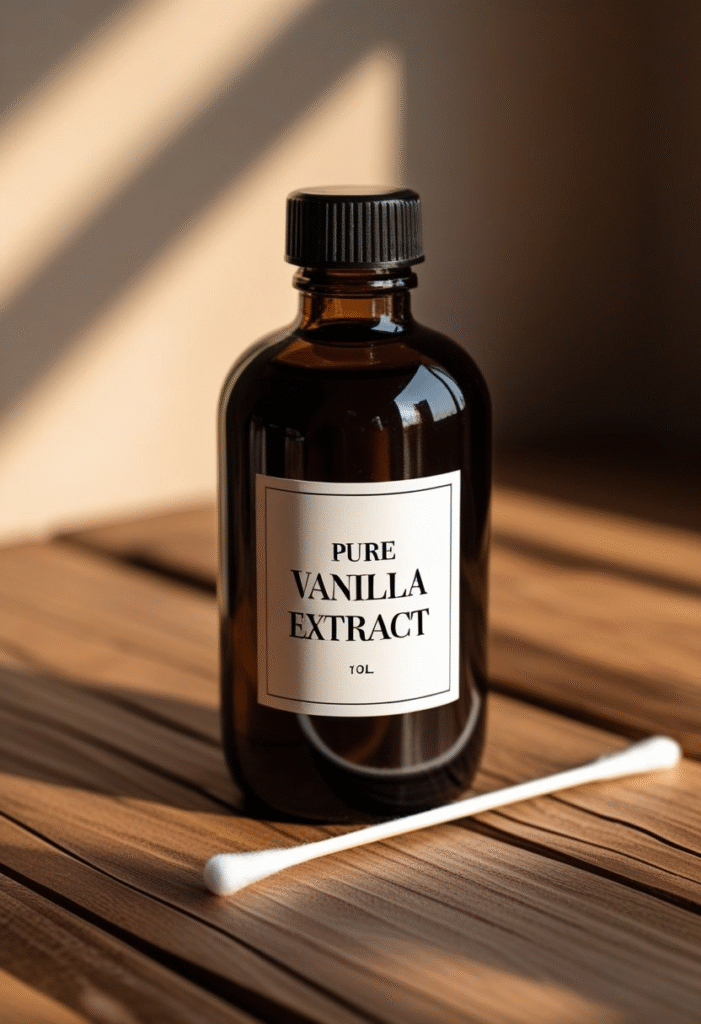
Vanilla extract contains alcohol and antioxidants that naturally numb pain.
How to apply:
- Put a few drops on a cotton swab
- Place on the sore tooth several times a day
It’s mild and safe when used sparingly.
9. Thyme

Thyme essential oil contains strong antibacterial properties.
Use in two ways:
- Mix with water and use as a mouthwash
- Mix with coconut oil and apply using a cotton ball
It may help fight the bacteria causing tooth pain.
10. Guava Leaves
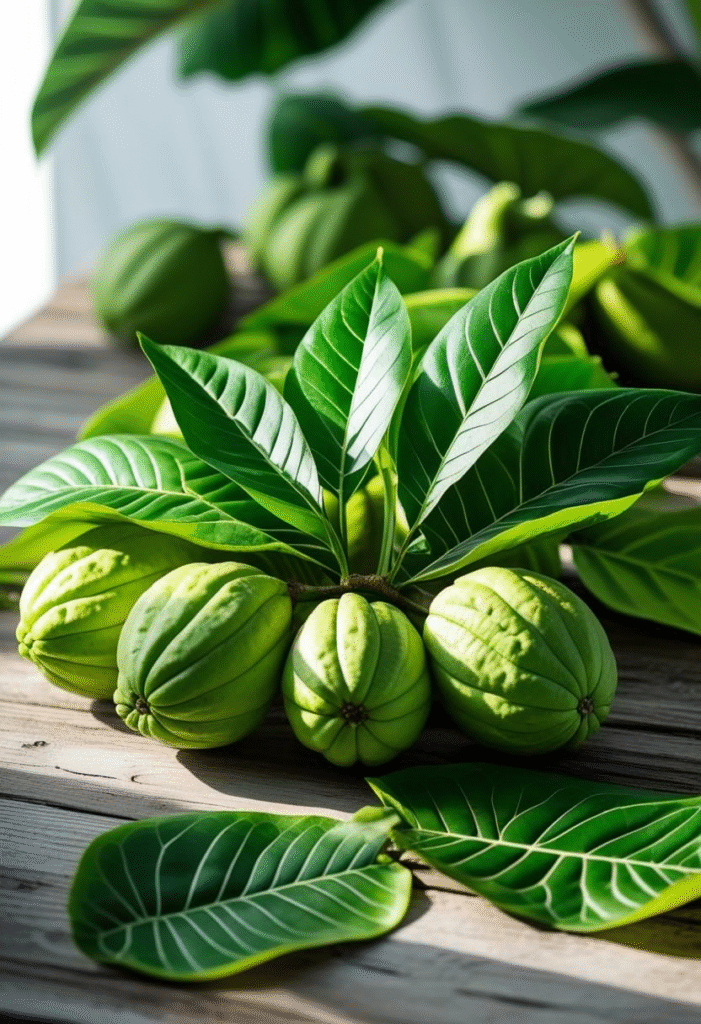
Guava leaves are known for their anti-inflammatory and antimicrobial benefits.
Methods:
- Chew fresh guava leaves
- Or boil them to make a mouth rinse
Both options help reduce bacteria and soothe gums.
11. Wheatgrass Juice

Wheatgrass has natural antibacterial nutrients that support oral health.
Try:
- Drinking wheatgrass juice
- Using it as a mouthwash
This helps reduce toxins and fight bacteria in the mouth.
12. Aloe Vera Gel
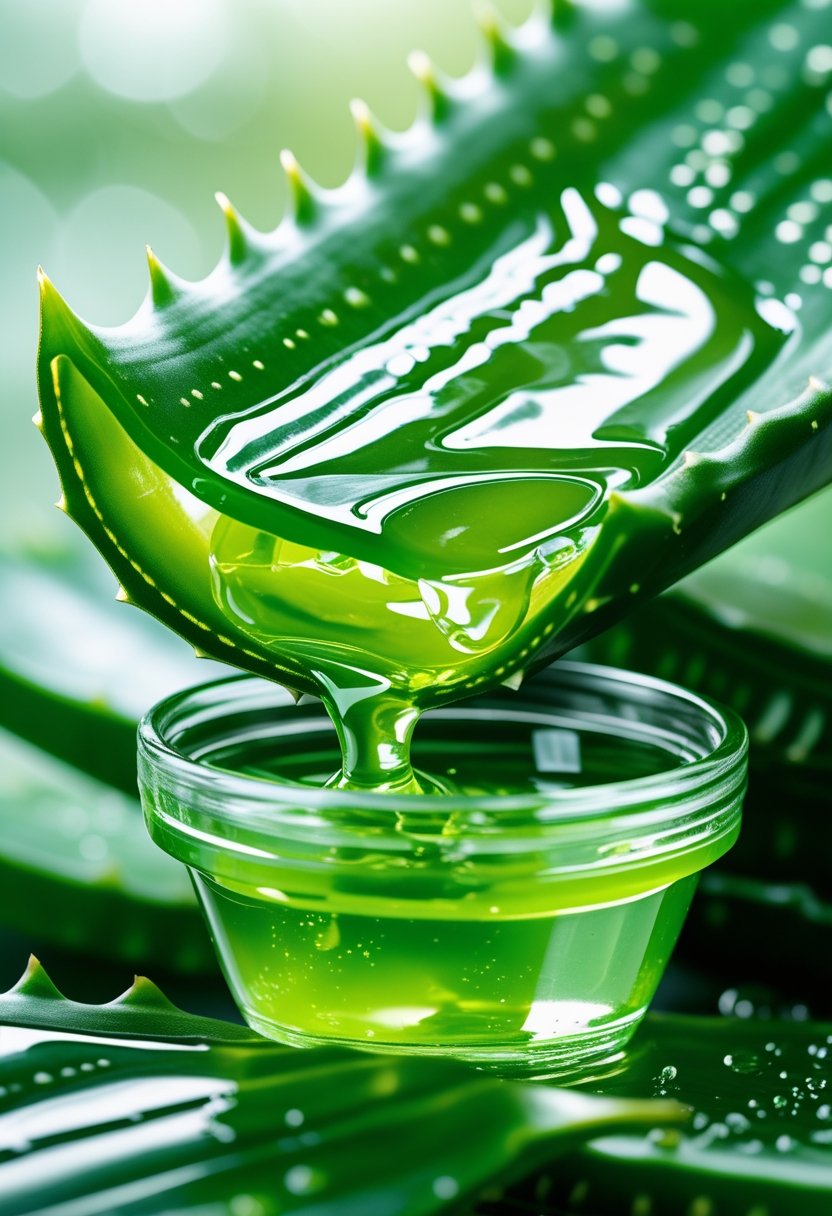
Aloe vera’s soothing and antibacterial properties make it a great option for gum and tooth discomfort.
Use only food-grade aloe gel:
- Apply to the affected area
- Rub gently to reduce swelling
It also promotes gum healing.
13. Onion
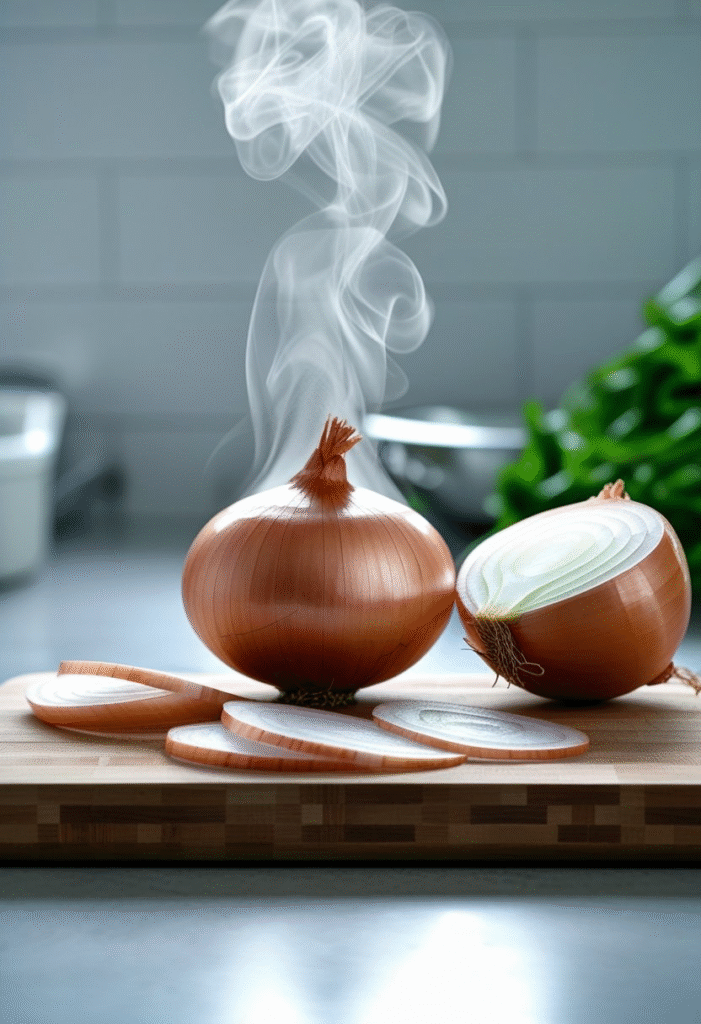
Like garlic, onions contain strong antimicrobial compounds.
How to use:
- Cut a piece of raw onion
- Place it directly on the affected tooth
- Chew on it slightly if comfortable
Onions help eliminate harmful bacteria causing pain.
14. Baking Soda Rinse
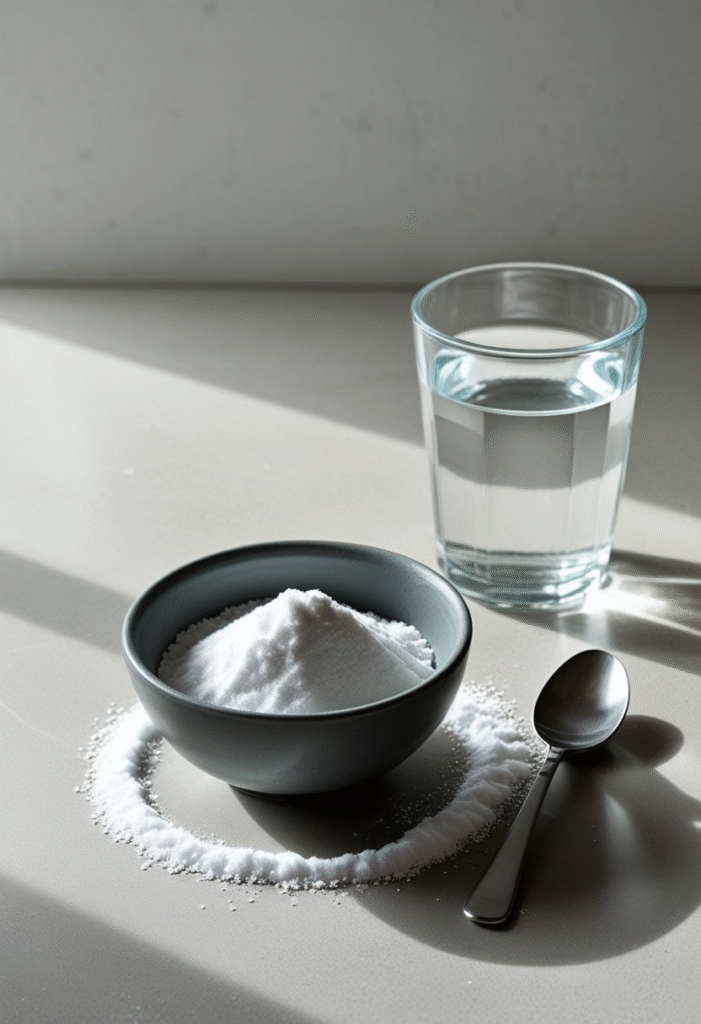
Baking soda neutralizes acids and reduces bacteria.
Steps:
- Mix ½ teaspoon baking soda in warm water
- Swish for 20–30 seconds
- Repeat twice daily
It helps reduce inflammation, especially for gum-related pain.
15. Salt and Pepper Paste
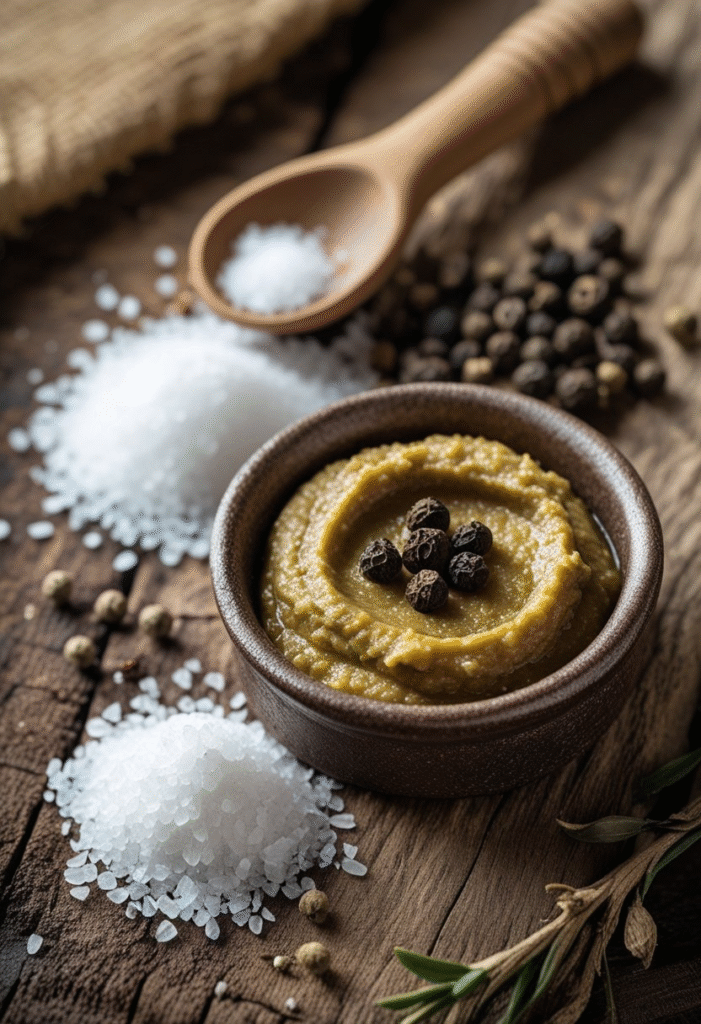
A traditional home remedy that offers quick relief.
Mix:
- Equal parts salt and black pepper
- Add a few drops of water to form a paste
- Apply directly to the sore spot
Both ingredients have antibacterial and anti-inflammatory effects.
16. Essential Oil Steam

Inhaling steam with essential oils like eucalyptus or peppermint can help when toothache is linked to sinus pressure.
How to do it:
- Boil water
- Add a few drops of essential oil
- Inhale steam for 10 minutes
This clears sinus congestion and reduces pressure-related tooth pain.
17. Elevating Your Head

When lying down, blood flows more to the head, increasing pressure and intensifying tooth pain.
Try:
- Sleeping with an extra pillow
- Resting in a semi-upright position
This simple method can make nighttime pain more manageable.
When to See a Dentist: Don’t Delay
Although home remedies can provide temporary relief, toothaches rarely disappear on their own. Ignoring pain can allow the underlying cause—like an infection or cavity—to worsen.
Seek immediate dental care if you experience:
- Severe or ongoing pain lasting more than 48 hours
- Swelling in the face or gums
- Fever
- Difficulty swallowing or breathing
- A foul taste or smell in the mouth
- Signs of abscess (pus, swelling, throbbing pain)
These symptoms may indicate a serious condition needing urgent professional treatment.
Preventing Future Toothaches
Prevention is the best way to avoid painful dental emergencies.
Follow these daily habits:
- Brush twice a day with fluoride toothpaste
- Floss daily
- Use antibacterial mouthwash
- Limit sugary and acidic foods
- Stay hydrated
- Schedule dental checkups twice a year
Good oral hygiene protects your teeth and gums from the bacteria that lead to decay and infection.
Final Thoughts
Toothaches are uncomfortable and often alarming, but there are many natural ways to manage the pain before you can see a dentist. These home solutions—from saltwater rinses to herbal treatments—provide temporary calming effects, reduce inflammation, and fight bacterial activity. Still, remember that these remedies do not treat the root cause. Professional dental care is essential for lasting relief and long-term oral health.
